Construction and renovation projects are common throughout Manhattan, but many property owners focus only on protecting buildings while overlooking one of their most valuable assets—their trees. Heavy equipment, soil compaction, and excavation can seriously damage tree roots, even if the trunk and branches appear untouched. Protecting the root zone during construction helps preserve tree health, prevent future hazards, and avoid costly tree removal.
Why Tree Roots Matter
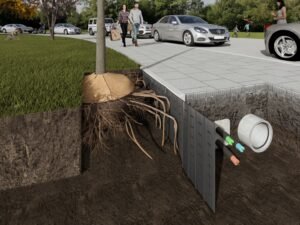
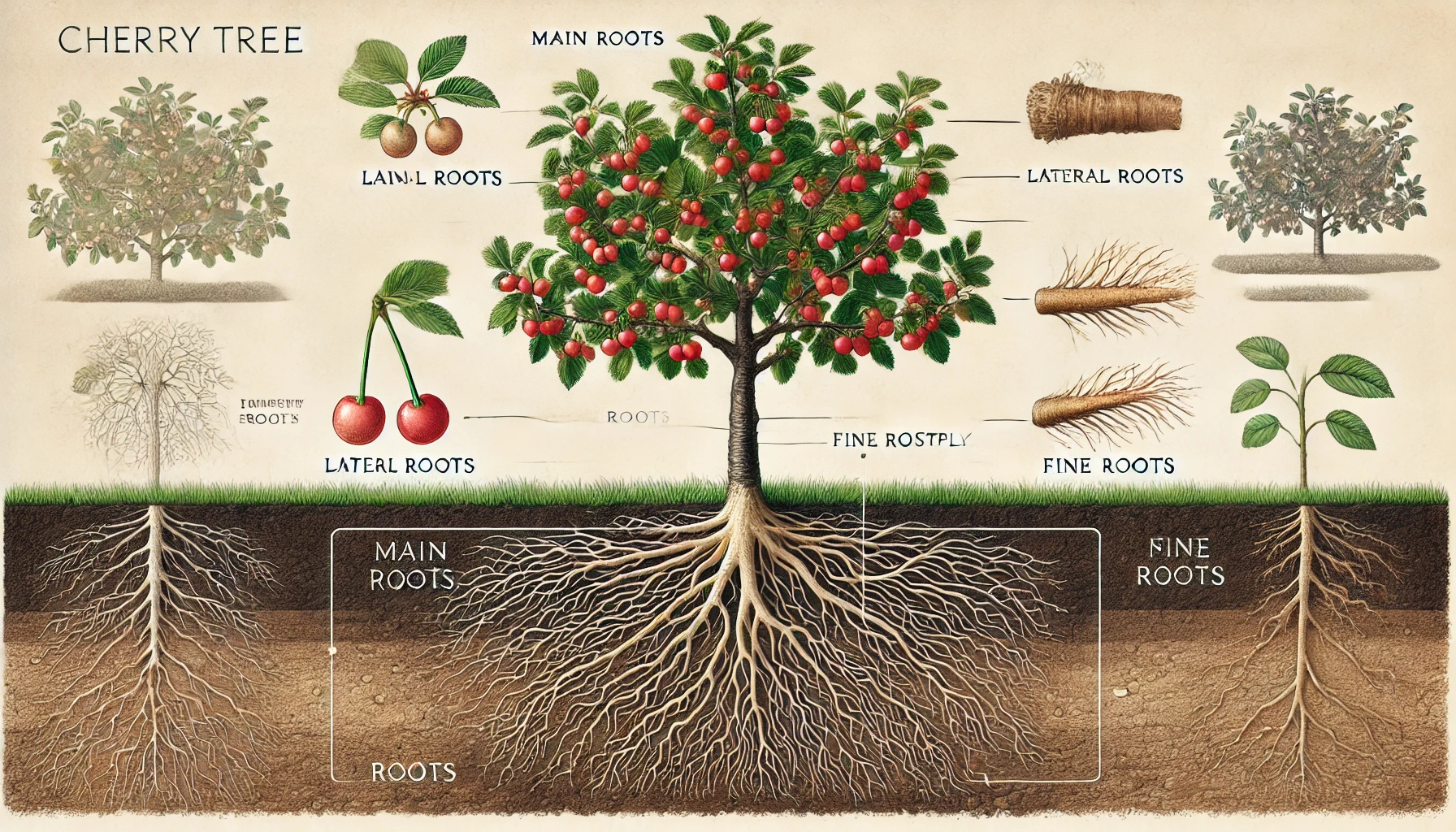
A tree’s root system does much more than anchor it to the ground. Roots absorb water and nutrients, store energy, and provide the stability needed to withstand storms and high winds. In urban environments like Manhattan, root systems are already limited by sidewalks, underground utilities, and compacted soil. Construction activities can place even more stress on these trees.
Common Construction Hazards
Even small construction projects can harm nearby trees through:
- Soil compaction from heavy machinery
- Trenching near root systems
- Excavation around the trunk
- Storage of building materials over root zones
- Chemical spills and concrete washout
- Changes in soil drainage
These issues may not show immediate symptoms, but they can weaken a tree over time.
Signs of Root Damage
After construction, damaged trees may begin to show warning signs such as:
- Thinning leaves
- Dead branches
- Slow growth
- Early leaf drop
- Leaning trunks
- Fungal growth near the base
These symptoms often develop months or even years after the initial root damage.
Protect Nearby Structures
Trees with compromised roots become less stable over time. During storms, weakened trees are more likely to fall or lose large limbs, potentially damaging:
- Homes
- Apartment buildings
- Sidewalks
- Vehicles
- Utility lines
- Commercial properties
Preventing root damage is far less expensive than dealing with emergency tree removal or structural repairs.
Best Practices for Root Protection
Professional tree care specialists recommend several protective measures before construction begins:
- Install protective fencing around the tree’s drip line.
- Avoid driving heavy equipment over root zones.
- Minimize excavation near major roots.
- Use air excavation techniques when roots must be exposed.
- Water trees regularly during extended construction projects.
- Schedule inspections before and after construction.
These simple precautions can greatly improve tree survival.
Why Professional Arborists Should Be Involved
Certified arborists understand how construction affects tree biology and can work alongside contractors to create tree protection plans. They evaluate root zones, recommend safe excavation methods, and monitor tree health throughout the project to reduce long-term damage. Manhattan Tree Care emphasizes professional arborist services, tree care, pruning, removal, and long-term tree health management for urban properties.
Conclusion
Construction projects don’t have to come at the expense of healthy trees. By protecting root systems before work begins, property owners can preserve mature trees, reduce future safety risks, and maintain the beauty and value of their landscape. Investing in professional tree protection today helps ensure your trees continue thriving long after construction is complete.