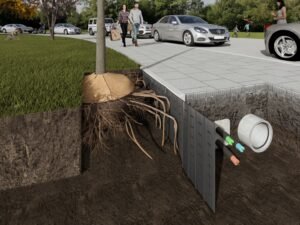
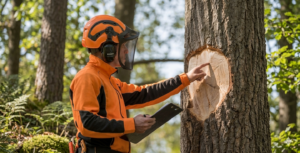
Trees do much more than beautify city streets and residential properties—they play a vital role in improving air quality and creating healthier communities. In densely populated areas like Manhattan, trees help filter pollutants, reduce heat, and provide cleaner air for residents. However, to continue delivering these environmental benefits, trees require regular professional care and maintenance.
Trees Naturally Filter Air Pollutants
Urban trees act as natural air filters by trapping dust, smoke, and airborne particles on their leaves. They also absorb harmful gases such as carbon dioxide while releasing oxygen back into the atmosphere.
Healthy trees help reduce:
- Dust particles
- Airborne pollutants
- Carbon dioxide
- Urban heat
- Noise pollution
Properly maintained trees perform these functions more efficiently throughout the year.
Reduce the Urban Heat Island Effect
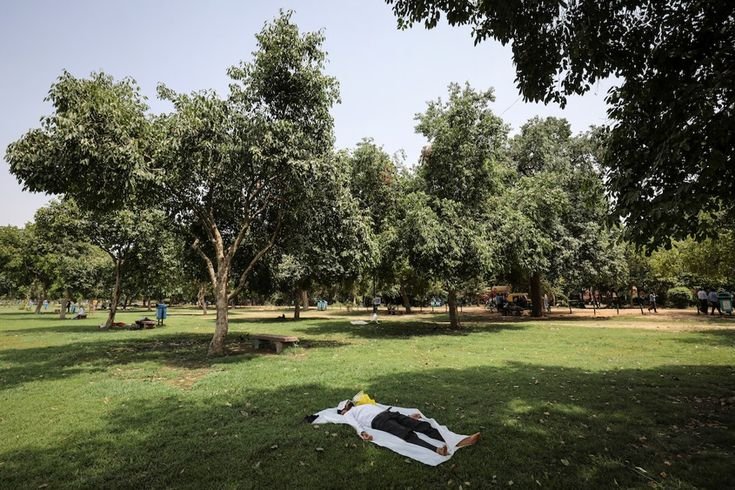
Concrete buildings, roads, and sidewalks absorb and retain heat, making cities significantly warmer than surrounding areas. Large shade trees help cool neighborhoods by blocking direct sunlight and releasing moisture through transpiration.
Lower temperatures improve outdoor comfort while reducing the demand for air conditioning during the summer.
Improve Public Health
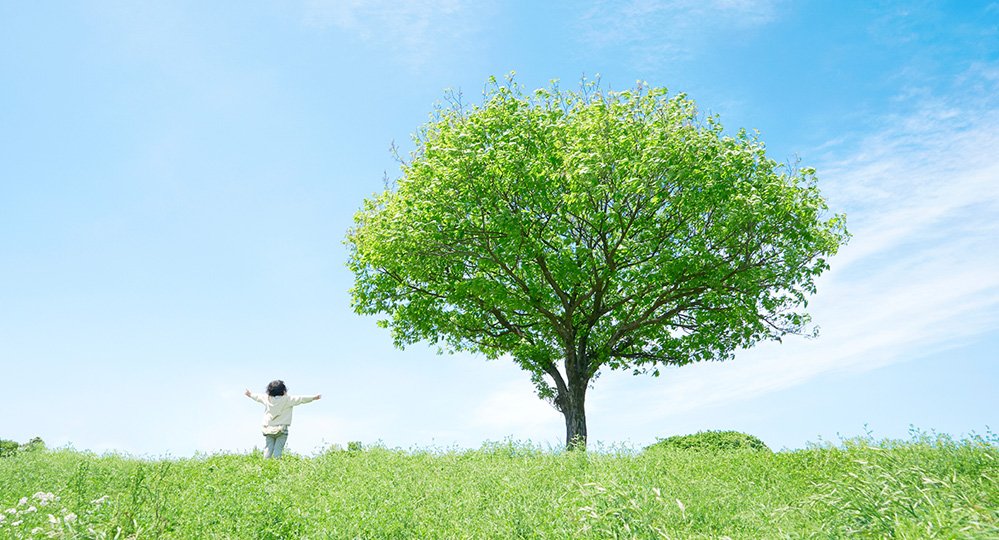
Cleaner air benefits everyone, especially children, older adults, and individuals with respiratory conditions. Healthy urban trees contribute to improved air quality by reducing airborne contaminants and increasing oxygen production.
Well-maintained green spaces also encourage outdoor activities and support overall well-being.
Support Local Wildlife
Trees provide food and shelter for birds, squirrels, butterflies, and beneficial insects. A healthy urban canopy creates a more balanced ecosystem while increasing biodiversity throughout the community.
Professional tree care helps preserve these habitats by maintaining tree health and preventing disease.
Prevent Premature Tree Loss
Without routine maintenance, urban trees face challenges such as compacted soil, pollution, limited root space, and storm damage. Professional tree care helps address these issues through:
- Regular inspections
- Structural pruning
- Disease management
- Soil improvement
- Dead branch removal
- Preventive maintenance
These services help trees remain healthy despite difficult urban growing conditions.
Protect Property and Infrastructure
Healthy trees provide environmental benefits without becoming safety hazards. Routine pruning removes weak branches, while inspections identify structural problems before they threaten nearby buildings, vehicles, or pedestrians.
Preventive maintenance protects both people and property.
Long-Term Benefits of Professional Tree Care
Investing in regular tree maintenance offers lasting advantages:
- Cleaner air
- Healthier trees
- Better storm resistance
- Increased property value
- Enhanced curb appeal
- Improved energy efficiency
- Longer tree lifespan
Healthy trees continue serving the community for decades when properly maintained.
Why Hire Professional Tree Care Specialists?
Urban tree care requires specialized knowledge of tree biology, city growing conditions, and proper pruning techniques. Professional arborists understand how to preserve mature trees while minimizing risks to surrounding structures and public spaces.
Regular inspections and expert maintenance ensure trees remain healthy, attractive, and safe throughout every season.
Conclusion
Urban trees are one of the most valuable natural resources in any city. They improve air quality, reduce heat, support wildlife, and enhance the beauty of neighborhoods. With regular professional tree care, these valuable trees can continue providing environmental, economic, and aesthetic benefits for generations while creating healthier and more sustainable urban communities.