
How Climate Change Is Affecting Urban Trees and What Property Owners Can Do
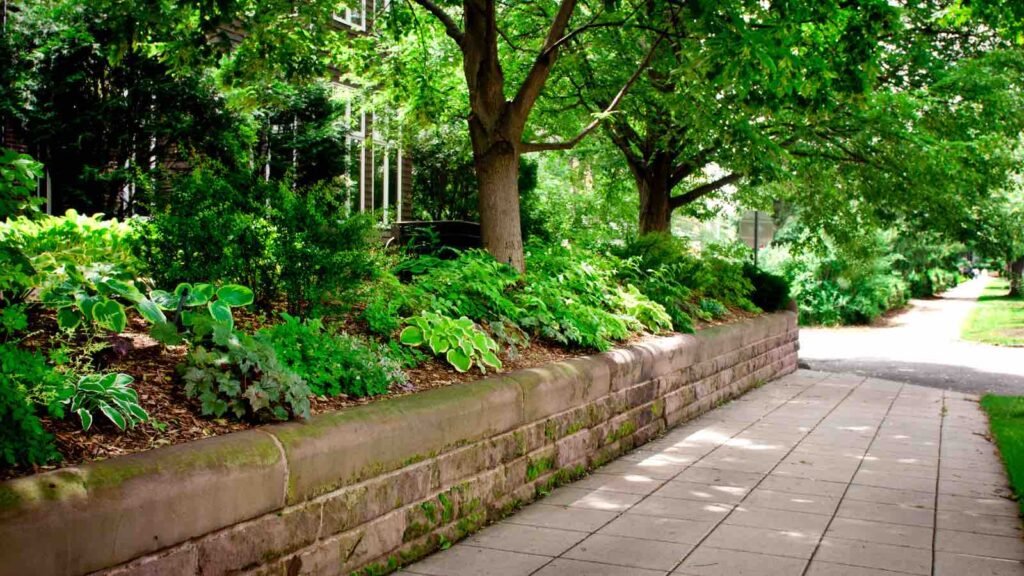
Urban trees are facing increasing challenges as climate patterns continue to change. Rising temperatures, stronger storms, prolonged droughts, and unpredictable weather place added stress on trees growing in cities. Understanding how climate change affects tree health allows property owners to take proactive steps that protect their landscapes and extend the life of valuable trees. Rising Temperatures Increase Tree Stress Extended periods of hot weather force trees to use more water to stay healthy. In urban areas, heat reflected from buildings, sidewalks, and roads makes conditions even more challenging. Signs of heat stress include: Wilting leaves Early leaf drop Scorched leaf edges Slow growth Thinning canopies Regular monitoring helps identify these issues before permanent damage occurs. Stronger Storms Create Greater Risks More frequent storms and high winds increase the likelihood of broken branches and uprooted trees. Trees with weak structures or hidden decay are especially vulnerable during severe weather. Routine pruning and inspections improve stability and reduce storm-related hazards. Drought Weakens Root Systems Long periods without adequate rainfall limit the amount of water available to tree roots. As drought continues, trees become more susceptible to disease, insect infestations, and branch dieback. Proper watering and soil management help trees survive dry conditions. New Pests and Diseases Are Emerging Changing temperatures allow certain insects and plant diseases to spread into areas where they were previously uncommon. Trees already stressed by weather are less capable of defending themselves against these new threats. Professional inspections can detect early signs of pest activity before widespread damage occurs. Healthy Trees Are More Resilient Preventive tree care strengthens trees so they can better adapt to changing environmental conditions. Regular maintenance includes: Structural pruning Dead branch removal Soil improvement Mulching Tree health inspections Disease monitoring Healthy trees recover more quickly after storms and periods of environmental stress. Protect Property from Climate-Related Damage As weather becomes more unpredictable, proactive tree care helps reduce the risk of falling branches, uprooted trees, and property damage. Preventive maintenance is often much less expensive than emergency tree removal and structural repairs. Preparing trees before extreme weather benefits both homeowners and their landscapes. Long-Term Benefits of Climate-Smart Tree Care Investing in regular maintenance provides lasting advantages: Stronger tree structure Improved storm resistance Reduced pest problems Healthier root systems Longer tree lifespan Better curb appeal Lower maintenance costs Healthy trees are better equipped to adapt to changing environmental conditions. Why Professional Tree Care Matters Tree care professionals understand how climate-related stress affects different tree species. They can recommend customized maintenance plans that improve tree health, identify hazards early, and help landscapes remain resilient despite changing weather patterns. Conclusion Climate change is creating new challenges for urban trees, but proactive care can make a significant difference. Through regular inspections, proper pruning, healthy soil management, and preventive maintenance, property owners can protect their trees from environmental stress while preserving the beauty, safety, and value of their landscape for years to come.
Why Young Tree Training Is Essential for Healthy Growth and Long-Term Stability
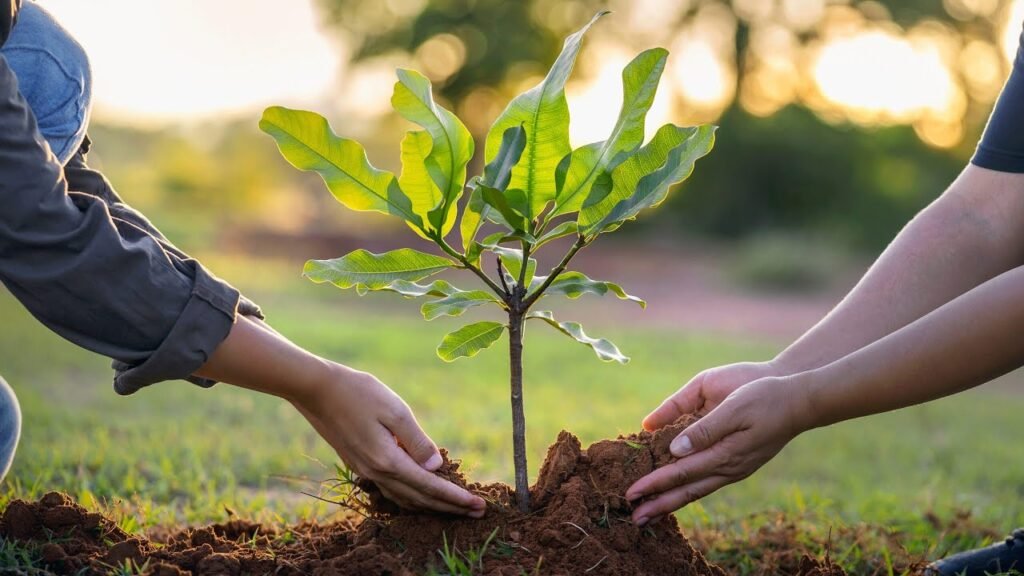
Many property owners focus on caring for mature trees, but the early years of a tree’s life are the most important for its future health. Young tree training involves strategic pruning and structural guidance that helps trees develop strong branch attachments, balanced canopies, and healthy growth patterns. Investing in early tree care can prevent costly problems as the tree matures. Build a Strong Tree Structure Young trees naturally produce multiple branches that compete for dominance. Without proper pruning, weak branch attachments and uneven growth can develop over time. Structural training helps establish: A strong central leader Well-spaced branches Balanced canopy growth Better weight distribution A properly trained tree is more stable throughout its life. Reduce Future Safety Hazards Many tree failures occur because structural defects developed when the tree was young. Branches with poor attachment angles are more likely to split as they become larger and heavier. Early corrective pruning reduces the need for major pruning or removal later in the tree’s life. Encourage Faster, Healthier Growth Professional pruning removes competing branches that waste energy. This allows the tree to direct nutrients toward healthy growth and stronger root development. Young trees that receive proper care typically establish themselves faster and become healthier mature trees. Improve Storm Resistance Trees with balanced branch structures are better able to withstand strong winds and heavy snow. Proper training reduces uneven weight distribution that often causes branches to fail during severe weather. Preventive care increases the tree’s long-term resilience. Minimize Future Maintenance Costs Correcting structural problems while branches are still small is much easier and less expensive than removing large limbs years later. Routine maintenance during a tree’s early years helps reduce: Major pruning costs Storm damage repairs Emergency tree services Premature tree removal Early investment leads to long-term savings. Enhance Landscape Appearance Well-trained trees develop attractive, natural shapes that complement residential and commercial landscapes. Balanced growth improves curb appeal while creating more shade and visual appeal as the tree matures. Healthy trees become valuable landscape features for decades. Common Mistakes to Avoid Young trees can suffer long-term damage from improper care. Homeowners should avoid: Removing too many branches at once Topping young trees Ignoring crossing branches Allowing multiple trunks to develop Delaying structural pruning for several years Professional guidance helps prevent these common mistakes. Why Professional Tree Care Is Important Tree specialists understand how different tree species grow and know when and where to make proper pruning cuts. Their experience helps young trees develop strong structures while minimizing stress and encouraging healthy growth. Professional care ensures trees remain safe, beautiful, and resilient throughout their lifespan. Conclusion Young tree training is one of the best investments you can make in your landscape. By encouraging proper structure, improving storm resistance, reducing future maintenance, and promoting healthy growth, early tree care lays the foundation for strong, beautiful trees that will enhance your property for generations.
Why Soil Health Is the Foundation of Strong and Healthy Trees
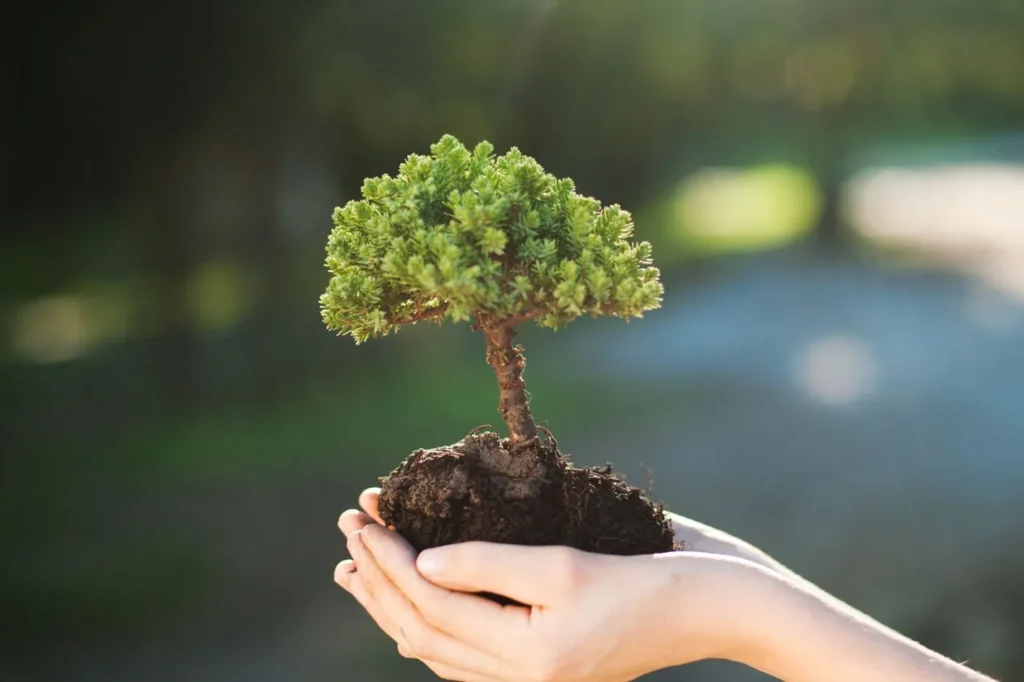
When homeowners think about tree care, they often focus on pruning, trimming, or removing dead branches. However, one of the most important factors in a tree’s health lies underground. Healthy soil provides the nutrients, water, and oxygen that trees need to thrive. Without proper soil conditions, even the healthiest-looking trees can become weak, stressed, and vulnerable to disease. Healthy Soil Supports Strong Root Systems Tree roots rely on nutrient-rich, well-drained soil to grow and anchor the tree securely. Strong roots allow trees to absorb essential minerals while remaining stable during high winds and severe weather. Healthy roots also help trees recover more quickly from drought, storms, and seasonal changes. Soil Compaction Can Harm Trees In urban environments, soil often becomes compacted due to foot traffic, vehicles, and construction activities. Compacted soil limits the movement of air and water, making it difficult for roots to grow properly. Common causes of soil compaction include: Heavy equipment Frequent pedestrian traffic Parking near trees Construction projects Poor drainage Professional tree care can help identify and correct these issues before permanent damage occurs. Proper Drainage Is Essential Too much or too little water can both damage a tree’s root system. Poor drainage may cause roots to rot, while dry soil can limit nutrient absorption and slow growth. A professional evaluation helps determine whether drainage improvements or soil treatments are needed to maintain healthy trees. Nutrient Deficiencies Affect Tree Growth Trees require a balanced supply of nutrients to develop healthy leaves, branches, and roots. When soil lacks essential minerals, trees may show signs such as: Yellowing leaves Slow growth Thin canopies Dead branch tips Early leaf drop Soil testing helps identify nutrient deficiencies and allows professionals to recommend the right treatments. Mulching Helps Protect the Root Zone Applying mulch around the base of a tree helps regulate soil temperature, retain moisture, and reduce weed growth. Organic mulch also improves soil quality as it breaks down naturally. For best results, mulch should be spread evenly while keeping it several inches away from the trunk to prevent moisture-related problems. Healthy Soil Improves Tree Longevity Trees growing in healthy soil are better equipped to resist: Disease Insect infestations Storm damage Drought stress Temperature extremes Proper soil management helps extend the lifespan of both young and mature trees. Why Professional Soil Care Matters Tree care professionals understand how soil conditions affect long-term tree health. Through inspections, soil testing, aeration, mulching, and nutrient management, they can create customized care plans that promote healthy root development and stronger trees. Preventive soil care is one of the most effective ways to reduce future tree problems. Conclusion Healthy soil is the foundation of every healthy tree. By maintaining proper soil conditions, improving drainage, reducing compaction, and supplying essential nutrients, homeowners can encourage stronger root systems and longer-lasting trees. Investing in professional soil care helps protect your landscape, improve tree health, and ensure your trees continue to thrive for generations.
How Urban Trees Improve Air Quality and Why Professional Tree Care Matters
Trees do much more than beautify city streets and residential properties—they play a vital role in improving air quality and creating healthier communities. In densely populated areas like Manhattan, trees help filter pollutants, reduce heat, and provide cleaner air for residents. However, to continue delivering these environmental benefits, trees require regular professional care and maintenance. Trees Naturally Filter Air Pollutants Urban trees act as natural air filters by trapping dust, smoke, and airborne particles on their leaves. They also absorb harmful gases such as carbon dioxide while releasing oxygen back into the atmosphere. Healthy trees help reduce: Dust particles Airborne pollutants Carbon dioxide Urban heat Noise pollution Properly maintained trees perform these functions more efficiently throughout the year. Reduce the Urban Heat Island Effect Concrete buildings, roads, and sidewalks absorb and retain heat, making cities significantly warmer than surrounding areas. Large shade trees help cool neighborhoods by blocking direct sunlight and releasing moisture through transpiration. Lower temperatures improve outdoor comfort while reducing the demand for air conditioning during the summer. Improve Public Health Cleaner air benefits everyone, especially children, older adults, and individuals with respiratory conditions. Healthy urban trees contribute to improved air quality by reducing airborne contaminants and increasing oxygen production. Well-maintained green spaces also encourage outdoor activities and support overall well-being. Support Local Wildlife Trees provide food and shelter for birds, squirrels, butterflies, and beneficial insects. A healthy urban canopy creates a more balanced ecosystem while increasing biodiversity throughout the community. Professional tree care helps preserve these habitats by maintaining tree health and preventing disease. Prevent Premature Tree Loss Without routine maintenance, urban trees face challenges such as compacted soil, pollution, limited root space, and storm damage. Professional tree care helps address these issues through: Regular inspections Structural pruning Disease management Soil improvement Dead branch removal Preventive maintenance These services help trees remain healthy despite difficult urban growing conditions. Protect Property and Infrastructure Healthy trees provide environmental benefits without becoming safety hazards. Routine pruning removes weak branches, while inspections identify structural problems before they threaten nearby buildings, vehicles, or pedestrians. Preventive maintenance protects both people and property. Long-Term Benefits of Professional Tree Care Investing in regular tree maintenance offers lasting advantages: Cleaner air Healthier trees Better storm resistance Increased property value Enhanced curb appeal Improved energy efficiency Longer tree lifespan Healthy trees continue serving the community for decades when properly maintained. Why Hire Professional Tree Care Specialists? Urban tree care requires specialized knowledge of tree biology, city growing conditions, and proper pruning techniques. Professional arborists understand how to preserve mature trees while minimizing risks to surrounding structures and public spaces. Regular inspections and expert maintenance ensure trees remain healthy, attractive, and safe throughout every season. Conclusion Urban trees are one of the most valuable natural resources in any city. They improve air quality, reduce heat, support wildlife, and enhance the beauty of neighborhoods. With regular professional tree care, these valuable trees can continue providing environmental, economic, and aesthetic benefits for generations while creating healthier and more sustainable urban communities.
Why Root Zone Protection Is Essential During Construction Projects in Manhattan
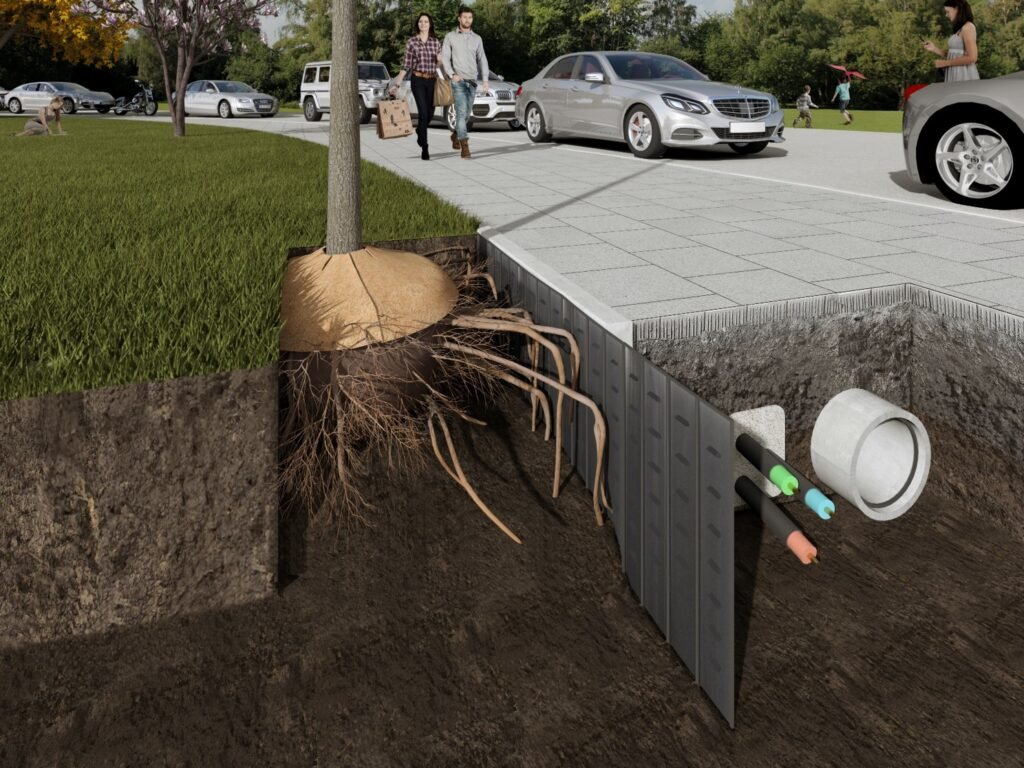
Construction and renovation projects are common throughout Manhattan, but many property owners focus only on protecting buildings while overlooking one of their most valuable assets—their trees. Heavy equipment, soil compaction, and excavation can seriously damage tree roots, even if the trunk and branches appear untouched. Protecting the root zone during construction helps preserve tree health, prevent future hazards, and avoid costly tree removal. Why Tree Roots Matter A tree’s root system does much more than anchor it to the ground. Roots absorb water and nutrients, store energy, and provide the stability needed to withstand storms and high winds. In urban environments like Manhattan, root systems are already limited by sidewalks, underground utilities, and compacted soil. Construction activities can place even more stress on these trees. Common Construction Hazards Even small construction projects can harm nearby trees through: Soil compaction from heavy machinery Trenching near root systems Excavation around the trunk Storage of building materials over root zones Chemical spills and concrete washout Changes in soil drainage These issues may not show immediate symptoms, but they can weaken a tree over time. Signs of Root Damage After construction, damaged trees may begin to show warning signs such as: Thinning leaves Dead branches Slow growth Early leaf drop Leaning trunks Fungal growth near the base These symptoms often develop months or even years after the initial root damage. Protect Nearby Structures Trees with compromised roots become less stable over time. During storms, weakened trees are more likely to fall or lose large limbs, potentially damaging: Homes Apartment buildings Sidewalks Vehicles Utility lines Commercial properties Preventing root damage is far less expensive than dealing with emergency tree removal or structural repairs. Best Practices for Root Protection Professional tree care specialists recommend several protective measures before construction begins: Install protective fencing around the tree’s drip line. Avoid driving heavy equipment over root zones. Minimize excavation near major roots. Use air excavation techniques when roots must be exposed. Water trees regularly during extended construction projects. Schedule inspections before and after construction. These simple precautions can greatly improve tree survival. Why Professional Arborists Should Be Involved Certified arborists understand how construction affects tree biology and can work alongside contractors to create tree protection plans. They evaluate root zones, recommend safe excavation methods, and monitor tree health throughout the project to reduce long-term damage. Manhattan Tree Care emphasizes professional arborist services, tree care, pruning, removal, and long-term tree health management for urban properties. Conclusion Construction projects don’t have to come at the expense of healthy trees. By protecting root systems before work begins, property owners can preserve mature trees, reduce future safety risks, and maintain the beauty and value of their landscape. Investing in professional tree protection today helps ensure your trees continue thriving long after construction is complete.
Do I Need a Certified Arborist or a Tree Removal Service in Manhattan?
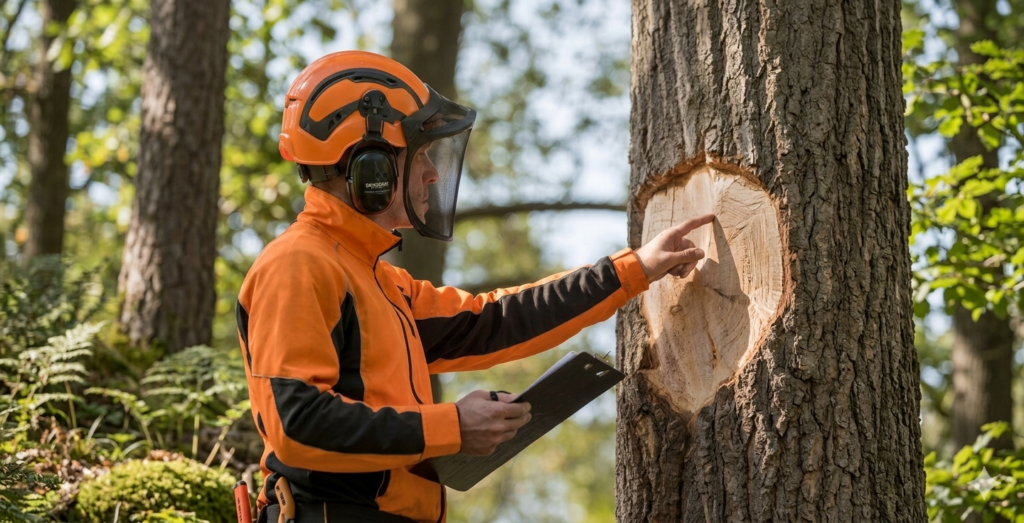
Quick answer: If your tree needs diagnosis, health assessment, or long-term care planning, you need a certified arborist. If you have a tree that needs to be removed, pruned for safety reasons or has storm damage, you will need a tree removal service. An arborist advises you of the problem and if the tree is salvageable, a removal service does the actual job. Many Manhattan properties require both, and often the same company, because the two are often intertwined on the same project, particularly if permits for the city require the arborist’s assessment before removal. However, it is important to understand that there are differences and hiring the wrong professional to do the wrong job can result in wasted time, money and, in some cases, the loss of the tree. What Is a Certified Arborist, Exactly? A certified arborist is a tree care specialist who has taken a series of intensive exams, usually administered by the International Society of Arboriculture (ISA), that includes thorough testing on tree biology, soil science, disease and pest identification and tree structural hazard analysis. The certification is not given as a formality. It’s a result of years of study and training regarding the growth, decline, and treatment of trees, which is why arborists are the experts to consult when asking, “What’s wrong with this tree?” not “Get this tree off my property. Certified arborists also have an important role to play in dealing with regulations of the NYC Parks Department because removal or extensive pruning of a tree in Manhattan, especially street trees or trees on landmarked property, will likely require a permit and a professional evaluation to apply for it. Many permit applications are put on hold or are outright rejected, as the city normally wants to make sure that there is a documented evaluation by an arborist indicating that removal is necessary, not just convenient. Arborists are also knowledgeable in preventive care beyond diagnosis, soil amendment and fertilization programs and early detection of pests, which can prolong a tree’s healthy life for years if identified early enough. What Does a Tree Removal Service Do? A tree removal service is a service that can be hired to physically remove trees from a property, or to perform services such as stump grinding, emergency storm tree removal, or crane tree removal, which involves accessing a tree that is too difficult to reach with standard equipment. But these crews have all the equipment, rigging systems and heavy machinery necessary to remove a tree safely in the dense and confined setting of Manhattan lots, where a falling limb has very little margin for error. When a tree has been selected for removal, whether by the homeowner, building manager or the arborists advice, it is time to call the removal services. Many removal companies also offer debris hauling and site restoration services, which is important in Manhattan, where there is not enough outdoor space to leave the wood chips or branches until someone can accomplish them. Key Differences Between an Arborist and a Removal Service Certified Arborist Tree Removal Service Diagnoses tree health and disease Executes physical removal Assesses structural risk and stability Handles rigging, cutting, and hauling Recommends treatment or preservation Performs stump grinding and cleanup Supports permit applications Manages storm emergency response Focuses on long-term tree care Focuses on immediate site resolution The clearest way to think about it: an arborist answers the question of whether a tree should be treated, pruned, or removed, while a removal service handles the how once that decision is made. When You Need a Certified Arborist You need an arborist if your tree shows signs of decline without an obvious cause. Lack of vigor, decline of color, bark texture and slow growth all are signs that should not be guessed, but diagnosed by a trained individual. An arborist can determine if the problem is due to root compaction, fungal diseases, insect infestation such as Asian longhorned beetles or just environmental factors common to Manhattan’s compacted urban soil. If you are considering new construction or alterations in the vicinity of trees, you should hire an arborist. Excavation and grading operations can cause damage to root systems and an arborist can recommend root protection zones to prevent any damage to valuable trees during a construction project. Perhaps most importantly, when a foundation or basement is being repaired, as might be the case with Manhattan townhouses or brownstones, root damage may not be noticed until months later when the tree starts to show signs of decline. You need an arborist if you want a second opinion before removal. When making the decision on whether to remove a tree or attempt cabling, bracing, or treatment, the arborist’s assessment provides an unbiased view of whether or not the tree can be saved. This is especially helpful when the trees are older and established and contribute a lot to the value of a property and cannot simply be substituted. You need an arborist for routine health monitoring. Much like a checkup, property owners with mature trees and historically significant trees have arborists visit their properties annually or even every other year, to identify any potential issues early on and avoid having to deal with costly emergency services. When You Need a Tree Removal Service If a tree is dead, dying or obviously dangerous a removal service is necessary. Once the diagnosis is complete, regardless of cause of death (disease, storm or old age), the emphasis is then placed on tree removal that is safe and meets the code. A removal service is needed when a storm causes some damage to you. Sudden failure and splitting of tree limbs or trunks are frequently caused by high winds and heavy snow throughout Manhattan, and a removal crew can quickly respond to remove hazards that may cause injury or property damage. Here, the time it takes to respond matters, a tree that is compromised but not removed after a storm is often at even greater risk
Tree Specialists | Professional Removal, Trimming & Stump Grinding
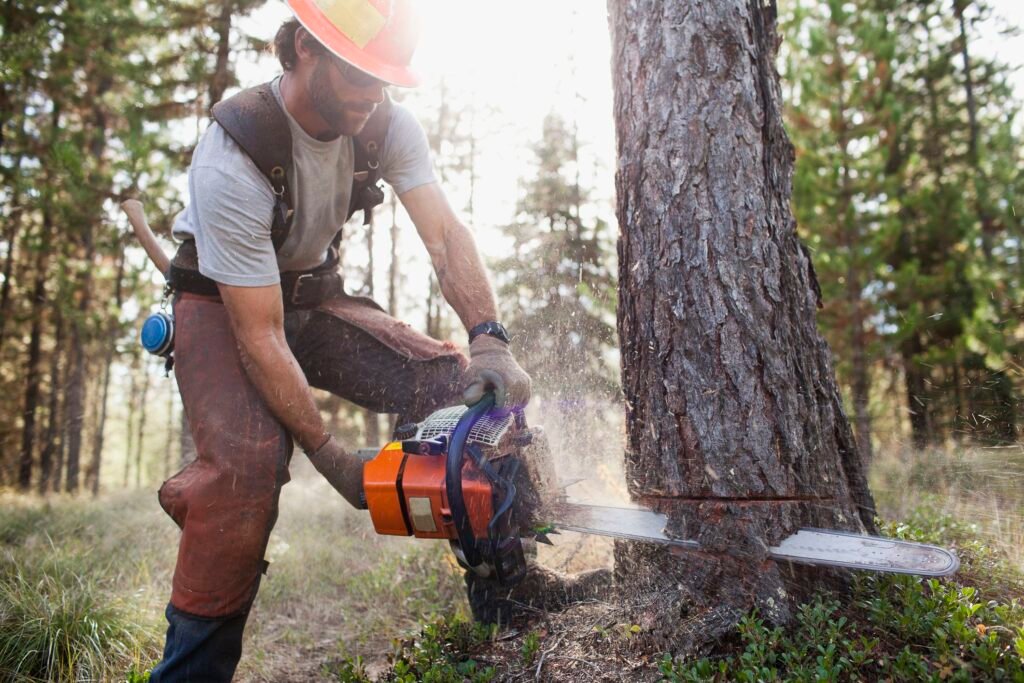
In today’s modern and advanced times, where construction projects, housing developments and commercial developments are quickly increasing, the importance of trees has also grown greatly. Still, simply planting trees is not enough; their proper maintenance, trimming and when required, removal are equally important. In a busy area like the Bronx, where space is limited and safety concerns are high, the role of expert tree specialists becomes even more critical and important. Tree care is a sensitive plan that requires knowledge, experience and proper tools. That is why a skilled company like Manhattan Tree Care plays an important role in providing reliable solutions in the Bronx, managing tree removal, trimming and stump grinding in a safe and effective manner. The Real Role of Tree Specialists: Tree specialists are trained and expert professionals who have the ability to understand the health, structure and safety of trees. They do not simply cut branches or remove trees; instead, they perform a detailed survey of every tree’s condition. In a city area like the Bronx, every tree has a different location, nearby structures and environmental conditions, which is why every situation must be managed carefully. The specialists at Manhattan Tree Care work with modern and advanced training and updated processes. They examine everything from the roots to the top branches of a tree. Their focus is not only on solving problems immediately but also on maintaining long-lasting safety and tree health. The Importance of Professional Tree Removal: Tree removal is a method that is commonly reviewed as a last option, but in some situations, it becomes required. Dead trees, diseased trees or those that may cause structural damage must be removed for safety reasons. In areas like the Bronx, where houses and roads are very close together, a falling tree can cause serious and severe damage. Manhattan Tree Care manages tree removal very carefully and skillfully. They first conduct a detailed survey of the tree and then create the safest removal plan. During this method, the safety of the nearby property and people is the top priority. Professional removal helps avoid unnecessary risks and dangers that can happen with unskilled work. The Benefits and Need for Tree Trimming: Tree trimming is a regular maintenance method that is important for both the health and appearance of trees. When branches grow unmanageably, they not only look unattractive but can also pose risks to power lines, buildings and pathways. Manhattan Tree Care uses proper trimming methods to maintain the natural shape of trees. They do not just remove excess branches; they also identify and safely cut weak, dead or diseased branches. This helps the tree remain healthy and supports balanced growth. In an area like the Bronx, where aesthetic value matters, trimming also improves the overall look and beauty of properties. The Method and Importance of Stump Grinding: When a tree is removed, its stump debris remains in the ground, which can create many severe problems. It not only looks unpleasant but can also become a breeding ground for insects and pests. Also, it can be a difficulty for lawns or walkways. Manhattan Tree Care provides a useful solution with stump grinding. This method uses specialized machines to grind the stump below ground level. As a result, the area becomes clean and ready for future landscaping. Expert stump grinding improves both the look and safety of the space. Challenges of Tree Services in City Areas: Providing tree services in a city area like the Bronx is not an easy task and plan. Limited space, traffic, nearby structures and underground services and utilities all create challenges. Every step must be carefully and successfully planned to avoid any type of damage or accidents. Manhattan Tree Care understands all these challenges and manages every project with advanced tools and a skilled team. If it is a small housing yard or a large commercial property, they maintain safety and performance in every situation. The Need for Emergency Tree Services: Sometimes, unexpected situations such as storms, strong winds or accidents can cause trees to fall or branches to break. In such cases, quick action is required to avoid more damage and injuries. Manhattan Tree Care provides emergency services where their team responds quickly and manages the situation successfully. They safely remove or stabilize damaged trees to secure the area. These services are especially valuable in busy areas like the Bronx, where delays can cause greater damage. Safety Measures and Expert Tools: Tree removal, trimming and stump grinding are all risky processes that can be dangerous if performed without proper training. When untrained persons attempt this work, the risk of accidents and property damage increases. Manhattan Tree Care uses modern or advanced tools and follows strict safety rules. Their team wears protective suits and carefully or skillfully performs every step. This guarantees that the work is completed safely and successfully, with a skilled method that guarantees smooth and useful project management. Eco-Friendly Tree Care Process: Today, there is a strong focus on environmental protection and tree services are also following this trend. An eco-friendly method means using methods that do not harm the environment. Manhattan Tree Care adopts maintainable practices such as minimizing waste, recycling materials and using eco-friendly treatments. They guarantee that their work does not negatively impact the environment while maintaining natural balance. This method is very valued by modern clients. Solutions for Residential and Commercial Customers: The demand for tree services is not limited to residential areas; it is equally important for commercial properties. Every customer has different needs and requires customized and personalized options. Manhattan Tree Care provides services for both kinds of customers. For residential customers, they focus on beauty and safety, while for commercial customers, they guarantee effective and useful maintenance and an attractive look. This way, every customer receives services fitted to their special requirements. The Concept of Long-Term Tree Maintenance: Tree care is not a one-time task but a long-term process. Regular maintenance keeps trees healthy and reduces the chances of future problems. Manhattan Tree
Bronx Arborist Experts | Professional Tree Care, Pruning & Treatment

In today’s modern and advanced times, where buildings, traffic and pollution are rapidly increasing, the importance of trees has grown even more. In a busy area like the Bronx, greenery is not just decoration but an important element and part that helps maintain environmental balance. Trees purify and clean the air, reduce heat and provide the city with a lively, attractive and fresh feel. Still, keeping trees healthy and strong is not a simple task and plan. It requires professional arborists who can provide proper care, trimming and treatment. This is where a skilled company like Manhattan Tree Care plays a very important role by providing expert-level tree services in the Bronx. What is the Role of Arborist Experts: Arborist experts are professionals who deeply and sincerely understand the science of trees and their health. They are not just people who cut branches; better, they are trained specialists who examine every tree’s condition, age, diseases and growth patterns. In areas like the Bronx, where every tree grows in a different environment, only an expert arborist can detect what type of care a specific tree needs. The arborists at Manhattan Tree Care work with the latest and most modern techniques and updated knowledge. They not only solve existing problems but also help avoid future issues. This guarantees that trees live longer and maintain their beauty. Importance of Professional Tree Care: Tree care is a continuous method and cannot be completed with a one-time effort. Trees require regular survey, watering, fertilizing and disease control. If tree care is ignored, trees become weak and develop diseases that can spread to other trees as well. In housing and commercial areas of the Bronx, professional tree care not only keeps trees healthy but also increases property value. Manhattan Tree Care guarantees that every tree receives care and attention according to its special needs. They consider soil condition, sunlight exposure and water requirements to create customized and personalized care plans. The Real Plan of Tree Trimming and Cutting: Tree cutting and trimming are not just about cutting branches; it is both an art and a science. The main plan of cutting is to improve the tree’s health, maintain its shape and remove dangerous branches. In areas like the Bronx, where storms and strong winds are common, weak branches can fall at any time and cause damage. Experts at Manhattan Tree Care use proper methods such as crown thinning, crown raising and trimming removal. These methods guarantee that the tree remains balanced and grows naturally. Improper trimming and cutting can harm the tree, which is why it is always important to find professional help. Tree Disease Treatment and Protection: Just like humans, trees can also suffer from diseases. Fungal infections, insect attacks and environmental stress can weaken trees. In the Bronx, due to pollution and changing weather conditions, these problems are even more common. Manhattan Tree Care uses advanced diagnostic tools to identify the exact cause of diseases. They then apply proper treatment plans such as insect control, fungicide applications and soil treatments. This not only fixes the trees but also protects them from future diseases. Challenges of Tree Maintenance in City Environments: Maintaining trees in a city environment is not easy. Limited space, construction activities and pollution all affect tree growth. In the Bronx, many trees are planted in areas where they do not receive proper nutrients or where their roots are commonly disturbed. Manhattan Tree Care understands these challenges and provides specialized solutions. They use root care, soil freshening, and proper sprinkling systems to create a healthy environment for trees. This allows trees to remain strong and stable even with city pressures. The Need for Emergency Tree Services: Sometimes, unexpected situations such as storms or accidents damage trees. In such cases, emergency tree services become very important. Falling branches or uprooted trees can damage property and pose serious and critical risks to people. Manhattan Tree Care provides quick response during emergencies. Their expert team and proper tools guarantee that damaged trees are safely removed or stabilized. This reduces the risk of accidents and secures the area. When and Why Tree Removal is Necessary: Not every tree can be saved. In some cases, a tree becomes so damaged or dangerous that removal is the best option. Dead trees, seriously diseased trees or those growing too close to buildings can create serious risks. Manhattan Tree Care considers tree removal as a last resort. They first try every possible solution, but if removal is required, they carry out the method safely and successfully while taking care of the nearby areas’ environment. The Style of Eco-Friendly Tree Services: Today, people are becoming more aware of environmental issues and prefer eco-friendly solutions. Tree care services are also following this trend. In the Bronx, many people select companies that use environmentally friendly practices. Manhattan Tree Care adopts sustainable and maintainable methods such as using organic fertilizers, reducing chemical treatments and proper waste recycling. This method protects the environment while allowing trees to grow naturally. Services for Housing and Commercial Properties: Tree care is not only important for homes but also for offices, parks and commercial areas. Every kind of property has its own special requirements. In housing areas, beauty and safety are important, while in commercial spaces, look and regular maintenance matter more. Manhattan Tree Care provides customized and personalized services for both areas. They work closely with property owners to create plans that match their requirements and budget. The Concept of Seasonal Tree Care: Every season affects trees differently. During winter, trees go inactive, while in spring and summer their growth is at its peak. In the fall, leaves drop and trees prepare for the next growth cycle. Manhattan Tree Care provides seasonal care plans that include trimming, fertilizing and surveys according to every season. This guarantees that trees remain healthy and balanced during the year. Professional Equipment and Safety Measures: Tree care work can be risky and requires proper tools and safety measures. When untrained persons attempt tree
From Sick to Thriving: Real Manhattan Tree Recovery Stories and Lessons Learned
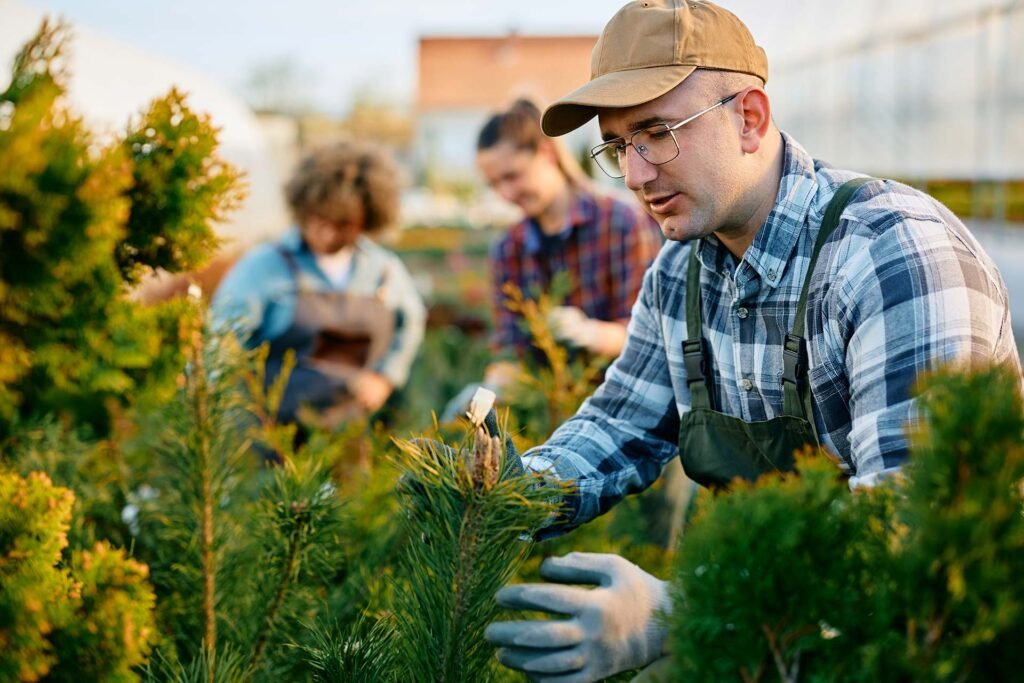
The trees in the heart of Manhattan are put through continuous tests- compacted ground, pollution, root space, storm damage and continuous construction. Although most people think that dying trees have to be cut, professional arborists can tell that salvaging them can be achieved in most cases when there is the proper scientific methodology. Even the most stressed trees can recover their forces and become strong and active again with the help of proper diagnosis, specific treatment, and regular monitoring. The real-life recapture tales of trees prove that professional skills and patience are important. Each tree has a biological history that is determined by environmental factors, practices of care, and exposure of stress. Manhattan Tree Care experts have been able to revive trees that initially seemed dead through the application of established arboricultural methods to save them. These success stories can help in providing useful lessons to the property owners who wish to defend and maintain their landscapes. Case Study One: Reviving a Declining Street Tree One of the London plane trees that grew on a busy Manhattan sidewalk started to exhibit symptoms of extreme stress. The canopy was withering, it had leaves turning yellow, and small branches were shrivelling. The soil around was very compacted due to the people, and there was little oxygen available to the roots. Having done a complete health check-up, the arborists concluded that the major causes were soil compaction and a deficiency of nutrients. The root zone was replenished by the use of professional soil management services such as deep root fertilization and aeration. The density of the canopy got much better in a single growing season. The moral of the story: the root health can be recovered at the initial stage of its development, and that can prevent the manifested deterioration. Case Study Two: Saving a Storm-Damaged Oak After a summer storm, a huge oak tree in a private courtyard was severely damaged in terms of limbs. The first reason why property managers thought it should be completely removed was that it was unsafe. A structural evaluation, however, showed that the primary root system and the trunk have been stable. Strategic tree trimming was done by certified arborists who ensured that they did not lose structural balance. Cabling support was done to strengthen unions that were weak. The tree eventually bounced back and was still able to offer shade and beauty. The case studies the role of expert assessment in avoiding the needless cutting down of trees. Case Study Three: Overcoming Construction Stress The construction of an area adjacent to a residential house led to root disruption and soil compaction of a few decorative trees. Several months later, the leaves started yellowing and growing at a very slow rate. The destruction was not obvious on the surface, and, therefore, the process of diagnosis was more complicated. Arborists provided root zone examination and put up an elaborate care strategy, such as mulching, irrigation modification, and nutrient treatment. The trees slowly revived by alleviating more stress and by replenishing the soil. The lesson here is that root system security is of utmost importance when constructing a system that may survive over time. Understanding the Recovery Process There is no instant transformation that is tree recovery. The biological systems take time to recover and adjust. Once the stress has been recognized, arborists draw a tailor-made treatment regimen that is dependent on the species, age, and the environment. Incorporated in recovery may be improvement of soil, pest control, structural pruning and close monitoring. The steps are all aimed to assist natural protective systems and promote healthy growth patterns. There is a need to be patient and consistent because improvements can be seen only after several seasons. The Role of Early Detection Numerous recovery stories have one element in common; early intervention. Such minor signs as the discoloration of the leaf, its early falling, or slight thinning of the canopy could be shallow manifestations of underlying issues. These symptoms are usually ignored thus resulting in the advanced decline. The frequent checks by skilled workers ensure that problems can be noted before they grow out of proportion. Manhattan Tree Care focuses on proactive evaluation in order to detect risks at an early stage. Prophylactic measures, such as regular trimming of trees and soil analysis minimize the occurrence of extreme losses. Balancing Preservation and Safety There is a concern of safety in densely populated urban areas. Arborists should be very delicate in balancing tree conservation and civic protection. Structural appraisals and hazard assessment are always used to lead recovery efforts. Where preservation can be done, the weak points are reinforced with treatments. Safe tree removal can also be advised when there is a high risk of a tree threatening other trees even with intervention. Its aim is to conserve human beings and the surrounding scenery as well as ensure as much as possible that the trees are allowed to live longer. Lessons Learned From Urban Tree Recovery These recovery stories of Manhattan demonstrate a number of valuable lessons. To begin with, there is an underlying health of roots. Trees cannot survive in the absence of healthy soil and space. Second, decline may be quickened by inappropriate pruning or the late actions of maintenance. Third, professional competence can be quantified in regard to its results. City trees should be provided with special attention to urban conditions. Stress factors are distinctive and continuous, starting with compressed walkways to the pollution of the environment. The use of a science approach will make sure that the recovery plans are targeted to correct underlying causes and not the symptomatic situation. Long-Term Maintenance After Recovery It is important to provide further attention to a tree when it has started to recover. Constant follow-ups can maintain the improvements and solve new stressors in a timely manner. Maintenance might be seasonal pruning, amendments of soil and pests. The long term care plan will secure the investment that was required in the recovery efforts. Trees are healthy and add
Manhattan’s Urban Forest: Why Tree Biology Matters More in the City Than the Suburbs
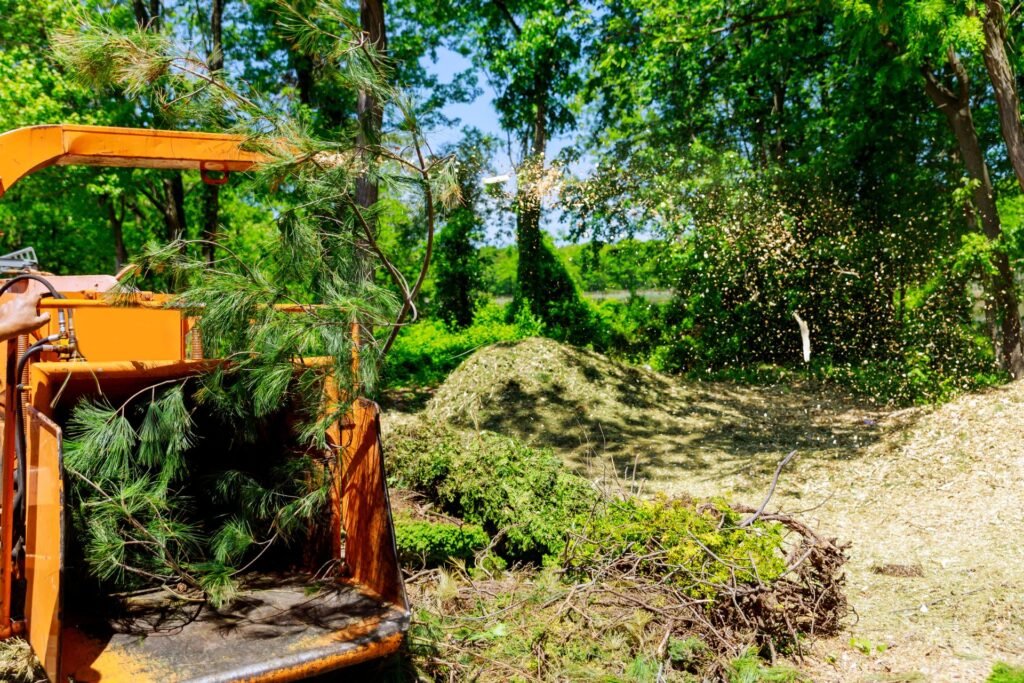
The urban forest of Manhattan is a dynamic web of urban trees on the streets, park plantations, and domestic landscape specimens that introduce shade, beauty, and environmental ease to one of the most densely populated cities on the globe. City trees are also under continuous pressure of small soil space, pollution, foot traffic, and construction, in contrast to the suburban trees, which grow in open lawn and thus have large root space. Learning about the biology of trees is not only useful in Manhattan, but also a prerequisite to life. Urban trees are working under much more pressure than their suburban counterparts. Limited root systems, compaction of the soil, reflection of heat by pavements, and exposure to pollutants interfere with natural growth cycles. Even mature trees can fall due to a lack of science-based care. This is the reason why professional arborists use biological knowledge and strategic planning to save the green canopy of Manhattan. The Unique Challenges of Urban Tree Growth The trees within urban areas also grow in restricted areas amidst the concrete and utility pipes. Roots, which would naturally be spreading out wide and deep, are frequently pressed into small pits or planting strips. It is a constraint to the accessibility of oxygen, water, and nutrients, which have a direct impact on general health. Rainfall passes down through open soil in the suburban settings. In Manhattan, the storm water runoffs are rapid on pavement minimizing ground water absorption. Because of this, the trees in urban areas have a tendency of being stressed due to drought in rainy seasons. It is important to learn how the roots work and how the soil reacts to water to be able to control such conditions. How Soil Compaction Impacts Tree Biology The healthy soil has air pockets through which the roots can breathe and absorb nutrients. In urban areas, there is a compaction of soil particles due to high pedestrian and vehicular traffic. The effect of compacted soil is less oxygen, which hinders root respiration, thereby affecting growth. In trees, the inability to expand roots and to get enough oxygen leads to discoloration of leaves, thin canopies, and retarded growth. The techniques used by professional arborists in dealing with compaction are soil aeration and organic amendments. Manhattan tree care services, such as soil management and deep root fertilization, are restorative and enhance vitality. Urban Heat and Its Effect on Trees The urban heat island effect is witnessed in Manhattan, where buildings and pavements absorb heat and reflect it back to raise the temperatures at local levels. High temperatures increase the speed of water loss via transpiration and also exert more strain on limited root systems. Naturally, trees are capable of controlling temperature by means of canopy shade and evapotranspiration. But with excessive heat experienced in the biological processes, the growth is hampered, and the organism becomes susceptible to pests. Arborists pay attention to the level of hydration and change care strategies to enable trees to cope with the microclimates in the city. Pollution and Air Quality Stressors Pollution of carbon dioxide, nitrogen oxides, and material particles is absorbed by the trees in the city. Although such a role enhances the quality of air, it exerts physiological pressures on leaves and bark. The pollutants may obstruct the leaf pores, hamper the functioning of photosynthesis, and undermine the immune system. Biological knowledge enables arborists to detect the stresses of pollution at an early stage. By selective pruning and nutrient control, the experts assist trees to be strong against the forces as a result of the environmental conditions, so that they can go on with their important air-filtering functions. Limited Root Space and Infrastructure Conflicts Roots of the trees normally have to endure competition with underground utilities, sidewalks, and building foundations. Root circumnavigation can happen in limited spaces, resulting in no stability and decreased nutrient absorption. Root systems also, in certain instances, raise the sidewalks or disrupt infrastructure. The knowledge of the root development patterns will help the arborists to adopt preventive measures. The conflicts are reduced through structural pruning, placement of root barriers as well as strategic planting methods without affecting the health of trees. Manhattan Tree Care is a company that provides expert tree pruning and consultation services in order to deal with such issues in towns. Pest and Disease Vulnerability in Dense Environments A higher population in human cities can increase the rate at which pests and diseases are dispersed. Planted trees can be in contact with pathogens either in the soil or in the air. Natural defenses are also undermined by environmental stress, which increases the chances of infestation. Arborists use biological diagnostics in order to provide early signs of fungi or insect infestation. Integrated pest management techniques aim at specific treatments as opposed to the general use of chemicals. Early intervention maintains form and saves on the massive cutting of trees in the future. The Importance of Proper Pruning Practices Urban pruning is a job that needs accuracy and scientific knowledge. Unprofessionally made cuts may expose the trees to rot, weaken the unions of branches, and lead to structural instability. Prudent pruning is essential in urban settings where there is a danger of falling trees. Certified arborists assess the growth, angles of the branches, and the time of the year, after which they make the cuts. Correct pruning is known to enhance the airflow, structural harmony, and minimization of storm damage. The trees are well-pruned by professionals and are healthy and safe. Long-Term Urban Forest Sustainability The trees in Manhattan help in the control of stormwater, the reduction of noise, and the enhancement of well-being. The maintenance of this urban forest is to be constantly monitored and taken care of. Maintenance plans that are based on biology assist in increasing the lifespan of trees even in tough environmental conditions. Biannual checks and tests on the soil and prior preventive measures are done to save the trees before the issue goes out of control. Safe removal of trees is