Urban trees are facing increasing challenges as climate patterns continue to change. Rising temperatures, stronger storms, prolonged droughts, and unpredictable weather place added stress on trees growing in cities. Understanding how climate change affects tree health allows property owners to take proactive steps that protect their landscapes and extend the life of valuable trees.
Rising Temperatures Increase Tree Stress
Extended periods of hot weather force trees to use more water to stay healthy. In urban areas, heat reflected from buildings, sidewalks, and roads makes conditions even more challenging.
Signs of heat stress include:
- Wilting leaves
- Early leaf drop
- Scorched leaf edges
- Slow growth
- Thinning canopies
Regular monitoring helps identify these issues before permanent damage occurs.
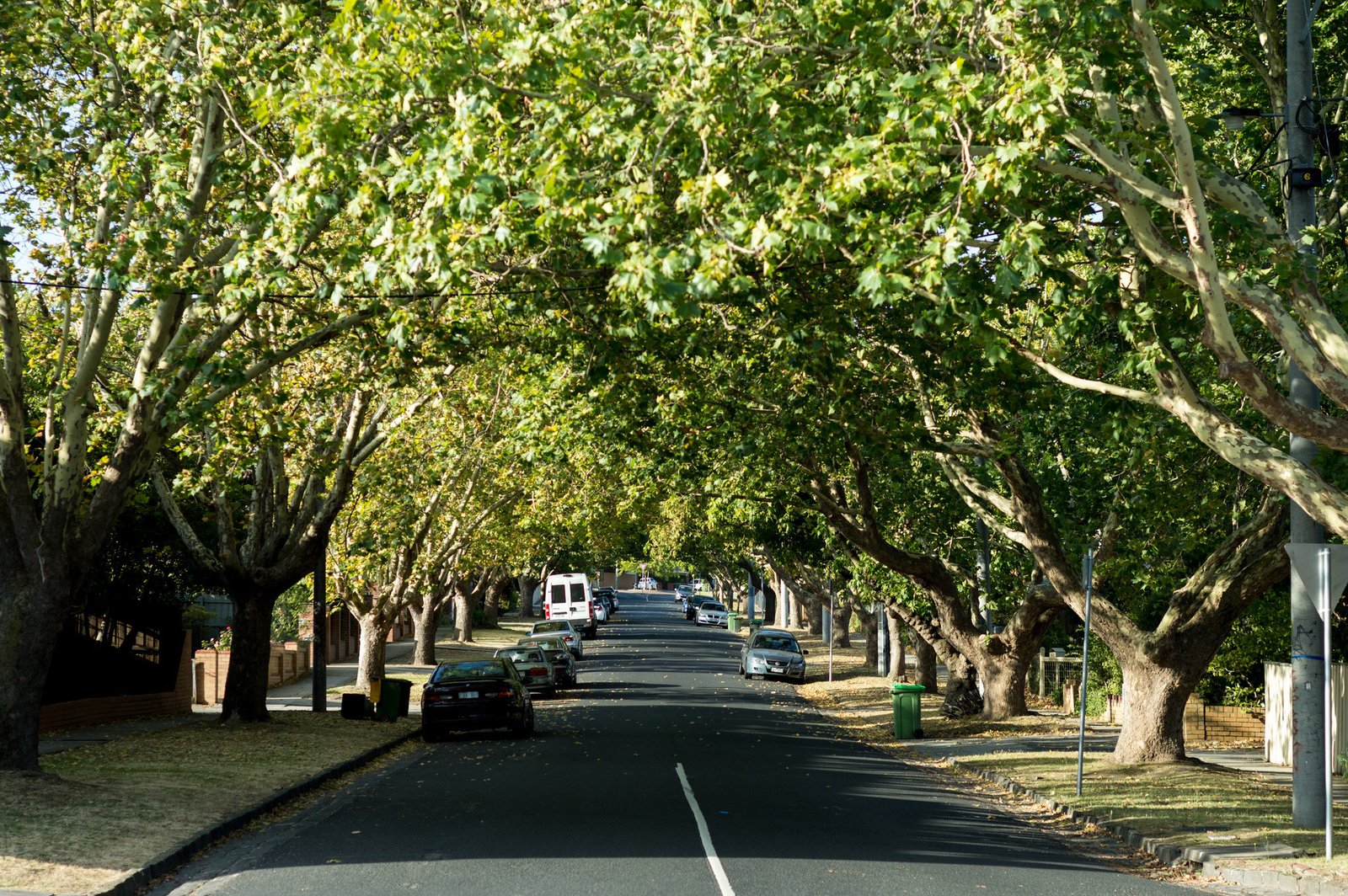
Stronger Storms Create Greater Risks
More frequent storms and high winds increase the likelihood of broken branches and uprooted trees. Trees with weak structures or hidden decay are especially vulnerable during severe weather.
Routine pruning and inspections improve stability and reduce storm-related hazards.
Drought Weakens Root Systems
Long periods without adequate rainfall limit the amount of water available to tree roots. As drought continues, trees become more susceptible to disease, insect infestations, and branch dieback.
Proper watering and soil management help trees survive dry conditions.
New Pests and Diseases Are Emerging
Changing temperatures allow certain insects and plant diseases to spread into areas where they were previously uncommon. Trees already stressed by weather are less capable of defending themselves against these new threats.
Professional inspections can detect early signs of pest activity before widespread damage occurs.
Healthy Trees Are More Resilient
Preventive tree care strengthens trees so they can better adapt to changing environmental conditions. Regular maintenance includes:
- Structural pruning
- Dead branch removal
- Soil improvement
- Mulching
- Tree health inspections
- Disease monitoring
Healthy trees recover more quickly after storms and periods of environmental stress.
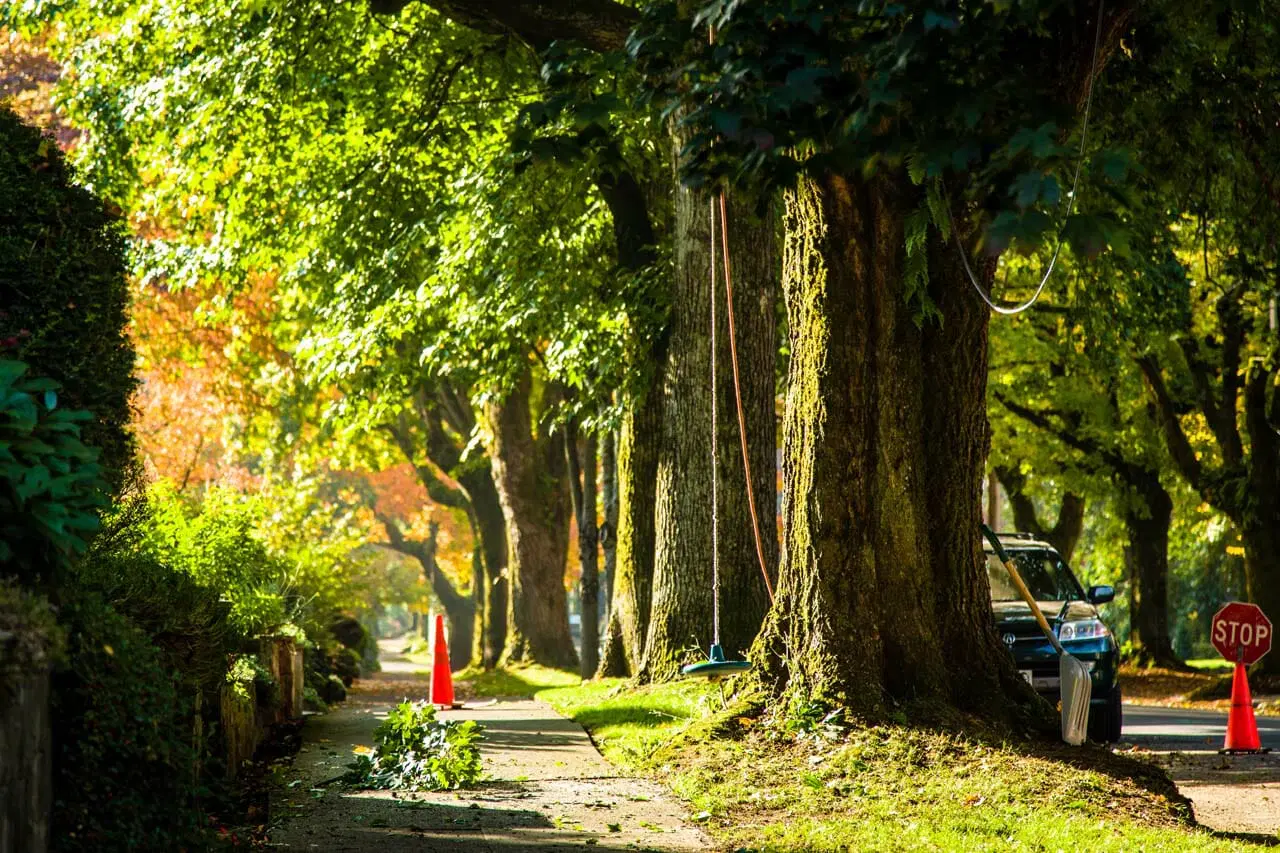
Protect Property from Climate-Related Damage
As weather becomes more unpredictable, proactive tree care helps reduce the risk of falling branches, uprooted trees, and property damage. Preventive maintenance is often much less expensive than emergency tree removal and structural repairs.
Preparing trees before extreme weather benefits both homeowners and their landscapes.
Long-Term Benefits of Climate-Smart Tree Care
Investing in regular maintenance provides lasting advantages:
- Stronger tree structure
- Improved storm resistance
- Reduced pest problems
- Healthier root systems
- Longer tree lifespan
- Better curb appeal
- Lower maintenance costs
Healthy trees are better equipped to adapt to changing environmental conditions.
Why Professional Tree Care Matters
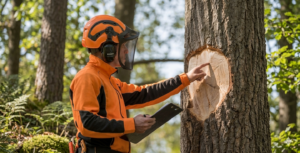
Tree care professionals understand how climate-related stress affects different tree species. They can recommend customized maintenance plans that improve tree health, identify hazards early, and help landscapes remain resilient despite changing weather patterns.
Conclusion
Climate change is creating new challenges for urban trees, but proactive care can make a significant difference. Through regular inspections, proper pruning, healthy soil management, and preventive maintenance, property owners can protect their trees from environmental stress while preserving the beauty, safety, and value of their landscape for years to come.