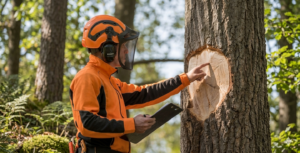
Many property owners focus on caring for mature trees, but the early years of a tree’s life are the most important for its future health. Young tree training involves strategic pruning and structural guidance that helps trees develop strong branch attachments, balanced canopies, and healthy growth patterns. Investing in early tree care can prevent costly problems as the tree matures.
Build a Strong Tree Structure
Young trees naturally produce multiple branches that compete for dominance. Without proper pruning, weak branch attachments and uneven growth can develop over time.
Structural training helps establish:
- A strong central leader
- Well-spaced branches
- Balanced canopy growth
- Better weight distribution
A properly trained tree is more stable throughout its life.

Reduce Future Safety Hazards
Many tree failures occur because structural defects developed when the tree was young. Branches with poor attachment angles are more likely to split as they become larger and heavier.
Early corrective pruning reduces the need for major pruning or removal later in the tree’s life.
Encourage Faster, Healthier Growth
Professional pruning removes competing branches that waste energy. This allows the tree to direct nutrients toward healthy growth and stronger root development.
Young trees that receive proper care typically establish themselves faster and become healthier mature trees.
Improve Storm Resistance
Trees with balanced branch structures are better able to withstand strong winds and heavy snow. Proper training reduces uneven weight distribution that often causes branches to fail during severe weather.
Preventive care increases the tree’s long-term resilience.
Minimize Future Maintenance Costs
Correcting structural problems while branches are still small is much easier and less expensive than removing large limbs years later.
Routine maintenance during a tree’s early years helps reduce:
- Major pruning costs
- Storm damage repairs
- Emergency tree services
- Premature tree removal
Early investment leads to long-term savings.
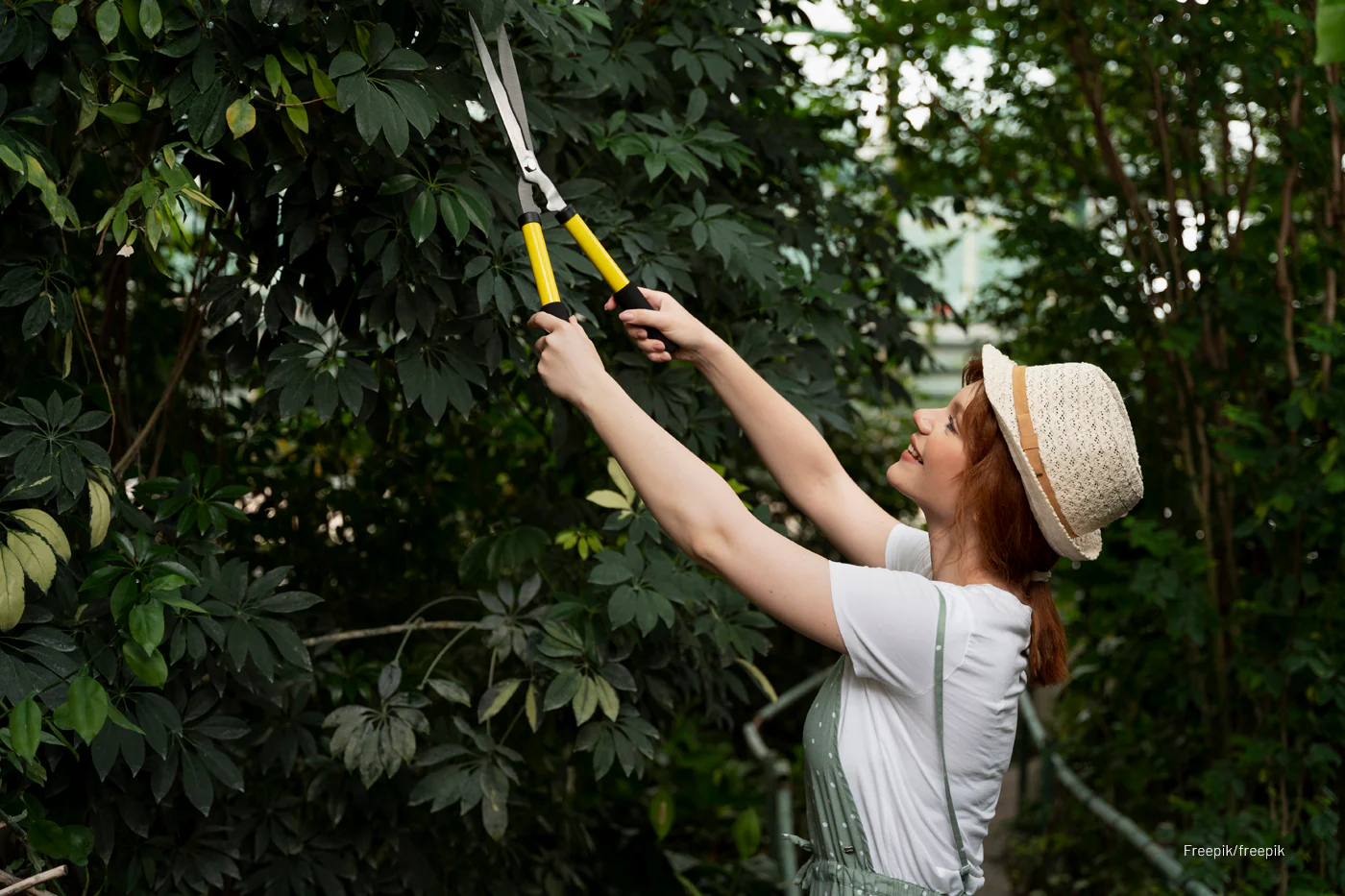
Enhance Landscape Appearance
Well-trained trees develop attractive, natural shapes that complement residential and commercial landscapes. Balanced growth improves curb appeal while creating more shade and visual appeal as the tree matures.
Healthy trees become valuable landscape features for decades.
Common Mistakes to Avoid
Young trees can suffer long-term damage from improper care. Homeowners should avoid:
- Removing too many branches at once
- Topping young trees
- Ignoring crossing branches
- Allowing multiple trunks to develop
- Delaying structural pruning for several years
Professional guidance helps prevent these common mistakes.
Why Professional Tree Care Is Important
Tree specialists understand how different tree species grow and know when and where to make proper pruning cuts. Their experience helps young trees develop strong structures while minimizing stress and encouraging healthy growth.
Professional care ensures trees remain safe, beautiful, and resilient throughout their lifespan.
Conclusion
Young tree training is one of the best investments you can make in your landscape. By encouraging proper structure, improving storm resistance, reducing future maintenance, and promoting healthy growth, early tree care lays the foundation for strong, beautiful trees that will enhance your property for generations.