When homeowners think about tree care, they often focus on pruning, trimming, or removing dead branches. However, one of the most important factors in a tree’s health lies underground. Healthy soil provides the nutrients, water, and oxygen that trees need to thrive. Without proper soil conditions, even the healthiest-looking trees can become weak, stressed, and vulnerable to disease.
Healthy Soil Supports Strong Root Systems
Tree roots rely on nutrient-rich, well-drained soil to grow and anchor the tree securely. Strong roots allow trees to absorb essential minerals while remaining stable during high winds and severe weather.
Healthy roots also help trees recover more quickly from drought, storms, and seasonal changes.
Soil Compaction Can Harm Trees
In urban environments, soil often becomes compacted due to foot traffic, vehicles, and construction activities. Compacted soil limits the movement of air and water, making it difficult for roots to grow properly.
Common causes of soil compaction include:
- Heavy equipment
- Frequent pedestrian traffic
- Parking near trees
- Construction projects
- Poor drainage
Professional tree care can help identify and correct these issues before permanent damage occurs.
Proper Drainage Is Essential
Too much or too little water can both damage a tree’s root system. Poor drainage may cause roots to rot, while dry soil can limit nutrient absorption and slow growth.
A professional evaluation helps determine whether drainage improvements or soil treatments are needed to maintain healthy trees.
Nutrient Deficiencies Affect Tree Growth
Trees require a balanced supply of nutrients to develop healthy leaves, branches, and roots. When soil lacks essential minerals, trees may show signs such as:
- Yellowing leaves
- Slow growth
- Thin canopies
- Dead branch tips
- Early leaf drop
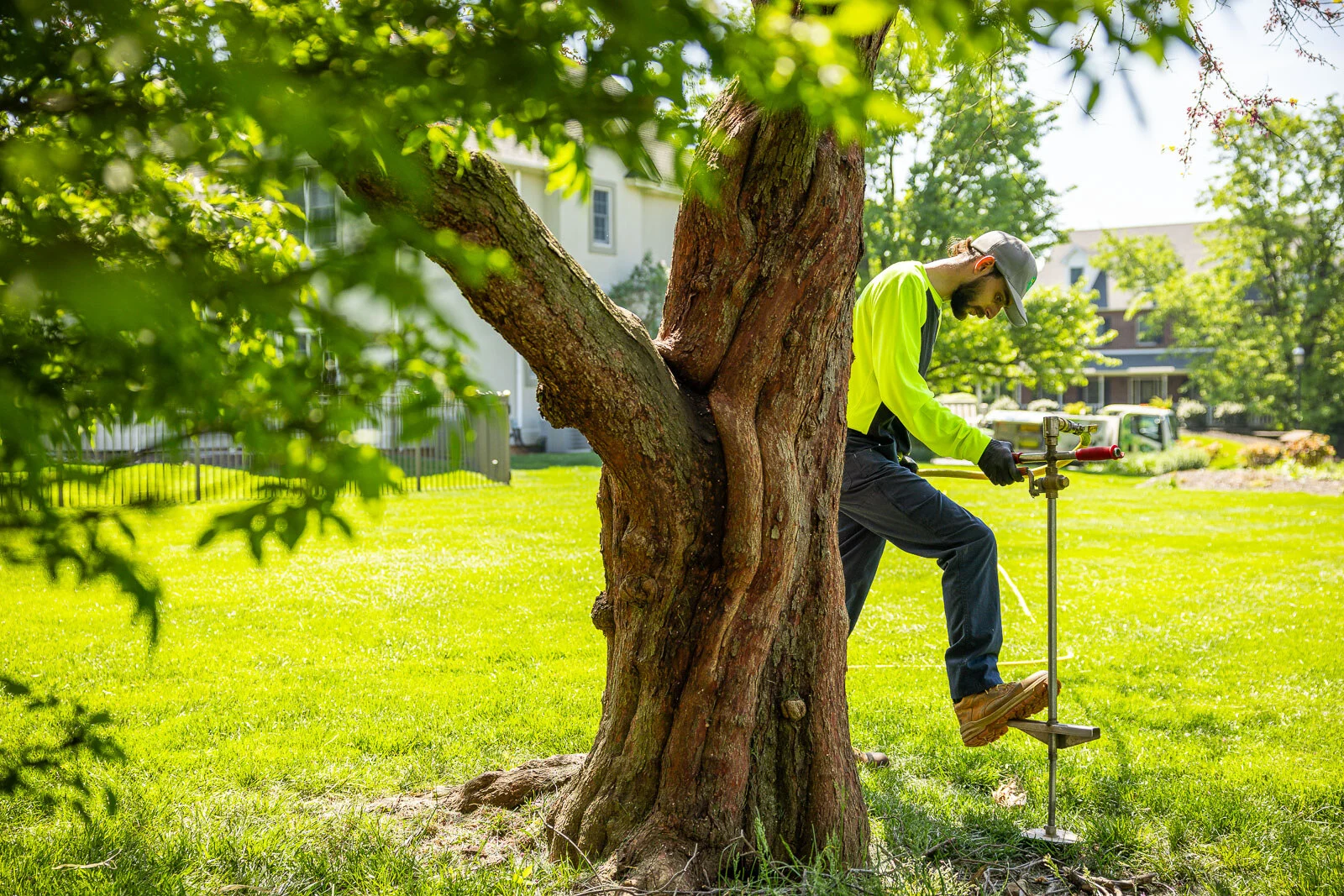
Soil testing helps identify nutrient deficiencies and allows professionals to recommend the right treatments.
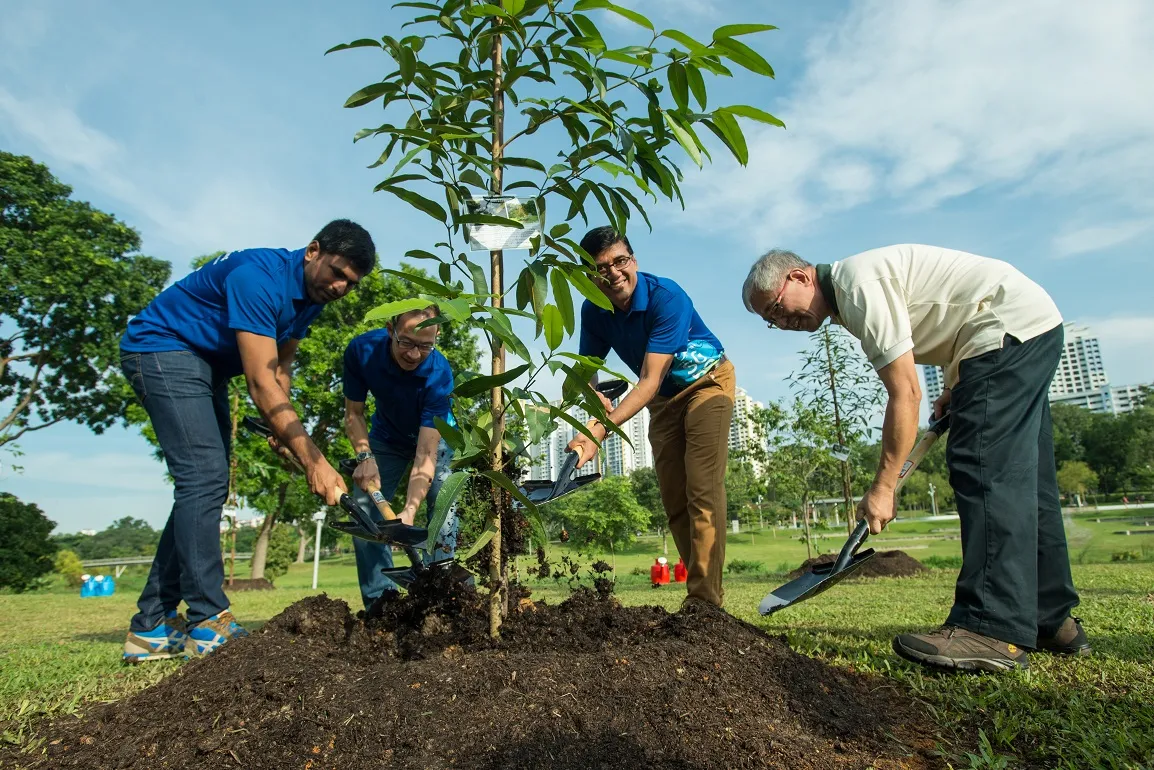
Mulching Helps Protect the Root Zone
Applying mulch around the base of a tree helps regulate soil temperature, retain moisture, and reduce weed growth. Organic mulch also improves soil quality as it breaks down naturally.
For best results, mulch should be spread evenly while keeping it several inches away from the trunk to prevent moisture-related problems.
Healthy Soil Improves Tree Longevity
Trees growing in healthy soil are better equipped to resist:
- Disease
- Insect infestations
- Storm damage
- Drought stress
- Temperature extremes
Proper soil management helps extend the lifespan of both young and mature trees.
Why Professional Soil Care Matters
Tree care professionals understand how soil conditions affect long-term tree health. Through inspections, soil testing, aeration, mulching, and nutrient management, they can create customized care plans that promote healthy root development and stronger trees.
Preventive soil care is one of the most effective ways to reduce future tree problems.
Conclusion
Healthy soil is the foundation of every healthy tree. By maintaining proper soil conditions, improving drainage, reducing compaction, and supplying essential nutrients, homeowners can encourage stronger root systems and longer-lasting trees. Investing in professional soil care helps protect your landscape, improve tree health, and ensure your trees continue to thrive for generations.