Trees are living organisms that are too complex and need special attention to be healthy and stable to withstand their structure. Although most property owners care about the appearance, the health of the trees is based on proper pruning, soil control, avoiding diseases and evaluating risks. The certified arborists depend on the science based practices to diagnose the problems early and treat the tree and the environment around the tree so that they are not damaged.
ANSI A300 is one of the major standards of professional tree care. These standards were developed to provide best practices in arboriculture and are a good guide in giving procedures to do with pruning, cabling, fertilization, lightning protection, and so on. Manhattan tree care is the example of a professional company that adheres to ANSI A300 standards to make sure that all the services are done safely and ethically and in a manner that promotes the health of trees in the long run.
Understanding Tree Biology and Structural Integrity
Arborists need to know the biology of trees prior to taking proper care of trees. Water and nutrients are moved through vascular systems of trees under the bark. The roots absorb the necessary minerals in the soil and the leaves make the energy during the process of photosynthesis. Once any component of this system is impaired, general health is impaired.
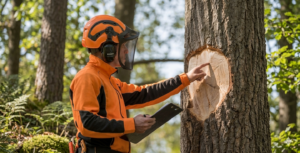
Formal integrity is also vital. The destabilization of a tree can be caused by weak branch unions, decay pockets or wrong pruning cuts. Certified arborists assess the strength of trunks, canopy balance and the health of roots in order to estimate the level of risk. Scientific testing is used to eliminate unexpected malfunctions that may cause property damage or pose safety threats.
What Are ANSI A300 Standards?
ANSI A300 standards are nationally approved guidelines on the correct practice of taking care of a tree. These standards specify the way in which pruning cuts are to be done, the extent of canopy that can be harvested and the support systems that should be placed. They make sure that the techniques that are used by arborists will facilitate healing and not harm.
As an illustration, ANSI A300 discourages destructive measures like topping, which undermine trees and stimulate weak regrowth. Rather, it encourages structural pruning techniques that enhance branch separation and stability in the long run. As a result of following these standards, the professionals will be consistent and safe in all their tree care activities.
The Science of Proper Tree Pruning
Pruning does not mean cutting branches so as to look pretty. It is a scientific procedure aimed at eliminating dead, diseased or weak in structure limbs, and leaving the tree in its natural beauty. ANSI A300 defines the exact methods of pruning, such as the location of the cuts, that will promote the healing of the wound.
Poor pruning may result in decay, pest infections, and stress. Arborists who have been certified examine the growth patterns and the time of the season before they make the cuts. Strategic pruning enhances air flow, sunlight penetration, and general structural stability, which aid trees to overcome storms and other stressors in the environment.
Soil Health and Root Zone Management
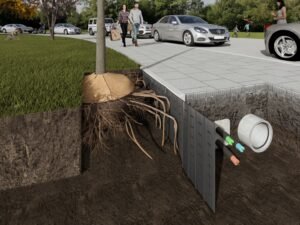
Strong trees are produced by healthy soil. Root systems may be weakened by compacted soil, poor drainage and lack of nutrients and growth may be diminished. Arborists analyze the soil composition and apply such solutions as aeration, mulching, and fertilization.
The ANSI A300 standards offer guidelines on fertilization and soil management so as to prevent excessive use of nutrients. Specific applications can help to promote the growth of roots and do not damage the nearby ecosystems. Manhattan Tree Care adopts science-based soil amelioration methods to revitalize and increase long-term sustainability.
Diagnosing and Treating Tree Diseases
The trees are susceptible to fungal infections, bacterial diseases, and insect invasion. Timely diagnosis is very important to successful treatment. The visual inspection is done by certified arborists and can be accompanied by the usage of specific tools to find out the symptoms (discolouration of the leaves, damage of the bark, thinning of the canopy).
In accordance with the ANSI A300 standards, arborists use treatments that have the minimum impact on the environment, and which also solve the problem of its origin. The strategies of integrated pest management combine monitoring, specific treatments, and prophylaxis in order to minimize the recurrence in the future and provide ecological balance.
Tree Risk Assessment and Structural Support
There are trees with structural vulnerability caused by age, lightning damage, or erroneous development formations. The risk assessment done by arborists is to determine the possible hazards. They take into account such factors as lean angle, root plate stability and the strength of branch attachments.
ANSI A300 provides appropriate guidelines on how cabling and bracing systems should be installed where needed. These aids minimize the strain on the limbs that are weak and help trees to live a long life once they are mature. Professional inspection is the one that makes certain that safety measures are fitted in the right way without limiting natural growth.
The Importance of Ethical Tree Removal
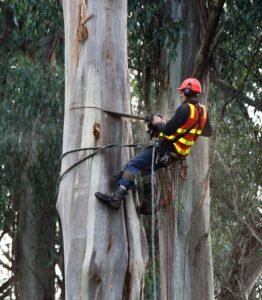
Although it is always the aim, there are cases when preservation is not possible, and the trees are too dangerous or ill to be saved. When the removal of trees is required, the ANSI A300 standards are used to direct the safe and responsible practices. By cutting down a sick tree, the neighboring plants are safe, and no property will be damaged.
Certified arborists are concerned with the least amount of impact during removal and have controlled methods that they employ to ensure that the surrounding structures and landscaping are preserved. Manhattan Tree Care also makes sure that the decisions made about removing it are based on adequate assessment and environmental soundness.
Long-Term Tree Care Planning
The health of the trees is a process rather than a service. Sustainable landscapes are also caused by seasonal inspection, preventive pruning, soil surveillance, and disease control. The maintenance standards that are embraced by ANSI A300 promote high quality and uniformity of maintenance.
A long-term care plan will guarantee that trees will survive up to decades to come. Professional evaluations that are conducted regularly will help identify minor problems before they escalate to big problems. This proactive strategy is value-saving in terms of property and increases environmental value.
Why Professional Standards Matter
Responsibility and professionalism are guaranteed by enlisting the services of certified arborists, according to ANSI A300 standards. Such guidelines safeguard trees against unskilled methods that may be irreparable. They also protect the owners of property by minimizing the liability risks that are related to unsafe practices.
Arboreal science is an amalgamation of biology, engineering concepts, and environmental science. Property owners are trusting professional experts to have their landscapes last longer and be secure.
Conclusion: Protect Your Trees With Science-Based Care
Trees need to be trimmed, not once a week. They rely on professional assessment, accuracy of methods, and conforming to accepted standards. ANSI A300 standards offer the scientific help that assists in appropriate pruning, soil regulation, illness remedies, and structural assistance.
Manhattan Tree Care should be contacted if you would like to save and maintain your trees. They have highly qualified arborists who provide professional tree pruning, soil management, and tree removal services that are safe and tailored to your property’s needs. Contact us now and make sure your trees are given the science-based treatment that they rightfully deserve to keep the trees growing longer in the years to come.