
How Climate Change Is Affecting Urban Trees and What Property Owners Can Do
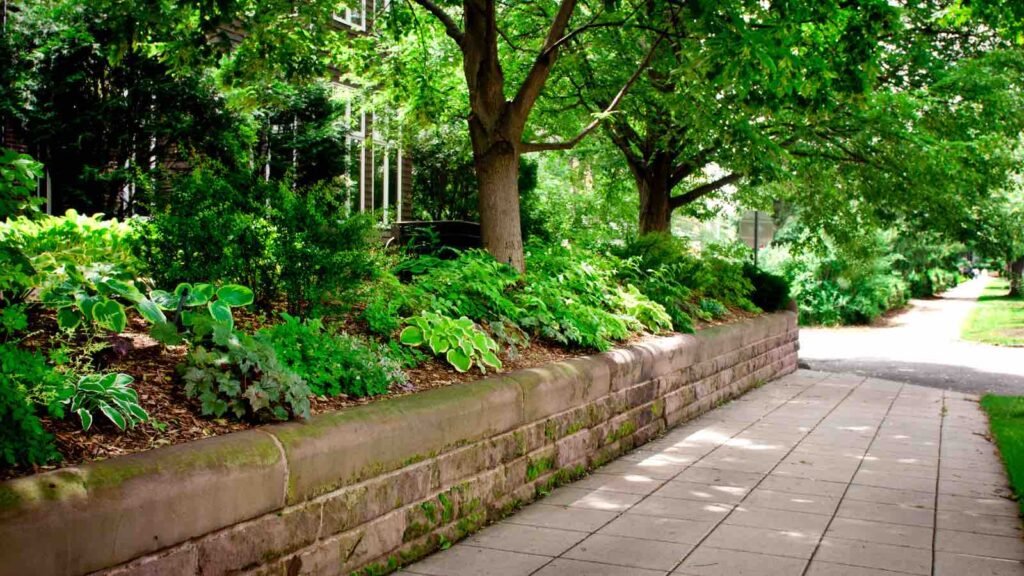
Urban trees are facing increasing challenges as climate patterns continue to change. Rising temperatures, stronger storms, prolonged droughts, and unpredictable weather place added stress on trees growing in cities. Understanding how climate change affects tree health allows property owners to take proactive steps that protect their landscapes and extend the life of valuable trees. Rising Temperatures Increase Tree Stress Extended periods of hot weather force trees to use more water to stay healthy. In urban areas, heat reflected from buildings, sidewalks, and roads makes conditions even more challenging. Signs of heat stress include: Wilting leaves Early leaf drop Scorched leaf edges Slow growth Thinning canopies Regular monitoring helps identify these issues before permanent damage occurs. Stronger Storms Create Greater Risks More frequent storms and high winds increase the likelihood of broken branches and uprooted trees. Trees with weak structures or hidden decay are especially vulnerable during severe weather. Routine pruning and inspections improve stability and reduce storm-related hazards. Drought Weakens Root Systems Long periods without adequate rainfall limit the amount of water available to tree roots. As drought continues, trees become more susceptible to disease, insect infestations, and branch dieback. Proper watering and soil management help trees survive dry conditions. New Pests and Diseases Are Emerging Changing temperatures allow certain insects and plant diseases to spread into areas where they were previously uncommon. Trees already stressed by weather are less capable of defending themselves against these new threats. Professional inspections can detect early signs of pest activity before widespread damage occurs. Healthy Trees Are More Resilient Preventive tree care strengthens trees so they can better adapt to changing environmental conditions. Regular maintenance includes: Structural pruning Dead branch removal Soil improvement Mulching Tree health inspections Disease monitoring Healthy trees recover more quickly after storms and periods of environmental stress. Protect Property from Climate-Related Damage As weather becomes more unpredictable, proactive tree care helps reduce the risk of falling branches, uprooted trees, and property damage. Preventive maintenance is often much less expensive than emergency tree removal and structural repairs. Preparing trees before extreme weather benefits both homeowners and their landscapes. Long-Term Benefits of Climate-Smart Tree Care Investing in regular maintenance provides lasting advantages: Stronger tree structure Improved storm resistance Reduced pest problems Healthier root systems Longer tree lifespan Better curb appeal Lower maintenance costs Healthy trees are better equipped to adapt to changing environmental conditions. Why Professional Tree Care Matters Tree care professionals understand how climate-related stress affects different tree species. They can recommend customized maintenance plans that improve tree health, identify hazards early, and help landscapes remain resilient despite changing weather patterns. Conclusion Climate change is creating new challenges for urban trees, but proactive care can make a significant difference. Through regular inspections, proper pruning, healthy soil management, and preventive maintenance, property owners can protect their trees from environmental stress while preserving the beauty, safety, and value of their landscape for years to come.
Why Young Tree Training Is Essential for Healthy Growth and Long-Term Stability
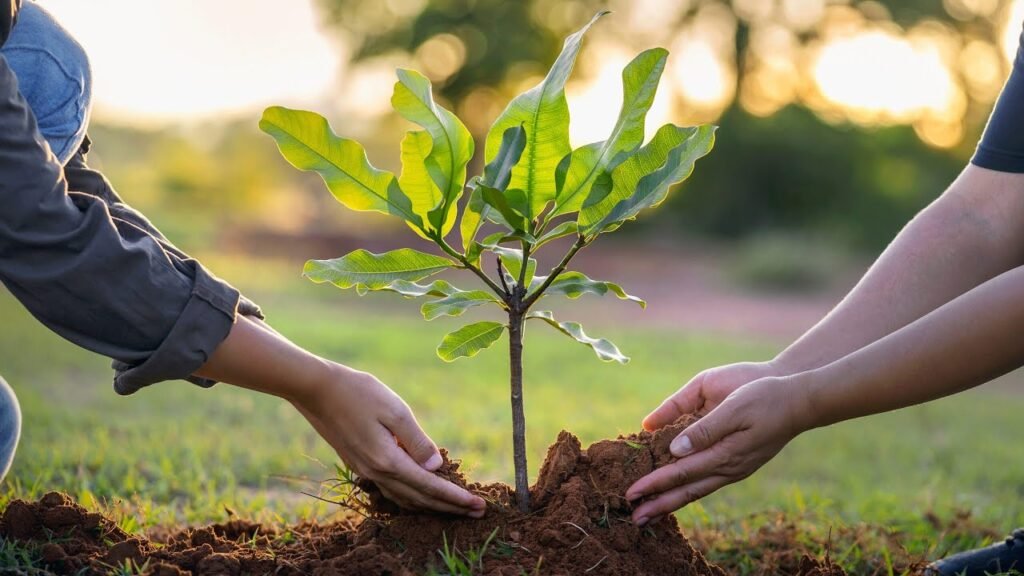
Many property owners focus on caring for mature trees, but the early years of a tree’s life are the most important for its future health. Young tree training involves strategic pruning and structural guidance that helps trees develop strong branch attachments, balanced canopies, and healthy growth patterns. Investing in early tree care can prevent costly problems as the tree matures. Build a Strong Tree Structure Young trees naturally produce multiple branches that compete for dominance. Without proper pruning, weak branch attachments and uneven growth can develop over time. Structural training helps establish: A strong central leader Well-spaced branches Balanced canopy growth Better weight distribution A properly trained tree is more stable throughout its life. Reduce Future Safety Hazards Many tree failures occur because structural defects developed when the tree was young. Branches with poor attachment angles are more likely to split as they become larger and heavier. Early corrective pruning reduces the need for major pruning or removal later in the tree’s life. Encourage Faster, Healthier Growth Professional pruning removes competing branches that waste energy. This allows the tree to direct nutrients toward healthy growth and stronger root development. Young trees that receive proper care typically establish themselves faster and become healthier mature trees. Improve Storm Resistance Trees with balanced branch structures are better able to withstand strong winds and heavy snow. Proper training reduces uneven weight distribution that often causes branches to fail during severe weather. Preventive care increases the tree’s long-term resilience. Minimize Future Maintenance Costs Correcting structural problems while branches are still small is much easier and less expensive than removing large limbs years later. Routine maintenance during a tree’s early years helps reduce: Major pruning costs Storm damage repairs Emergency tree services Premature tree removal Early investment leads to long-term savings. Enhance Landscape Appearance Well-trained trees develop attractive, natural shapes that complement residential and commercial landscapes. Balanced growth improves curb appeal while creating more shade and visual appeal as the tree matures. Healthy trees become valuable landscape features for decades. Common Mistakes to Avoid Young trees can suffer long-term damage from improper care. Homeowners should avoid: Removing too many branches at once Topping young trees Ignoring crossing branches Allowing multiple trunks to develop Delaying structural pruning for several years Professional guidance helps prevent these common mistakes. Why Professional Tree Care Is Important Tree specialists understand how different tree species grow and know when and where to make proper pruning cuts. Their experience helps young trees develop strong structures while minimizing stress and encouraging healthy growth. Professional care ensures trees remain safe, beautiful, and resilient throughout their lifespan. Conclusion Young tree training is one of the best investments you can make in your landscape. By encouraging proper structure, improving storm resistance, reducing future maintenance, and promoting healthy growth, early tree care lays the foundation for strong, beautiful trees that will enhance your property for generations.
Why Soil Health Is the Foundation of Strong and Healthy Trees
When homeowners think about tree care, they often focus on pruning, trimming, or removing dead branches. However, one of the most important factors in a tree’s health lies underground. Healthy soil provides the nutrients, water, and oxygen that trees need to thrive. Without proper soil conditions, even the healthiest-looking trees can become weak, stressed, and vulnerable to disease. Healthy Soil Supports Strong Root Systems Tree roots rely on nutrient-rich, well-drained soil to grow and anchor the tree securely. Strong roots allow trees to absorb essential minerals while remaining stable during high winds and severe weather. Healthy roots also help trees recover more quickly from drought, storms, and seasonal changes. Soil Compaction Can Harm Trees In urban environments, soil often becomes compacted due to foot traffic, vehicles, and construction activities. Compacted soil limits the movement of air and water, making it difficult for roots to grow properly. Common causes of soil compaction include: Heavy equipment Frequent pedestrian traffic Parking near trees Construction projects Poor drainage Professional tree care can help identify and correct these issues before permanent damage occurs. Proper Drainage Is Essential Too much or too little water can both damage a tree’s root system. Poor drainage may cause roots to rot, while dry soil can limit nutrient absorption and slow growth. A professional evaluation helps determine whether drainage improvements or soil treatments are needed to maintain healthy trees. Nutrient Deficiencies Affect Tree Growth Trees require a balanced supply of nutrients to develop healthy leaves, branches, and roots. When soil lacks essential minerals, trees may show signs such as: Yellowing leaves Slow growth Thin canopies Dead branch tips Early leaf drop Soil testing helps identify nutrient deficiencies and allows professionals to recommend the right treatments. Mulching Helps Protect the Root Zone Applying mulch around the base of a tree helps regulate soil temperature, retain moisture, and reduce weed growth. Organic mulch also improves soil quality as it breaks down naturally. For best results, mulch should be spread evenly while keeping it several inches away from the trunk to prevent moisture-related problems. Healthy Soil Improves Tree Longevity Trees growing in healthy soil are better equipped to resist: Disease Insect infestations Storm damage Drought stress Temperature extremes Proper soil management helps extend the lifespan of both young and mature trees. Why Professional Soil Care Matters Tree care professionals understand how soil conditions affect long-term tree health. Through inspections, soil testing, aeration, mulching, and nutrient management, they can create customized care plans that promote healthy root development and stronger trees. Preventive soil care is one of the most effective ways to reduce future tree problems. Conclusion Healthy soil is the foundation of every healthy tree. By maintaining proper soil conditions, improving drainage, reducing compaction, and supplying essential nutrients, homeowners can encourage stronger root systems and longer-lasting trees. Investing in professional soil care helps protect your landscape, improve tree health, and ensure your trees continue to thrive for generations.
How Urban Trees Improve Air Quality and Why Professional Tree Care Matters

Trees do much more than beautify city streets and residential properties—they play a vital role in improving air quality and creating healthier communities. In densely populated areas like Manhattan, trees help filter pollutants, reduce heat, and provide cleaner air for residents. However, to continue delivering these environmental benefits, trees require regular professional care and maintenance. Trees Naturally Filter Air Pollutants Urban trees act as natural air filters by trapping dust, smoke, and airborne particles on their leaves. They also absorb harmful gases such as carbon dioxide while releasing oxygen back into the atmosphere. Healthy trees help reduce: Dust particles Airborne pollutants Carbon dioxide Urban heat Noise pollution Properly maintained trees perform these functions more efficiently throughout the year. Reduce the Urban Heat Island Effect Concrete buildings, roads, and sidewalks absorb and retain heat, making cities significantly warmer than surrounding areas. Large shade trees help cool neighborhoods by blocking direct sunlight and releasing moisture through transpiration. Lower temperatures improve outdoor comfort while reducing the demand for air conditioning during the summer. Improve Public Health Cleaner air benefits everyone, especially children, older adults, and individuals with respiratory conditions. Healthy urban trees contribute to improved air quality by reducing airborne contaminants and increasing oxygen production. Well-maintained green spaces also encourage outdoor activities and support overall well-being. Support Local Wildlife Trees provide food and shelter for birds, squirrels, butterflies, and beneficial insects. A healthy urban canopy creates a more balanced ecosystem while increasing biodiversity throughout the community. Professional tree care helps preserve these habitats by maintaining tree health and preventing disease. Prevent Premature Tree Loss Without routine maintenance, urban trees face challenges such as compacted soil, pollution, limited root space, and storm damage. Professional tree care helps address these issues through: Regular inspections Structural pruning Disease management Soil improvement Dead branch removal Preventive maintenance These services help trees remain healthy despite difficult urban growing conditions. Protect Property and Infrastructure Healthy trees provide environmental benefits without becoming safety hazards. Routine pruning removes weak branches, while inspections identify structural problems before they threaten nearby buildings, vehicles, or pedestrians. Preventive maintenance protects both people and property. Long-Term Benefits of Professional Tree Care Investing in regular tree maintenance offers lasting advantages: Cleaner air Healthier trees Better storm resistance Increased property value Enhanced curb appeal Improved energy efficiency Longer tree lifespan Healthy trees continue serving the community for decades when properly maintained. Why Hire Professional Tree Care Specialists? Urban tree care requires specialized knowledge of tree biology, city growing conditions, and proper pruning techniques. Professional arborists understand how to preserve mature trees while minimizing risks to surrounding structures and public spaces. Regular inspections and expert maintenance ensure trees remain healthy, attractive, and safe throughout every season. Conclusion Urban trees are one of the most valuable natural resources in any city. They improve air quality, reduce heat, support wildlife, and enhance the beauty of neighborhoods. With regular professional tree care, these valuable trees can continue providing environmental, economic, and aesthetic benefits for generations while creating healthier and more sustainable urban communities.
Why Root Zone Protection Is Essential During Construction Projects in Manhattan
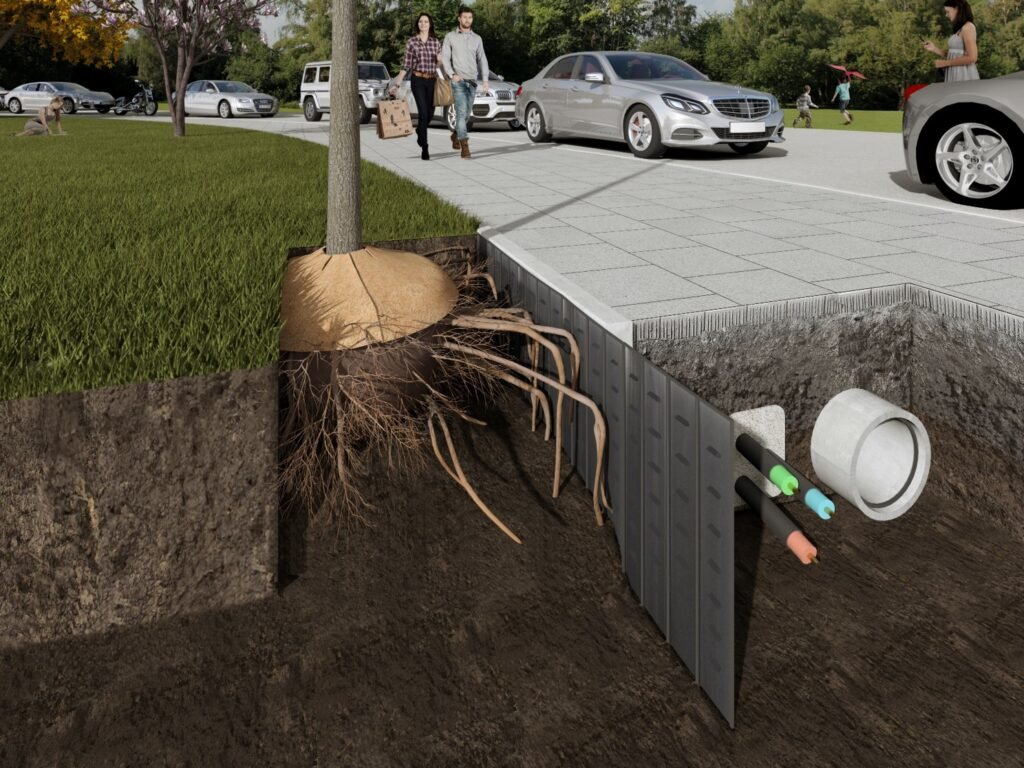
Construction and renovation projects are common throughout Manhattan, but many property owners focus only on protecting buildings while overlooking one of their most valuable assets—their trees. Heavy equipment, soil compaction, and excavation can seriously damage tree roots, even if the trunk and branches appear untouched. Protecting the root zone during construction helps preserve tree health, prevent future hazards, and avoid costly tree removal. Why Tree Roots Matter A tree’s root system does much more than anchor it to the ground. Roots absorb water and nutrients, store energy, and provide the stability needed to withstand storms and high winds. In urban environments like Manhattan, root systems are already limited by sidewalks, underground utilities, and compacted soil. Construction activities can place even more stress on these trees. Common Construction Hazards Even small construction projects can harm nearby trees through: Soil compaction from heavy machinery Trenching near root systems Excavation around the trunk Storage of building materials over root zones Chemical spills and concrete washout Changes in soil drainage These issues may not show immediate symptoms, but they can weaken a tree over time. Signs of Root Damage After construction, damaged trees may begin to show warning signs such as: Thinning leaves Dead branches Slow growth Early leaf drop Leaning trunks Fungal growth near the base These symptoms often develop months or even years after the initial root damage. Protect Nearby Structures Trees with compromised roots become less stable over time. During storms, weakened trees are more likely to fall or lose large limbs, potentially damaging: Homes Apartment buildings Sidewalks Vehicles Utility lines Commercial properties Preventing root damage is far less expensive than dealing with emergency tree removal or structural repairs. Best Practices for Root Protection Professional tree care specialists recommend several protective measures before construction begins: Install protective fencing around the tree’s drip line. Avoid driving heavy equipment over root zones. Minimize excavation near major roots. Use air excavation techniques when roots must be exposed. Water trees regularly during extended construction projects. Schedule inspections before and after construction. These simple precautions can greatly improve tree survival. Why Professional Arborists Should Be Involved Certified arborists understand how construction affects tree biology and can work alongside contractors to create tree protection plans. They evaluate root zones, recommend safe excavation methods, and monitor tree health throughout the project to reduce long-term damage. Manhattan Tree Care emphasizes professional arborist services, tree care, pruning, removal, and long-term tree health management for urban properties. Conclusion Construction projects don’t have to come at the expense of healthy trees. By protecting root systems before work begins, property owners can preserve mature trees, reduce future safety risks, and maintain the beauty and value of their landscape. Investing in professional tree protection today helps ensure your trees continue thriving long after construction is complete.