The urban forest of Manhattan is a dynamic web of urban trees on the streets, park plantations, and domestic landscape specimens that introduce shade, beauty, and environmental ease to one of the most densely populated cities on the globe. City trees are also under continuous pressure of small soil space, pollution, foot traffic, and construction, in contrast to the suburban trees, which grow in open lawn and thus have large root space. Learning about the biology of trees is not only useful in Manhattan, but also a prerequisite to life.
Urban trees are working under much more pressure than their suburban counterparts. Limited root systems, compaction of the soil, reflection of heat by pavements, and exposure to pollutants interfere with natural growth cycles. Even mature trees can fall due to a lack of science-based care. This is the reason why professional arborists use biological knowledge and strategic planning to save the green canopy of Manhattan.
The Unique Challenges of Urban Tree Growth
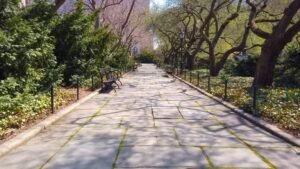
The trees within urban areas also grow in restricted areas amidst the concrete and utility pipes. Roots, which would naturally be spreading out wide and deep, are frequently pressed into small pits or planting strips. It is a constraint to the accessibility of oxygen, water, and nutrients, which have a direct impact on general health.
Rainfall passes down through open soil in the suburban settings. In Manhattan, the storm water runoffs are rapid on pavement minimizing ground water absorption. Because of this, the trees in urban areas have a tendency of being stressed due to drought in rainy seasons. It is important to learn how the roots work and how the soil reacts to water to be able to control such conditions.
How Soil Compaction Impacts Tree Biology
The healthy soil has air pockets through which the roots can breathe and absorb nutrients. In urban areas, there is a compaction of soil particles due to high pedestrian and vehicular traffic. The effect of compacted soil is less oxygen, which hinders root respiration, thereby affecting growth.
In trees, the inability to expand roots and to get enough oxygen leads to discoloration of leaves, thin canopies, and retarded growth. The techniques used by professional arborists in dealing with compaction are soil aeration and organic amendments. Manhattan tree care services, such as soil management and deep root fertilization, are restorative and enhance vitality.
Urban Heat and Its Effect on Trees
The urban heat island effect is witnessed in Manhattan, where buildings and pavements absorb heat and reflect it back to raise the temperatures at local levels. High temperatures increase the speed of water loss via transpiration and also exert more strain on limited root systems.
Naturally, trees are capable of controlling temperature by means of canopy shade and evapotranspiration. But with excessive heat experienced in the biological processes, the growth is hampered, and the organism becomes susceptible to pests. Arborists pay attention to the level of hydration and change care strategies to enable trees to cope with the microclimates in the city.
Pollution and Air Quality Stressors
Pollution of carbon dioxide, nitrogen oxides, and material particles is absorbed by the trees in the city. Although such a role enhances the quality of air, it exerts physiological pressures on leaves and bark. The pollutants may obstruct the leaf pores, hamper the functioning of photosynthesis, and undermine the immune system.
Biological knowledge enables arborists to detect the stresses of pollution at an early stage. By selective pruning and nutrient control, the experts assist trees to be strong against the forces as a result of the environmental conditions, so that they can go on with their important air-filtering functions.
Limited Root Space and Infrastructure Conflicts
Roots of the trees normally have to endure competition with underground utilities, sidewalks, and building foundations. Root circumnavigation can happen in limited spaces, resulting in no stability and decreased nutrient absorption. Root systems also, in certain instances, raise the sidewalks or disrupt infrastructure.
The knowledge of the root development patterns will help the arborists to adopt preventive measures. The conflicts are reduced through structural pruning, placement of root barriers as well as strategic planting methods without affecting the health of trees. Manhattan Tree Care is a company that provides expert tree pruning and consultation services in order to deal with such issues in towns.
Pest and Disease Vulnerability in Dense Environments
A higher population in human cities can increase the rate at which pests and diseases are dispersed. Planted trees can be in contact with pathogens either in the soil or in the air. Natural defenses are also undermined by environmental stress, which increases the chances of infestation.
Arborists use biological diagnostics in order to provide early signs of fungi or insect infestation. Integrated pest management techniques aim at specific treatments as opposed to the general use of chemicals. Early intervention maintains form and saves on the massive cutting of trees in the future.
The Importance of Proper Pruning Practices
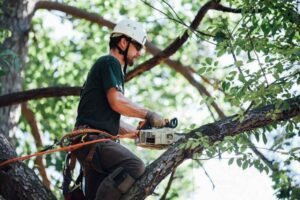
Urban pruning is a job that needs accuracy and scientific knowledge. Unprofessionally made cuts may expose the trees to rot, weaken the unions of branches, and lead to structural instability. Prudent pruning is essential in urban settings where there is a danger of falling trees.
Certified arborists assess the growth, angles of the branches, and the time of the year, after which they make the cuts. Correct pruning is known to enhance the airflow, structural harmony, and minimization of storm damage. The trees are well-pruned by professionals and are healthy and safe.
Long-Term Urban Forest Sustainability
The trees in Manhattan help in the control of stormwater, the reduction of noise, and the enhancement of well-being. The maintenance of this urban forest is to be constantly monitored and taken care of. Maintenance plans that are based on biology assist in increasing the lifespan of trees even in tough environmental conditions.
Biannual checks and tests on the soil and prior preventive measures are done to save the trees before the issue goes out of control. Safe removal of trees is used to avoid hazards when there is necessity and space is left to plant new trees. The solution is a strategic approach that will continue to make the urban canopy flourish.
Why Professional Arborists Make the Difference
Manhattan requires more than just maintenance of the trees. It involves knowledge of plant life, nature, and city infrastructure. Professional arborists use both technical knowledge and experience to come up with solutions for each site.
The nature of the science-based services that Manhattan Tree Care deals with consists of tree pruning, soil management, and safe tree removal. Their knowledge makes sure that all the decisions made are in favor of safety and the ecological health in the long run.
Conclusion: Protecting Manhattan’s Living Infrastructure
The city of Manhattan has an urban forest that is a major environmental factor in the resilience of the city. Since the nature of city life increases the biological stress, in this case, the science of trees becomes crucial compared to the suburban environment. Shade is better maintained, air quality is better, and property values increase with proper care.
Manhattan Tree Care is the place to go now, in case you want to protect your trees and make this city healthier. Their workforce offers specialized tree pruning, gardening services, and professional tree removal services to the urban setting. Call and have your trees taken care of with special attention that they deserve in Manhattan’s difficult terrain.