From Sick to Thriving: Real Manhattan Tree Recovery Stories and Lessons Learned
The trees in the heart of Manhattan are put through continuous tests- compacted ground, pollution, root space, storm damage and continuous construction. Although most people think that dying trees have to be cut, professional arborists can tell that salvaging them can be achieved in most cases when there is the proper scientific methodology. Even the most stressed trees can recover their forces and become strong and active again with the help of proper diagnosis, specific treatment, and regular monitoring. The real-life recapture tales of trees prove that professional skills and patience are important. Each tree has a biological history that is determined by environmental factors, practices of care, and exposure of stress. Manhattan Tree Care experts have been able to revive trees that initially seemed dead through the application of established arboricultural methods to save them. These success stories can help in providing useful lessons to the property owners who wish to defend and maintain their landscapes. Case Study One: Reviving a Declining Street Tree One of the London plane trees that grew on a busy Manhattan sidewalk started to exhibit symptoms of extreme stress. The canopy was withering, it had leaves turning yellow, and small branches were shrivelling. The soil around was very compacted due to the people, and there was little oxygen available to the roots. Having done a complete health check-up, the arborists concluded that the major causes were soil compaction and a deficiency of nutrients. The root zone was replenished by the use of professional soil management services such as deep root fertilization and aeration. The density of the canopy got much better in a single growing season. The moral of the story: the root health can be recovered at the initial stage of its development, and that can prevent the manifested deterioration. Case Study Two: Saving a Storm-Damaged Oak After a summer storm, a huge oak tree in a private courtyard was severely damaged in terms of limbs. The first reason why property managers thought it should be completely removed was that it was unsafe. A structural evaluation, however, showed that the primary root system and the trunk have been stable. Strategic tree trimming was done by certified arborists who ensured that they did not lose structural balance. Cabling support was done to strengthen unions that were weak. The tree eventually bounced back and was still able to offer shade and beauty. The case studies the role of expert assessment in avoiding the needless cutting down of trees. Case Study Three: Overcoming Construction Stress The construction of an area adjacent to a residential house led to root disruption and soil compaction of a few decorative trees. Several months later, the leaves started yellowing and growing at a very slow rate. The destruction was not obvious on the surface, and, therefore, the process of diagnosis was more complicated. Arborists provided root zone examination and put up an elaborate care strategy, such as mulching, irrigation modification, and nutrient treatment. The trees slowly revived by alleviating more stress and by replenishing the soil. The lesson here is that root system security is of utmost importance when constructing a system that may survive over time. Understanding the Recovery Process There is no instant transformation that is tree recovery. The biological systems take time to recover and adjust. Once the stress has been recognized, arborists draw a tailor-made treatment regimen that is dependent on the species, age, and the environment. Incorporated in recovery may be improvement of soil, pest control, structural pruning and close monitoring. The steps are all aimed to assist natural protective systems and promote healthy growth patterns. There is a need to be patient and consistent because improvements can be seen only after several seasons. The Role of Early Detection Numerous recovery stories have one element in common; early intervention. Such minor signs as the discoloration of the leaf, its early falling, or slight thinning of the canopy could be shallow manifestations of underlying issues. These symptoms are usually ignored thus resulting in the advanced decline. The frequent checks by skilled workers ensure that problems can be noted before they grow out of proportion. Manhattan Tree Care focuses on proactive evaluation in order to detect risks at an early stage. Prophylactic measures, such as regular trimming of trees and soil analysis minimize the occurrence of extreme losses. Balancing Preservation and Safety There is a concern of safety in densely populated urban areas. Arborists should be very delicate in balancing tree conservation and civic protection. Structural appraisals and hazard assessment are always used to lead recovery efforts. Where preservation can be done, the weak points are reinforced with treatments. Safe tree removal can also be advised when there is a high risk of a tree threatening other trees even with intervention. Its aim is to conserve human beings and the surrounding scenery as well as ensure as much as possible that the trees are allowed to live longer. Lessons Learned From Urban Tree Recovery These recovery stories of Manhattan demonstrate a number of valuable lessons. To begin with, there is an underlying health of roots. Trees cannot survive in the absence of healthy soil and space. Second, decline may be quickened by inappropriate pruning or the late actions of maintenance. Third, professional competence can be quantified in regard to its results. City trees should be provided with special attention to urban conditions. Stress factors are distinctive and continuous, starting with compressed walkways to the pollution of the environment. The use of a science approach will make sure that the recovery plans are targeted to correct underlying causes and not the symptomatic situation. Long-Term Maintenance After Recovery It is important to provide further attention to a tree when it has started to recover. Constant follow-ups can maintain the improvements and solve new stressors in a timely manner. Maintenance might be seasonal pruning, amendments of soil and pests. The long term care plan will secure the investment that was required in the recovery efforts. Trees are healthy and add
Manhattan’s Urban Forest: Why Tree Biology Matters More in the City Than the Suburbs
The urban forest of Manhattan is a dynamic web of urban trees on the streets, park plantations, and domestic landscape specimens that introduce shade, beauty, and environmental ease to one of the most densely populated cities on the globe. City trees are also under continuous pressure of small soil space, pollution, foot traffic, and construction, in contrast to the suburban trees, which grow in open lawn and thus have large root space. Learning about the biology of trees is not only useful in Manhattan, but also a prerequisite to life. Urban trees are working under much more pressure than their suburban counterparts. Limited root systems, compaction of the soil, reflection of heat by pavements, and exposure to pollutants interfere with natural growth cycles. Even mature trees can fall due to a lack of science-based care. This is the reason why professional arborists use biological knowledge and strategic planning to save the green canopy of Manhattan. The Unique Challenges of Urban Tree Growth The trees within urban areas also grow in restricted areas amidst the concrete and utility pipes. Roots, which would naturally be spreading out wide and deep, are frequently pressed into small pits or planting strips. It is a constraint to the accessibility of oxygen, water, and nutrients, which have a direct impact on general health. Rainfall passes down through open soil in the suburban settings. In Manhattan, the storm water runoffs are rapid on pavement minimizing ground water absorption. Because of this, the trees in urban areas have a tendency of being stressed due to drought in rainy seasons. It is important to learn how the roots work and how the soil reacts to water to be able to control such conditions. How Soil Compaction Impacts Tree Biology The healthy soil has air pockets through which the roots can breathe and absorb nutrients. In urban areas, there is a compaction of soil particles due to high pedestrian and vehicular traffic. The effect of compacted soil is less oxygen, which hinders root respiration, thereby affecting growth. In trees, the inability to expand roots and to get enough oxygen leads to discoloration of leaves, thin canopies, and retarded growth. The techniques used by professional arborists in dealing with compaction are soil aeration and organic amendments. Manhattan tree care services, such as soil management and deep root fertilization, are restorative and enhance vitality. Urban Heat and Its Effect on Trees The urban heat island effect is witnessed in Manhattan, where buildings and pavements absorb heat and reflect it back to raise the temperatures at local levels. High temperatures increase the speed of water loss via transpiration and also exert more strain on limited root systems. Naturally, trees are capable of controlling temperature by means of canopy shade and evapotranspiration. But with excessive heat experienced in the biological processes, the growth is hampered, and the organism becomes susceptible to pests. Arborists pay attention to the level of hydration and change care strategies to enable trees to cope with the microclimates in the city. Pollution and Air Quality Stressors Pollution of carbon dioxide, nitrogen oxides, and material particles is absorbed by the trees in the city. Although such a role enhances the quality of air, it exerts physiological pressures on leaves and bark. The pollutants may obstruct the leaf pores, hamper the functioning of photosynthesis, and undermine the immune system. Biological knowledge enables arborists to detect the stresses of pollution at an early stage. By selective pruning and nutrient control, the experts assist trees to be strong against the forces as a result of the environmental conditions, so that they can go on with their important air-filtering functions. Limited Root Space and Infrastructure Conflicts Roots of the trees normally have to endure competition with underground utilities, sidewalks, and building foundations. Root circumnavigation can happen in limited spaces, resulting in no stability and decreased nutrient absorption. Root systems also, in certain instances, raise the sidewalks or disrupt infrastructure. The knowledge of the root development patterns will help the arborists to adopt preventive measures. The conflicts are reduced through structural pruning, placement of root barriers as well as strategic planting methods without affecting the health of trees. Manhattan Tree Care is a company that provides expert tree pruning and consultation services in order to deal with such issues in towns. Pest and Disease Vulnerability in Dense Environments A higher population in human cities can increase the rate at which pests and diseases are dispersed. Planted trees can be in contact with pathogens either in the soil or in the air. Natural defenses are also undermined by environmental stress, which increases the chances of infestation. Arborists use biological diagnostics in order to provide early signs of fungi or insect infestation. Integrated pest management techniques aim at specific treatments as opposed to the general use of chemicals. Early intervention maintains form and saves on the massive cutting of trees in the future. The Importance of Proper Pruning Practices Urban pruning is a job that needs accuracy and scientific knowledge. Unprofessionally made cuts may expose the trees to rot, weaken the unions of branches, and lead to structural instability. Prudent pruning is essential in urban settings where there is a danger of falling trees. Certified arborists assess the growth, angles of the branches, and the time of the year, after which they make the cuts. Correct pruning is known to enhance the airflow, structural harmony, and minimization of storm damage. The trees are well-pruned by professionals and are healthy and safe. Long-Term Urban Forest Sustainability The trees in Manhattan help in the control of stormwater, the reduction of noise, and the enhancement of well-being. The maintenance of this urban forest is to be constantly monitored and taken care of. Maintenance plans that are based on biology assist in increasing the lifespan of trees even in tough environmental conditions. Biannual checks and tests on the soil and prior preventive measures are done to save the trees before the issue goes out of control. Safe removal of trees is
The Science Behind Tree Health: How Certified Arborists Use ANSI A300 Standards to Save Your Trees
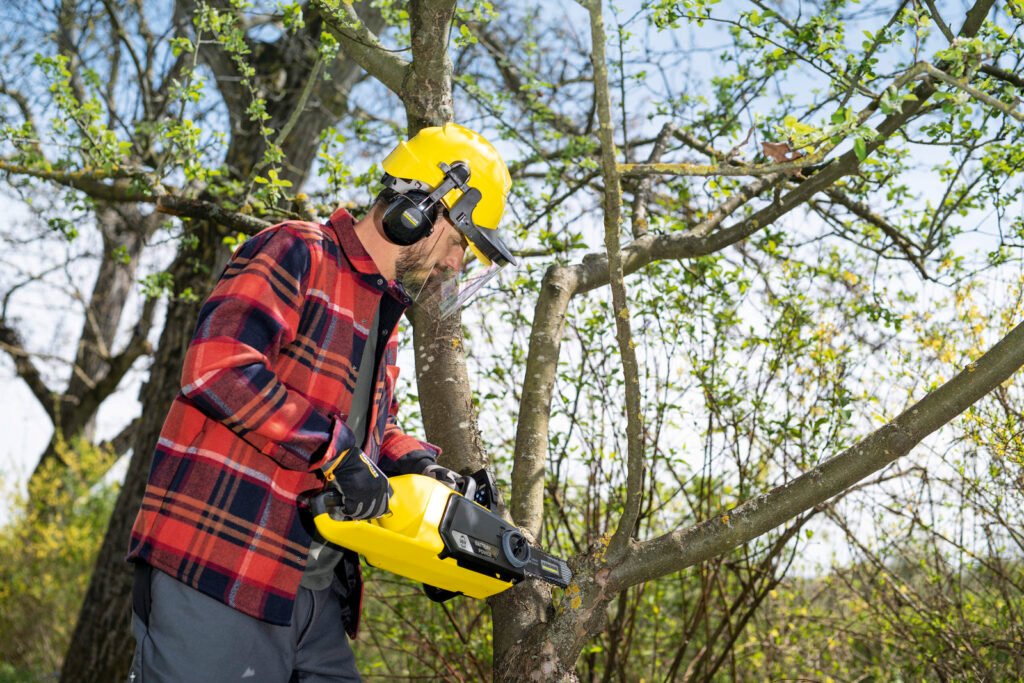
Trees are living organisms that are too complex and need special attention to be healthy and stable to withstand their structure. Although most property owners care about the appearance, the health of the trees is based on proper pruning, soil control, avoiding diseases and evaluating risks. The certified arborists depend on the science based practices to diagnose the problems early and treat the tree and the environment around the tree so that they are not damaged. ANSI A300 is one of the major standards of professional tree care. These standards were developed to provide best practices in arboriculture and are a good guide in giving procedures to do with pruning, cabling, fertilization, lightning protection, and so on. Manhattan tree care is the example of a professional company that adheres to ANSI A300 standards to make sure that all the services are done safely and ethically and in a manner that promotes the health of trees in the long run. Understanding Tree Biology and Structural Integrity Arborists need to know the biology of trees prior to taking proper care of trees. Water and nutrients are moved through vascular systems of trees under the bark. The roots absorb the necessary minerals in the soil and the leaves make the energy during the process of photosynthesis. Once any component of this system is impaired, general health is impaired. Formal integrity is also vital. The destabilization of a tree can be caused by weak branch unions, decay pockets or wrong pruning cuts. Certified arborists assess the strength of trunks, canopy balance and the health of roots in order to estimate the level of risk. Scientific testing is used to eliminate unexpected malfunctions that may cause property damage or pose safety threats. What Are ANSI A300 Standards? ANSI A300 standards are nationally approved guidelines on the correct practice of taking care of a tree. These standards specify the way in which pruning cuts are to be done, the extent of canopy that can be harvested and the support systems that should be placed. They make sure that the techniques that are used by arborists will facilitate healing and not harm. As an illustration, ANSI A300 discourages destructive measures like topping, which undermine trees and stimulate weak regrowth. Rather, it encourages structural pruning techniques that enhance branch separation and stability in the long run. As a result of following these standards, the professionals will be consistent and safe in all their tree care activities. The Science of Proper Tree Pruning Pruning does not mean cutting branches so as to look pretty. It is a scientific procedure aimed at eliminating dead, diseased or weak in structure limbs, and leaving the tree in its natural beauty. ANSI A300 defines the exact methods of pruning, such as the location of the cuts, that will promote the healing of the wound. Poor pruning may result in decay, pest infections, and stress. Arborists who have been certified examine the growth patterns and the time of the season before they make the cuts. Strategic pruning enhances air flow, sunlight penetration, and general structural stability, which aid trees to overcome storms and other stressors in the environment. Soil Health and Root Zone Management Strong trees are produced by healthy soil. Root systems may be weakened by compacted soil, poor drainage and lack of nutrients and growth may be diminished. Arborists analyze the soil composition and apply such solutions as aeration, mulching, and fertilization. The ANSI A300 standards offer guidelines on fertilization and soil management so as to prevent excessive use of nutrients. Specific applications can help to promote the growth of roots and do not damage the nearby ecosystems. Manhattan Tree Care adopts science-based soil amelioration methods to revitalize and increase long-term sustainability. Diagnosing and Treating Tree Diseases The trees are susceptible to fungal infections, bacterial diseases, and insect invasion. Timely diagnosis is very important to successful treatment. The visual inspection is done by certified arborists and can be accompanied by the usage of specific tools to find out the symptoms (discolouration of the leaves, damage of the bark, thinning of the canopy). In accordance with the ANSI A300 standards, arborists use treatments that have the minimum impact on the environment, and which also solve the problem of its origin. The strategies of integrated pest management combine monitoring, specific treatments, and prophylaxis in order to minimize the recurrence in the future and provide ecological balance. Tree Risk Assessment and Structural Support There are trees with structural vulnerability caused by age, lightning damage, or erroneous development formations. The risk assessment done by arborists is to determine the possible hazards. They take into account such factors as lean angle, root plate stability and the strength of branch attachments. ANSI A300 provides appropriate guidelines on how cabling and bracing systems should be installed where needed. These aids minimize the strain on the limbs that are weak and help trees to live a long life once they are mature. Professional inspection is the one that makes certain that safety measures are fitted in the right way without limiting natural growth. The Importance of Ethical Tree Removal Although it is always the aim, there are cases when preservation is not possible, and the trees are too dangerous or ill to be saved. When the removal of trees is required, the ANSI A300 standards are used to direct the safe and responsible practices. By cutting down a sick tree, the neighboring plants are safe, and no property will be damaged. Certified arborists are concerned with the least amount of impact during removal and have controlled methods that they employ to ensure that the surrounding structures and landscaping are preserved. Manhattan Tree Care also makes sure that the decisions made about removing it are based on adequate assessment and environmental soundness. Long-Term Tree Care Planning The health of the trees is a process rather than a service. Sustainable landscapes are also caused by seasonal inspection, preventive pruning, soil surveillance, and disease control. The maintenance standards that are embraced by
Tree Emergencies in Manhattan: Same-Day Response and What to Expect
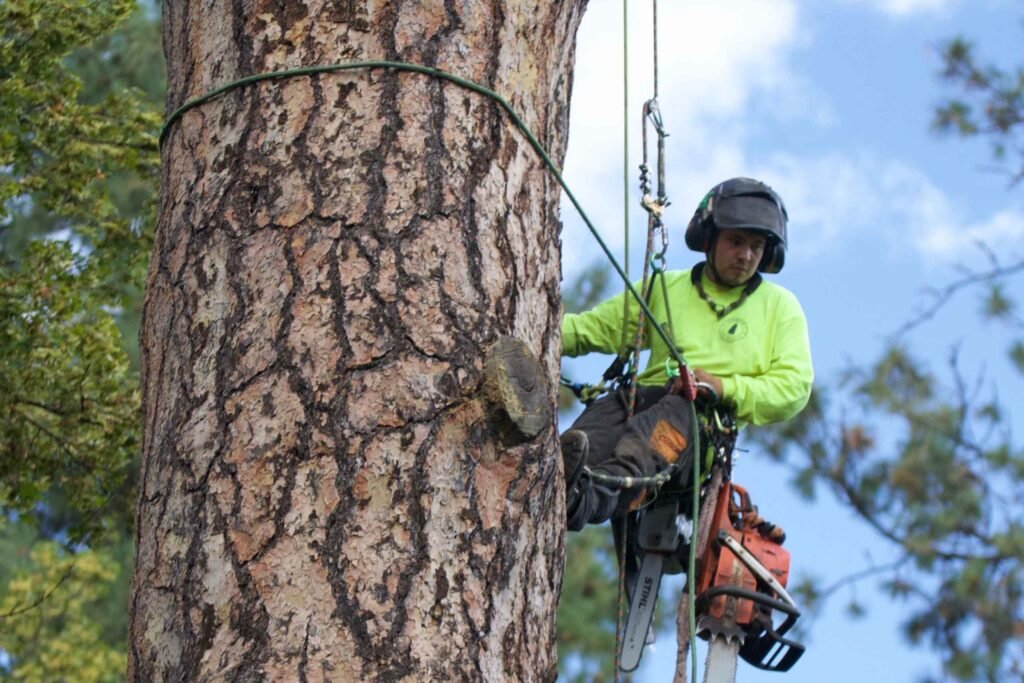
How many minutes do you really have when a tree is splitting in the middle of a storm in a narrow Manhattan street, and it is 40 feet in length? The emergencies with the trees in New York City and in Manhattan, in particular, do not develop gradually. They get out of control very quickly, even within a few seconds, due to high traffic jams, traffic parking, people, power cables, and crowd-filled buildings. There is a split trunk, a hanging branch, or an uprooted tree, not merely a landscaping problem; in this case, it is a crisis in public safety that requires an emergency tree service, close and quick. City life in Manhattan poses a highly differentiated threat. Trees planted on soil beds that are limited, along underground utilities, adjacent to old brownstones and under continuous pollution and construction vibration. Once something is wrong, it becomes wrong in a very visible and audible way. Knowledge of what can be considered a tree emergency, how same-day response actually functions in Manhattan, and what can be expected by the homeowner, property managers, and business owners can save thousands of dollars and, more importantly, prevent serious injury. Why Tree Emergencies Are More Dangerous in Manhattan Than Anywhere Else In suburban settings, the emergencies of the trees are frequently enclosed in the backyards. It is the luxury that is not there in Manhattan. One collapsing tree will block a street, squash cars, destroy exteriors, snap utility tunnels, or even bring down power lines. The risk radius is far wider. Most of the emergency calls in Manhattan include situations like: Huge limbs over the sidewalks or cars. After heavy precipitation trees lean towards structures. Trees that were damaged by storms that got stuck in utility lines. Trees uprooted and sidewalks and gas lines. Broke trunks due to internal or high wind damage. Because Manhattan is a blocky, very busy street, there is no time to spare. A partially malfunctioning tree can cause a violation of the law, a lawsuit, or even an emergency shutdown. What Qualifies as a True Tree Emergency in Manhattan Not all ruined trees are an emergency but in Manhattan it is less and more about public exposure. An emergency involving the trees is a case where the immediate threat is on the people, property, or infrastructure. Examples include: A tree or branch actively falling or fallen. A tree that has bent at a right angle due to a storm or excavation. Split trunks which are structurally defective. Trees against buildings, scaffold, or fire escapes. Limbs lying on power or communicational lines. What most property owners are not aware is the fact that a tree can become an emergency without any notice of what has occurred to it internally. Trees can appear to be healthy externally, but become diseased internally through fungal rot, girdling roots or affected soil structure- which is usual in the compacted urban soil in Manhattan. Same-Day Emergency Tree Response: What Actually Happens At the same time when you request same-day emergency tree service in Manhattan, you will be having a totally different response as compared to ordinary tree works. Speed is important, and coordination is important. The usual process starts with an instant on-site risk assessment. Certified arborists assess: Head of lean or failure. Limbs or trunk load pressure. Accessibility to pedestrians, vehicles, and buildings. Exposure to power lines or underground power utilities. Still, in most of the cases of Manhattan, emergency teams have to collaborate with Con Edison, NYPD, or FDNY. This coordination is imperative where trees are caught up with live wires or they are obstructing access paths to emergencies. Contrary to normal tree removal, emergency response may need special rigging systems, crane or piece wise dismantling in order to take away the hazard safely without further damage. Why Manhattan Emergency Tree Work Requires Specialized Equipment Tree service in Manhattan is not a chain/jack-and-truck business. The city congestion requires superior equipment and skilled personnel. Commonly used equipment is: Truck mounted cranes used in vertical removals. Controlled limb lowering rigging systems with high capacity. Raisers that are being aired in narrow urban areas. Protective mats on the ground to protect the sidewalks. Some of the streets in Manhattan cannot be completely closed, and thus arborists have to cut down the trees at times through moving traffic or overcrowded footways. This is the point of high technicality and this is why the issue of experience and certification is of great importance in this field than any other. The Role of Weather in Manhattan Tree Emergencies The most common cause of emergency tree calls in Manhattan is the weather. Structural fall of the trees is caused by nor’easters, summer thunderstorms, heavy snows, and abrupt bursts of wind. Through high-rise building, wind tunnels occur and exert pressure differentially on the tree canopies. Rain is seen to soak already compacted soil, making root systems weak. Snow and ice place untold pressure on the limbs that were not intended to support its weight. One very important point that should not be overlooked: the majority of trees fail when the storm is already over but not at the moment. Delay collapses are typical and that is why, inspections of same-day after heavy weather are necessary. What Property Owners Are Legally Responsible For In Manhattan, responsibility for trees depends on ownership and location. Private property owners are generally liable for trees located on their land, even if branches extend over public sidewalks. If a hazardous tree or limb causes injury or damage and it can be shown that the owner failed to act on visible warning signs, liability can be severe. This includes: Cracks in the trunk Dead or hanging branches Noticeable lean or root upheaval How Emergency Tree Removal Differs From Regular Tree Removal Emergency tree removal prioritizes hazard mitigation, not aesthetics. The goal is to neutralize immediate danger as fast as possible. Key differences include: Work may begin without prior scheduling Crews may work after hours or overnight Partial removal may
Manhattan’s Sidewalk Trees vs. Private Property Trees: Care & Regulations
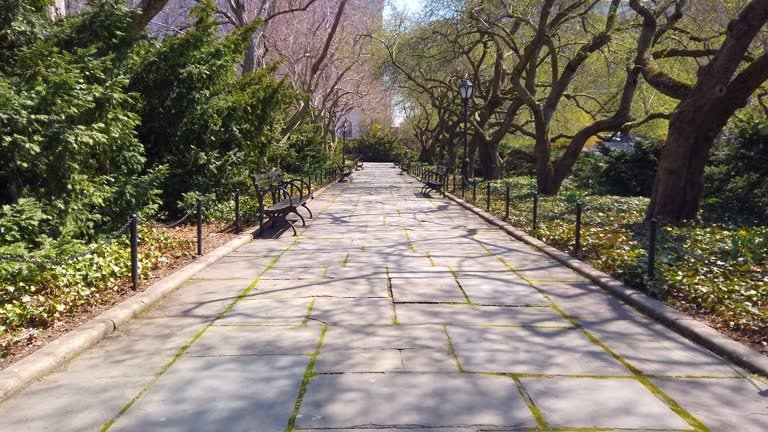
The Difference Between Public and Private Greenery Out on the sidewalks city owned trees face strict rules where you should not ignore them because penalties pile up fast. A backyard maple stands quiet and is cared for by its owner free from public oversight. Tall shade above a pavement crack belongs to everyone and is managed by the municipality. Meanwhile, roots spreading under a private fence demand attention only from those who own the land. One kind cools the block filtered through official care schedules while the other offers comfort without red tape. Damage to a curb side specimen brings inspectors knocking but harm to a garden elm stays between homeowner and arborist. Each trunk and each branch carries different responsibilities. Some are tied to law books while others are tied to personal choice. Safety slips when roles blur so clarity keeps branches intact and fines away. Jurisdiction Who Owns the Tree? Ownership sets things apart right away. When a tree grows in the strip between the curb and private land that tree answers to NYC Parks no matter what happens. Think of them like benches or lampposts which are city property through and through. It makes no difference if you asked for it or if its trunk stands close to your door. The City holds the claim always. A single tree sitting on land marked by fences belongs just to one person who gets to decide what happens next. Yet every choice about care comes with personal expense. When branches need trimming or roots are acting up or bark is peeling too much it is their call and their bill. Freedom here tastes different since quiet control is paired with full financial weight for the owner. Care and Maintenance Responsibilities Who takes care depends on where the tree sits, whether it is the city or the resident. When it comes to Manhattan’s sidewalk greenery, big trimming jobs belong to NYC Parks via their rotating Block Pruning effort. Dead or risky trees get pulled down by the city with no charge to the house nearby. Small tasks usually fall to people living close by. Watering new trees matters, so try a bucket weekly when hot and clearing litter or pet mess from around the base is part of that job too. A single tree in someone’s yard means they are responsible for its care. Hiring an expert becomes necessary because the city will not handle trimming near your home. When branches come down without warning, problems follo,w especially where space runs short. A neglected plant might break loose, hitting another person’s window or cracking pavement meant for foot traffic. The Permit Maze Pruning and Removal People often think they can tend to a sidewalk tree on their own. Yet doing anything to a city tree in New York breaks the law unless you have a proper permit. Trimming branches or adding plant food, or putting up seasonal decorations, all need approval first. Should someone wish for earlier trimming than what the city plans, only a licensed tree expert with park department authorization may carry out the task. When a street tree needs to go, rules are tight, and it is only permitted if it is already dead or clearly failing, or is dangerous right now. Chopping down or harming a city-owned tree without permission might lead to penalties up to fifteen thousand dollars, sometimes including days behind bars. Most of the time, private trees give you freedom. Still, Manhattan treats some zones differently, especially where protections apply. Living in a Historic District or having landmark status means that changing or cutting down a tree might require permission. The Landmarks Preservation Commission could be involved even on your own land. Handling Broken Sidewalks When tree roots grow under a sidewalk in Manhattan, trouble usually follows. Long ago, anyone who owned nearby land had to fix cracked pavement even if roots did it. Now things shift slightly for small homes. If you live in a house with up to three families, the city steps in. Damage that is serious gets handled at no cost. Street trees causing deep shifts are covered by the Trees and Sidewalks Program. Help arrives without charge when roots twist concrete beyond normal wear. Buildings used for business, along with big homes like co-ops and condos, cannot get this no-cost fix. Instead, they need to bring in a certified worker who knows local rules. A permit for tree work has to be secured before any changes happen near the walkway. Protection of roots matters just as much as fixing cracked concrete, so work must proceed only after approval arrives from the right department. Benefits and Urban Impact Right where sidewalks begin, street trees handle some tough jobs. Placed above concrete, they fight city heat better than backyard ones hidden behind fences. When storms hit, these roadside trees catch massive amounts of water each year, easing pressure on underground drains in busy areas like Manhattan. Off the main roads, privately owned trees give animals shelter and space to thrive beyond traffic sounds. Their quieter spots support different kinds of life you might not see downtown. These green spaces provide a necessary break from the steel and glass that define the city skyline. Both types of trees work together to make the urban environment more livable and breathable for everyone who calls this island home. Making the Right Choice for Your Plants Trees on public or private land need skilled tree care to survive New York City’s tough conditions. Handling big trees without trained support risks safety plus invites legal trouble. Knowing the rules helps safeguard your investment along with the well-being of city greenery. Every tree is an asset that requires professional oversight to remain healthy through the changing seasons. When trees feel overwhelming or your yard just needs a look going it solo might not be wise. Reach out to The Bronx Tree Pro for help that knows what it is doing. Dealing with city rules? They
What Certified Arborists Do That Regular Tree Services Don’t
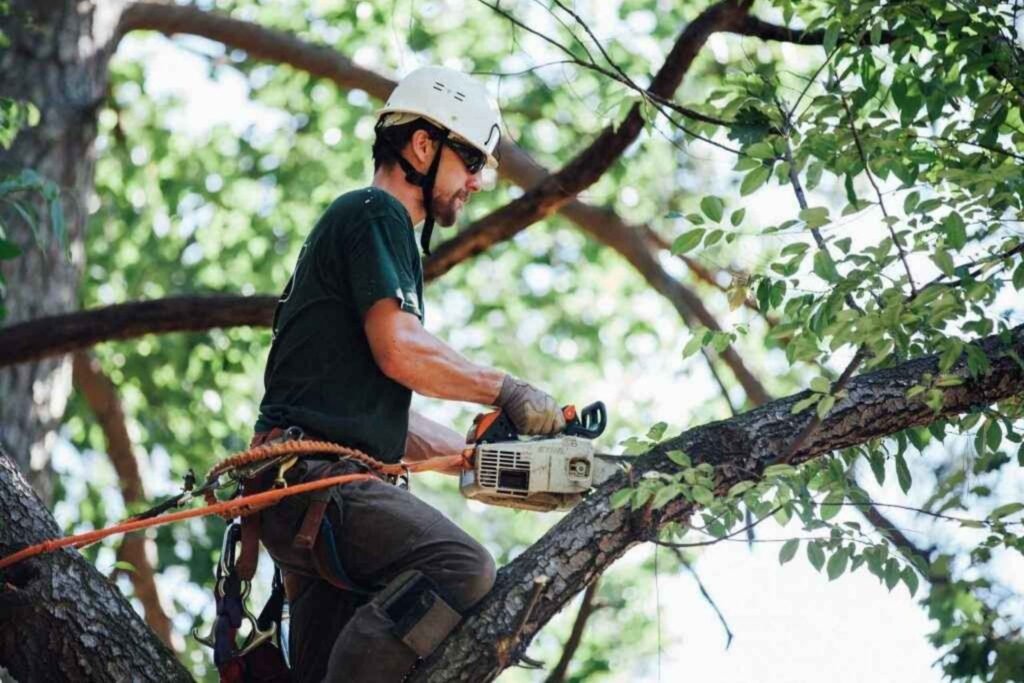
The Hidden Science Behind Your Landscape Trees often seem like something you just climb or cut when they get too big. Yet trimming branches is only one small piece of what happens above and below ground. People who carry certifications dive into roots, leaves, fungi, and even air flow between trunks. One well-known group that grants these titles studies how individuals handle real-world plant challenges. Years pass before someone earns it because knowledge piles up slowly like rings inside a trunk. A tree worker might spot a limb ready for removal, but an arborist views it as part of a breathing system needing careful attention. Growth patterns shift, and lifespan extends quietly when expertise leads the way. Moving Past Basic Cuts Noticing a branch might mean cutting it for typical tree workers. When someone indicates one-off, it goes. Yet trained arborists think deeper since each slice harms living tissue. Trees need to close those injuries themselves, so timing matters just as much as technique. Angles guide growth after removal, and knowing how plants respond helps them decide exactly where to act. Spikes used by others can damage sound trunks, where tiny punctures open doors for infection. Avoiding such tools becomes their habit when any save-the-tree intent exists. Bark stays safe because wounds invite trouble from wind or pests, while the inner flow of nutrients gets guarded closely. Diagnostic Skills and Disease Management What stands out about a trained arborist is spotting what is really wrong. To someone without training, tree troubles often appear very similar. Leaves turning yellow might point to low nitrogen levels, yet they may also signal root fungus. Where a typical tree crew could recommend cutting down a struggling tree, an expert may uncover methods to revive it using precise care. Spotting rot in wood or unwanted bugs comes naturally to them. Thanks to their background, tiny dangers show up long before most homeowners would notice, stopping infections from jumping to nearby greenery. This early detection preserves the health of your entire landscape. Soil Health and Root Zone Protection Beneath the surface is where a tree’s well-being begins, though most routine care overlooks what lies below. Root troubles often show up as trouble in the branches, and arborists know this link well. Testing dirt reveals its acidity alongside how rich it is in essential elements to shape conditions for better development. Compacted ground pressed down by constant walking blocks air from getting to the roots, so experts take steps to fix such hidden blockages. Few think about what lies beneath, yet an arborist works there using tools like air spades to open the soil. Roots get space to stretch when mulch goes deep, and strength starts below. Building Safety and Hazard Evaluation When big trees stand close to a house, safety becomes hard to ignore. A routine trim will not catch every problem, but arborists bring deeper knowledge. Inside the trunk, weakness hides where special gear detects empty areas before disaster strikes. Storms test strength most since unseen decay can turn a tall tree into a danger. Rather than removing limbs fast, some pros install support systems inside. Cables or braces hold weak joints together when the wind pushes hardest. When branches grow too thick, supports help hold them up so the tree remains upright even under strain. Pressure on roofs eases, and handling issues early means fewer trees need cutting down. Long-Term Planning and Species Selection A single visit often handles basic tree work, yet an arborist plans, thinking about how trees grow over the years. Because soil type and sunlight differ across yards, they guide which kind fits best where. Putting a tree where it does not belong tends to cause trouble down the road. Size when full-grown matters just like root space below ground, along with things like falling leaves or pollen that might bother someone nearby. They map out years ahead by feeding roots and shaping growth slowly. Because of this, planning costs drop later while your yard turns strong and full. Legal Knowledge and Environmental Compliance When it comes to looking after trees, rules exist that regular services may overlook. Cutting certain kinds is not allowed everywhere, and limits on how much shade cover disappears matter too. People trained in tree science know what is permitted nearby and guide you through the required paperwork. Wildlife matters as the timing of trimming avoids harm to bird nests under protection. Following proper standards means staying legal and avoiding penalties while acting with awareness. Doing things right protects nature while keeping property owners out of trouble through professional compliance. The Importance of Ethical Standards Not every tree worker carries the same responsibility. A trained arborist follows clear ethical rules shaped by ongoing learning that keep skills sharp. Staying current happens through regular training, so new findings and safer methods become part of daily work. Coverage details tend to be stronger, too, so protection for the homeowner stands firm should something go wrong. Choosing one means selecting a person dedicated years ago to both nature’s well-being and people’s security. This level of professional accountability ensures your property is managed by someone who values integrity and safety. Planning Ahead for Your Home What matters most is how much you care about your trees. These living parts of your land grow more valuable over time if looked after properly. A basic crew might tidy up fallen branches, but an arborist builds something lasting. Their knowledge keeps trees alive and not just present. With someone trained in how big plants live and grow, safety improves around your house. The area becomes better for neighbors, too. Investing in expert care today ensures your landscape remains a beautiful and safe asset for the future. Contact Our Expert Team Today Start with more than just mowing if you value your property’s green spaces. Skip the ordinary lawn teams who only trim without thinking. Reach out to The Bronx Tree Pro now and talk to people trained in how trees really grow.
How to Choose a Licensed and Insured Tree Service in NYC
Caring for trees in New York City is unlike tree work anywhere else. Out here, you are not just dealing with a branch; you are dealing with tight property lines, high voltage wires, busy sidewalks, and strict city regulations. In neighborhoods from the Upper West Side down to the Battery, the stakes are high. One wrong move with a chainsaw or a falling limb can lead to massive property damage or legal headaches. That is why picking a team is not just about who has the lowest price; it is about who has the right protection. Choosing a licensed and insured tree service is the only way to ensure your home stays safe and your pockets stay protected. Every decision you make during this process impacts the long-term stability of your property and the safety of everyone walking on the street below. Why Licensing Is Non-Negotiable in the Five Boroughs In a city as regulated as New York, a license is more than just a piece of paper. It is proof that a company is recognized by the city to perform specialized, dangerous work. When you hire a licensed tree service, you are hiring a team that understands local laws, including when and where you need a permit from the NYC Department of Parks and Recreation. Professional crews maintain these credentials to show they are serious about their craft and the community they serve. Many homeowners do not realize that if you are working on or even within 50 feet of a street tree, you must have a specific Tree Work Permit. Licensed professionals know these rules inside and out. Hiring someone without a license, like a guy with a truck and a saw puts the legal responsibility on you. If the city finds out that unpermitted work was done, you could be the one facing the fines. A license shows that the company is a legitimate business that answers to local authorities and follows industry safety standards. The Two Types of Insurance You Must Verify Insurance is your safety net. Tree work is statistically one of the most dangerous professions in the country. If a company tells you they are insured, you need to dig deeper and ask for proof of two specific types of coverage. This extra step prevents you from being held liable for accidents that occur on your land. General Liability Insurance protects your property. If a heavy oak limb crashes through your roof or crushes a neighbor’s fence, liability insurance covers the repairs. In NYC, a reputable company should carry at least 1 million in coverage. Without it, you might find yourself in a long, expensive court battle trying to get an unlicensed contractor to pay for damages they caused. It provides a level of financial security that every homeowner deserves. Workers’ Compensation is arguably even more important because it protects the people doing the work. If a climber gets injured on your property and the company does not have Workers’ Comp, the injured worker could actually sue you for their medical bills and lost wages. When you hire an insured team, the insurance company handles the risk, not the homeowner. Always ask for a Certificate of Insurance, and do not be afraid to call the carrier to make sure the policy is still active. Look for Certified Arborists A licensed company is good, but a company with ISA Certified Arborists is better. The International Society of Arboriculture sets the gold standard for tree care. A certified arborist has passed rigorous exams and stays updated on the latest biology and safety protocols. They do not just hack at a tree; they understand how to prune to promote health rather than just clearing space. In the concrete jungle of Manhattan, where trees are already stressed by pollution and limited soil, expert care makes the difference between a tree that lives for a century and one that becomes a hazard in five years. Spotting the Red Flags When you are getting estimates, keep an eye out for warning signs that a company might be cutting corners. Reliability often comes from visible professionalism and a commitment to safe practices. Be wary of people who show up after a storm, offering special deals, because quality companies are usually busy and do not need to go door to door. If they show up without helmets, eye protection, or heavy-duty rigging gear, they are not professionals. Professionals only use climbing spikes if they are removing a tree, since using them for pruning creates wounds that invite disease. If a price seems too good to be true, it is likely skipping the cost of insurance and high-quality equipment. The Cost of Cutting Corners It is tempting to save a few hundred dollars by hiring an unlicensed crew, but the savings vanish the moment something goes wrong. A single accident can cost tens of thousands of dollars in property damage or hundreds of thousands in personal injury claims. Beyond the money poor tree work can permanently disfigure or kill your trees, lowering your property value. In NYC, your trees are valuable assets that provide shade and beauty so they deserve professional-grade protection. Taking a risk on an uncertified team is never worth the potential fallout. Trust the Experts at Manhattan Tree Care Protecting your property starts with making the right choice before the first branch falls. At Manhattan Tree Care, we take the guesswork out of tree maintenance. We are fully licensed and carry comprehensive insurance specifically designed for the unique challenges of New York City tree work. Our team prioritizes safety, precision, and the long-term health of your landscape. We understand that your home is your most valuable investmen,t and we treat every tree with the utmost respect. Whether you need a dead tree gone with our professional Tree Removal service or you want to keep your canopy healthy with expert Tree Pruning, we have the skill and the credentials to get it done right. We also provide specialized Stump Grinding
Why Professional Tree Services Are Worth the Investment?

Did you read about the U.S. Forest Service that explains proper maintenance of trees can actually increase property values by 20 percent? Trees are not just witnessing our lives; trees are breathing investments, which determine the curb appearance, air quality, and long-term safety. Nevertheless, the owners of homes fail to care for them properly and even trim them by themselves or neglect the trees and leave them without even taking any care of them until they cause certain concerns. The proper understanding of why professional tree services are important will help you save your property. The Real Value of Healthy Trees A growing tree is not only pleasant to the eye, but it is a valuable resource, which is both useful to your environment and adds value to your house. However, the strongest oak will be a liability without the right trimming of trees, pruning, and monitoring of disease. The professional arborists also know how to balance growth and removal of the weak branches without affecting the health of the tree. Qualified experts apply arboricultural standards to determine that each cut helps in healthy re-growth and stability of structures. Safety Should Never Be an Afterthought Maintenance of trees seems to be simple, but it involves various high-risk tasks such as climbing tall canopies, using chainsaws, and working near power lines. The work in trees is considered one of the most dangerous jobs in the United States, according to the Bureau of Labor Statistics. That is why it is not only a convenience but also a safety issue that professional tree removal or trimming experts must be hired. Certified arborists wear protective equipment, such as protective gear, rigging systems, and highly technical equipment, such as aerial lifts or cranes, to safely reach branches that are hard to reach. Long-Term Cost Savings There are a considerable number of homeowners who neglect expert assistance, thinking that they can save money. Nevertheless, neglected trees can cause costly repairs in the future: roof damage caused by falling branches, or the need to remove a tree at high cost and in an emergency. The effect of regular maintenance of trees on these problems is that they are prevented at an early stage, before the problems become severe. Expertise in Tree Diagnosis and Health The trees do not have any idea of their health that whether they are sick or not, but certified arborists do know. This is because their education in plant pathology and soil science enables them to diagnose such issues as nutrient deficiencies, root rot, or pest infestations with accuracy. As an example, oak wilt, emerald ash borer, or fungal infections at their initial stage of detection can mean the difference between saving or killing off an entire tree. The tree service companies employ professional machines such as resistographs to estimate the level of internal decay and soil probes to estimate the level of nutrient balance. Protecting Property and Its Infrastructure Roots do not respect boundaries. Over time, they can be used to uplift sidewalks, break through sewer mains, or foundations. Meanwhile, the presence of big trees can also pose a threat to power lines or block the visibility of the drivers. The professional tree pruning services ensure that the areas under clearance are not hazardous and the natural appearance of every single tree is not changed. The professionals are familiar with the root architecture and possess fine techniques like air spading to loosen the tight soil without destroying the roots. Environmental and Aesthetic Benefits Trees are not only a natural air filter that will absorb all the pollutants and will release oxygen into your backyard, but they will also be a decorative piece at your place. Arbor Day Foundation ascertains that 1 mature tree has the capacity to absorb up to 48 pounds of carbon dioxide in a year. Arborists certified in this respect are tactical when it comes to pruning in such a way that will help boost sunlight penetration and airflow, which will create a healthy microclimate around your house. Advanced Techniques and Tools Professionals have the latest equipment, such as aerial lifts, stump grinders as well as diagnostic scanners to make sure they can do their work efficiently and safely. They use a rope and pulley system to drop heavy branches down the line without necessarily damaging property. Additionally, they are accredited in ANSI A300 pruning and have been accredited in the ISA qualified procedures, and therefore, all their activities are environmentally best practices. They can also get bio-friendly treatment at hand, which can limit the exposure to chemicals that may damage your soil, pets, and other plants in the environment. Storm Preparation and Emergency Response When the weather changes, healthy trees are left overnight, and this makes them turn into a great hazard. The common occurrences are wind, lightning, and rain, which cause the breaking of the branches or even trees. The services offered by storm damage professionals include pre-storm inspections and preventive pruning to strengthen against weak limbs. The emergency workers will be available 24/7 to handle the fallen trees, the debris, as well as assess the risks that may be exposed to your property. Boosting the Appeal of Property and Market Value The environment can dramatically influence the attitude of potential buyers to your house due to proper maintenance. This is because overgrown trees are a sign of negligence, whereas professionally and sophisticated trees are well cut. Professional tree trimming and shaping enhance the symmetry, lighting, and complement your building’s architecture. The services of tree professionals should be invested in today due to the high returns when the time to sell arises. Conclusion Trees are not only ornaments; trees are living investments, and they need to be given special treatment. The hiring of certified personnel will make sure that your trees are healthy, your property is safe, and your landscape is flourishing season after season. Professional tree services, whether it is expert pruning and disease control, or storm preparations and safe removals, are way beyond the
Is It Safe to Cut Down a Tree Without a Professional?

Is It Safe to Cut Down a Tree Without a Professional? Introduction: Cutting down a tree could look like a simple plan at first seen, select up a chainsaw, make a cut close to the ground and the tree falls to the ground. But in reality, it’s not as easy as it looks. Every tree has its own height, weight and basic difficulty and if it’s cut in the wrong way, it can fall in an unexpected direction, causing major damage to life and property. Many people imagine that if they have some important gardening knowledge, they can manage tree cutting just the same. Still, this is a serious misunderstanding. Cutting a tree safely is not just about making the right tool, it requires being aware how to use that tool properly, following safety protections and holding a professional understanding of the environment. Nowadays, many people, shaped by the DIY (Do It Yourself) culture, try to do everything with their own hands, even if it’s building furniture or cutting down a tree. But tree cutting is one of those plans where there is a very little mistake, if something goes wrong, the results can be not only property damage but also a life loss problem. That’s why the question becomes very important: Is it safe to cut down a tree without a professional? In this content, we will drop complete light on this topic and research if this plan should be done independently or not and if it must be done, what protections are surely important. Tree Cutting Process: Cutting down a tree is a process that needs more than physical strength, it needs technical decision, careful planning and the proper tools. Many people think that if a tree has grown up large or old it should simply be cut, but it is important first to review the tree’s condition, the direction in which it angles and the conditions. Every tree develops in its own way, with a special form and level of durability, some are empty inside, while others are very heavy and solid. If someone starts cutting without making these estimates, the tree can fall in any direction and create serious accidents. That’s why managing a complete review and identifying correct cutting points is important before starting the job. The correct cutting method starts by cleansing the area under and around the tree. A mark cut is then made on the side where you want the tree to fall, observed by a behind cut on the different side that slowly weakens the chest till the tree finally drops. Every part of this process has to be fulfilled with the right angle, deepness and timing. If even one step is done incorrectly, the tree may fall the wrong way or the stump may catch back climbing, equally very dangerous results. Then, cutting a tree is not just about managing a tool; it is a fully technical system that calls for planning, skill and experience. Risks of Cutting Down a Tree Without a Professional: When someone tries to cut down a tree without excerpts help, the biggest risk is to human life. A large and heavy tree, if it falls in the wrong direction, can land on someone and put their life in danger. Every year, over the world, tree cutting accidents hurt people or lose their lives or suffer serious injuries, such as broken bones, head trauma or permanent handicaps. This commonly happens because common people do not know the correct cutting angles, do not use proper safety tools and are unplanned for unexpected situations. Just one wrong cut or a small mistake can result in a serious accident. In addition, there’s also a serious risk of property damage. If a tree falls on a house, car or electric wires, the financial loss can be in the thousands. Most people can not correctly judge which side of the tree holds more weight or at what angle it will fall. When someone without knowledge uses a chainsaw, it’s common for it to slip or get out of control, which can be very dangerous not just for the person cutting, but also for anyone nearby. Also, if the tree falls on public property or a neighbor’s garden, it can cause legal problems as well. All of these risks prove that cutting down a tree without a professional is not only dangerous for the human, but also a serious danger to others. Conclusion: In the end, if we understand everything we have discussed, it becomes clear that cutting down a tree without experts’ help is not only dangerous, but in many cases, it can be life forbidding. Even if you have a chainsaw, some knowledge or the courage to try, tree cutting is not just about working a tool, it’s an expert and planned process that requires safety awareness, planning and a detailed understanding of the environment. Every tree is different: some are holes from the inside, others slant in positive directions and many stand near electric lines or buildings. In such situations, a single mistake can cost more than property, it can also hurt lives. In today’s world, where skilled tree removal services are easily available and provided not only with knowledge but also with new safety tools, protecting your safety or the safety of others is simply a smart choice. If the tree is small and stands in an open space, then maybe, with severe care, it can be discussed. But if the tree is large or situated in a sensitive area, searching experts’ help is the smartest and safest option. Life has no replacement and saving a little money is never important, invest your own or others’ lives at risk. Always remember: Safety first, every time.