
Is It Safe to Cut Down a Tree Without a Professional?

Is It Safe to Cut Down a Tree Without a Professional? Introduction: Cutting down a tree could look like a simple plan at first seen, select up a chainsaw, make a cut close to the ground and the tree falls to the ground. But in reality, it’s not as easy as it looks. Every tree has its own height, weight and basic difficulty and if it’s cut in the wrong way, it can fall in an unexpected direction, causing major damage to life and property. Many people imagine that if they have some important gardening knowledge, they can manage tree cutting just the same. Still, this is a serious misunderstanding. Cutting a tree safely is not just about making the right tool, it requires being aware how to use that tool properly, following safety protections and holding a professional understanding of the environment. Nowadays, many people, shaped by the DIY (Do It Yourself) culture, try to do everything with their own hands, even if it’s building furniture or cutting down a tree. But tree cutting is one of those plans where there is a very little mistake, if something goes wrong, the results can be not only property damage but also a life loss problem. That’s why the question becomes very important: Is it safe to cut down a tree without a professional? In this content, we will drop complete light on this topic and research if this plan should be done independently or not and if it must be done, what protections are surely important. Tree Cutting Process: Cutting down a tree is a process that needs more than physical strength, it needs technical decision, careful planning and the proper tools. Many people think that if a tree has grown up large or old it should simply be cut, but it is important first to review the tree’s condition, the direction in which it angles and the conditions. Every tree develops in its own way, with a special form and level of durability, some are empty inside, while others are very heavy and solid. If someone starts cutting without making these estimates, the tree can fall in any direction and create serious accidents. That’s why managing a complete review and identifying correct cutting points is important before starting the job. The correct cutting method starts by cleansing the area under and around the tree. A mark cut is then made on the side where you want the tree to fall, observed by a behind cut on the different side that slowly weakens the chest till the tree finally drops. Every part of this process has to be fulfilled with the right angle, deepness and timing. If even one step is done incorrectly, the tree may fall the wrong way or the stump may catch back climbing, equally very dangerous results. Then, cutting a tree is not just about managing a tool; it is a fully technical system that calls for planning, skill and experience. Risks of Cutting Down a Tree Without a Professional: When someone tries to cut down a tree without excerpts help, the biggest risk is to human life. A large and heavy tree, if it falls in the wrong direction, can land on someone and put their life in danger. Every year, over the world, tree cutting accidents hurt people or lose their lives or suffer serious injuries, such as broken bones, head trauma or permanent handicaps. This commonly happens because common people do not know the correct cutting angles, do not use proper safety tools and are unplanned for unexpected situations. Just one wrong cut or a small mistake can result in a serious accident. In addition, there’s also a serious risk of property damage. If a tree falls on a house, car or electric wires, the financial loss can be in the thousands. Most people can not correctly judge which side of the tree holds more weight or at what angle it will fall. When someone without knowledge uses a chainsaw, it’s common for it to slip or get out of control, which can be very dangerous not just for the person cutting, but also for anyone nearby. Also, if the tree falls on public property or a neighbor’s garden, it can cause legal problems as well. All of these risks prove that cutting down a tree without a professional is not only dangerous for the human, but also a serious danger to others. Conclusion: In the end, if we understand everything we have discussed, it becomes clear that cutting down a tree without experts’ help is not only dangerous, but in many cases, it can be life forbidding. Even if you have a chainsaw, some knowledge or the courage to try, tree cutting is not just about working a tool, it’s an expert and planned process that requires safety awareness, planning and a detailed understanding of the environment. Every tree is different: some are holes from the inside, others slant in positive directions and many stand near electric lines or buildings. In such situations, a single mistake can cost more than property, it can also hurt lives. In today’s world, where skilled tree removal services are easily available and provided not only with knowledge but also with new safety tools, protecting your safety or the safety of others is simply a smart choice. If the tree is small and stands in an open space, then maybe, with severe care, it can be discussed. But if the tree is large or situated in a sensitive area, searching experts’ help is the smartest and safest option. Life has no replacement and saving a little money is never important, invest your own or others’ lives at risk. Always remember: Safety first, every time.
How to Remove Mesquite Trees
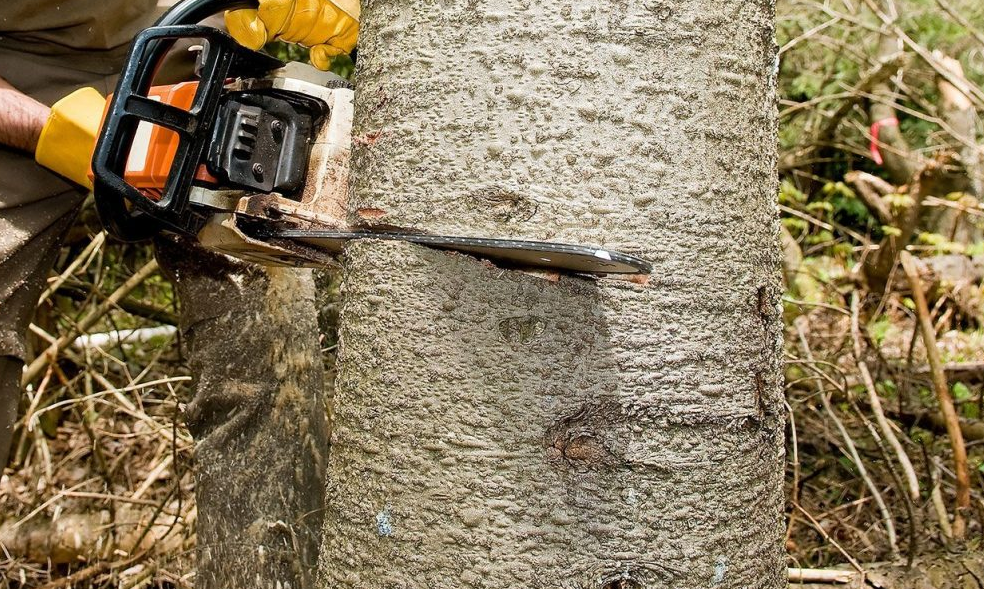
How to Remove Mesquite Trees Mesquite trees might look cool in the desert. But when they invade your land, they are a nightmare. Homeowners often struggle to remove this as these things are tough, thorny, and almost impossible to kill if you don’t know the right methods. If you are wondering how to remove mesquite trees, you are not alone. We have prepared a comprehensive guide that walks you through exactly how to remove mesquite trees—for good—using manual, chemical, and even natural techniques. So, whether you are clearing out a small backyard or an overgrown ranch, rest assured, you can deal with it all. What Makes Mesquite Trees So Hard to Kill? If you have tried cutting down a mesquite before, you already know the problem. It grows back. Every single time. That is because mesquite trees have a massive taproot system (can go 50 to 200 feet deep). Such trees even has the ability to regrow from the root or stump and can spread through seeds, suckers, and sprouts. So, cutting it once won’t stop it. You need to go deep, consistent, and use the right tools. Where Mesquite Trees Grow There are three main types of mesquite trees: Honey Mesquite (most common, aggressive spreader), Velvet Mesquite, and Screwbean Mesquite. All these trees are native to arid regions, but they are also invasive, especially on ranches, pastures, dryland farms and vacant lots. They compete with grass and steal water. Moreover, their thorns are brutal for livestock and humans. They are not just annoying—they’re a full-blown land management issue. When’s the Best Time to Remove Mesquite Trees? Timing matters. If you cut or spray them at the wrong time, they just bounce back. Late spring to early summer is the best season to prune trees. You can apply herbicide when trees are actively growing. Moreover, dry soil helps expose roots when digging. Avoid wet seasons, especially after seed pods have dropped, and don’t wait too long as young trees are easier to kill. Tools You’ll Need to Remove Mesquite Trees You can’t just show up with a shovel and expect results. Make sure you have these tools before you begin: Tool Use Case Notes Chainsaw Cutting large trees Must apply herbicide after Uprooter tool Removing saplings with root Works great for trees <1″ thick Pickaxe + shovel Exposing and digging out roots Labor intensive Backpack sprayer Applying herbicide Wear PPE for chemical safety Tordon or Remedy Ultra Chemical control Apply immediately after cutting Different Methods to Remove Mesquite Trees Method 1: Mechanical Removal This is the old-school, no-chemical, hands-on method. It works, but be warned, it is quite hard work. Procedure: Use a pickaxe or shovel to dig around the base of the tree. You might need to go several feet deep to expose the taproot. Cut the root as much as you can to prevent regrowth. Fill the hole and compact the soil. This method is great for small-scale infestations, organic gardeners and areas where herbicide isn’t allowed. But for ranch-sized problems, you will need more firepower. Method 2: Bulldozing and Land Clearing Got acres of mesquite? Manual digging won’t cut it, you will need heavy machinery like bulldozers, excavators, and skid steers with root grapples. These are used to: But this comes with downsides. You can face soil damage from compacting. Furthermore, you cannot prevent regrowth unless roots are removed completely. Your expenses can also run into thousands, as you will need to apply forfollow-up treatment if you opt for this method. Method 3: Cutting Mesquite Trees This is where most people go wrong. They think cutting the tree down solves the problem, but it doesn’t. Mesquite trees can sprout from stumps and grow back much faster than the original tree. Use a chainsaw or sawzall to cut below the basal flare and at an angle to prevent water pooling. Then, immediately apply herbicide to the fresh cut to prevent problems. Method 4: Herbicide – The Most Reliable Way to Kill Mesquite Trees Let’s get real. If you want long-term control, you will probably need to use a mesquite tree herbicide. Mesquite trees have a deep root syste,m so if you don’t treat the roots, the tree just comes back stronger. Best herbicides for mesquite trees: These are really effective as they kill the tree at the root and stop it from resprouting. You can find them at most farm supply stores or online. How to Apply Herbicide the Right Way? There are 3 main ways: 1. Cut Stump Treatment Perfect for: Mature trees you have just cut down Use a chainsaw to cut the tree as close to ground level as possible and apply herbicide on the stump within 5 minutes. Make sure it covers the entire area, especially the outer ring. If you wait too long to apply, it won’t work. 2. Basal Bark Treatment Perfect for: Small trees with thin bark (under 6 feet) you don’t want to cut. 3. Foliar Spray Perfect for: Saplings and small mesquite trees. Not for large trees. Mix the herbicide with water in a sprayer and apply directly to the leaves. Do this when the plant is actively growing from late spring through summer. Method 5: Natural or Organic Mesquite Tree Control This method works best in hot and dry climates. All you have to do is cut the tree down to a stump and cover the area with a black plastic sheet. Pin it down and leave it for 4–6 weeks in summer. The heat will “cook” the roots underneath. These can kill small roots or saplings when poured directly into the stump, but rarely kill the full root system. Plus, if you add too much salt it can ruin your soil. This is only best for tiny trees in small areas, not for ranch-sized problems Cut saplings down every time they appear. This will weaken the root system. Combine with replanting grass or ground cover to get the best results. Preventing Mesquite Tree Regrowth This is
How to Choose the Right Tree Service Company
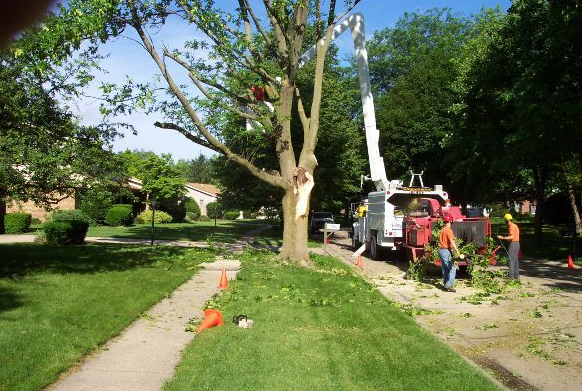
How to Choose the Right Tree Service Company Who doesn’t want premium tree care when it comes to the health of their green? Of course, everyone does. Proper tree care is essential to keep our trees thriving in the long run. If not ensured, they damage our surrounding vegetation. Professional tree services like pruning, trimming, and sturdy tree removals allow one to optimize the growth potential of their tree and make it healthier. But with so many companies, how can one choose a right company? This is what we are going to explore in this blog today. We will see how to choose the right company and what factors to consider and avoid to get the best results. So buckle up and get ready for an informative dive! The Unlimited Perks Reputable Tree Companies Provide for your greens What value do professionals bring to the table? Trees are the most precious assets of our properties. They provide shade, shelter and improve the air quality, thereby contributing positively to our environments. Moreover, well-maintained trees enhance the aesthetic appeal of our properties and increase the curb appeal. All of this makes it important to hire a certified and authentic company to nurture our trees properly. Without professional maintenance, one can face the following scenarios: Injuries or accidents caused by falling branches. Property damage can occur if trees are not pruned or removed correctly. Tree diseases that spread due to poor cutting practices. You can face legal liabilities if any workers get injured on your property or your tree harms your surrounding buildings. Overview of Services Offered by Tree Companies Companies offer a comprehensive suite of diverse tree care packages to maintain your trees. From keeping trees healthy to protecting your property, they ensure your trees remain valuable assets for a lifetime. Tree Removal Homeowners who have dead or diseased trees need to remove the trees as they pose a threat to their properties. Proper skills are required to remove a tree so no one is injured. The tree removal service includes stump grinding so your spaces remain usable. Tree Pruning and Trimming These cutting services help to restore the natural shape of your trees and groom them properly. Gets rid of branches so they do not interfere with power lines, buildings, or roads. Boost growth and increase resistance against disease. Stump Grinding/Removal Removes stumps, which may be a breeding ground for pests or fungi. Necessary to remove it, as one might trip and hurt themselves. Improves the aesthetic appeal of landscapes. Emergency Tree Services Companies are available 24/7 to get rid of storm-damaged trees, fallen trees, or trees that are dangerously leaning. These services ensure fast and quick solutions to minimize further damage. Safe removal of unstable branches and debris. All of these services combined with expert tree health evaluations to keep trees in good shape. Arborists first make a complete evaluation of the condition of your tree. Based on the assessment, they provide tailor-made solutions like fertilizing and soil quality analysis to increase the lifespan of your greens. How to Identify Red Flags in Tree Service Providers Not every company provided quality services. Some lack the proper experience and credentials to carry out tree work. Worry not, about such issues as we have compiled the most common red flags that help to evaluate the company’s credibility. These are: Licensing or insurance If the company lacks insurance then it means it is not credible and lacks authenticity. Check whether they have a license and have the permit to carry out tree care otherwise you can get in trouble with legal liabilities. Lack of Experience or Credentials Some companies advertise they have skilled arborists, but in actual they don’t. They tend to carry out improper pruning and trimming. Always choose a company that has certified professionals and a proven track record. Extremely Low Quotes: If a company offers prices that are lower than usual, then it’s quite fishy. They might have hired untrained workers or subpar equipment, so be aware of this fact. Negative Online Review Another red flag that shows how reputable a company is the online reviews. If a company has numerous complaints about the quality of services or delays, then you should not hire arborists from them. You can check out reviews of the specific company you wish to opt for on Google, Yelp, and Better Business Bureau (BBB). No Written Contract Transparency is always a must between clients and businesses when they foster collaboration. Without a written agreement, no trust is established. Companies can easily increase their budgets or even leave the job incomplete. Unlocking the Secret to Hiring the Perfect Tree Service Team 5. Compare Tree Services Hiring a company involves carefully comparing different tree service providers. You can request multiple quotes before selecting their services. Verify their credentials by confirming their certification and Tree Care Industry Association (TCIA) membership. Moreover, not all companies provide additional services for free. Check these services when you make a comparison: Severing and grinding stumps (some include this free with the tree removal). Cleanup of debris (some leave the mess behind). Removal of logs (some may charge extra for hauling away large logs). Tree health assessments (if you need an ISA-certified arborist’s evaluation). 6. Questions to Ask Before Hiring Before hiring a company, you can also ask a few questions. Understand that a reputable and authentic company would not hesitate to be transparent. Ask about; License and insurance References from previous customers that can vouch for them. Safety measures that they ensure; reliable companies follow OSHA safety guidelines. Provides detailed written estimates. Experience for a specific tree service. Inclusion of cleanup after tree work. 7. Pricing and Contracts A legitimate company should provide a detailed written estimate that includes: Labor and service charges – The charges for removing, trimming, or pruning trees. Equipment charges – Some jobs require cranes, bucket trucks, or special saws. Permit fees – Some cities require permits for tree removal. Clean-up and