When you see that old stump in your yard, do you think, “It’s harmless. Why not just leave it?” You might even think that a leftover tree stump has a rustic charm, but it begs a different question. Over time, that harmless-looking stump can become a quiet liability—inviting pests, diseases, and even ruin your property, not to mention the unsightliness of your lawn. For any homeowner who cares about their outdoor space, recognizing the risk of leaving a tree stump is vital.
1. Tree Stumps Invite Unwanted Pests
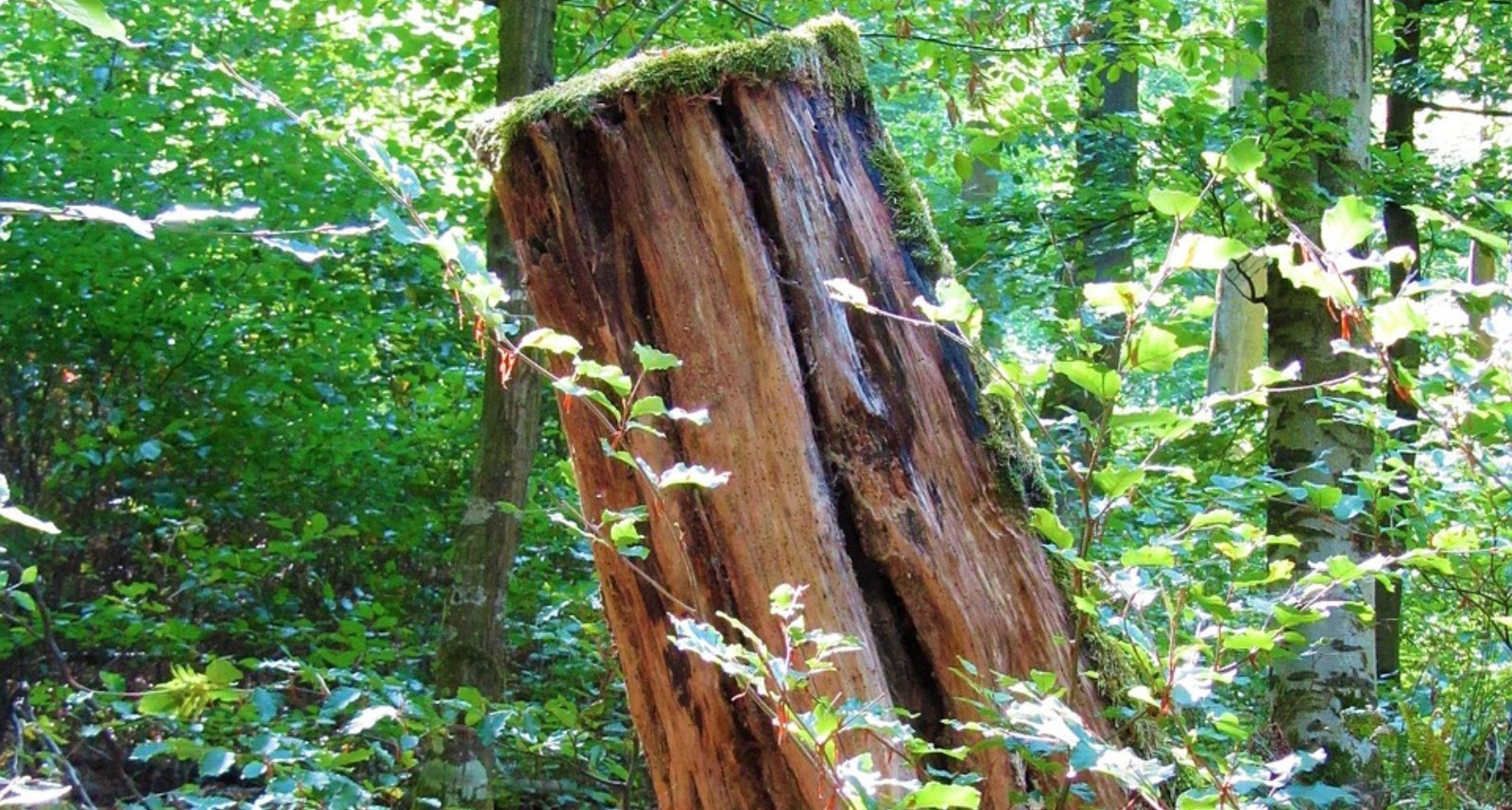
The biggest threat of an old tree stump is the pests that will come to inhabit it. When the stump starts to decay it becomes a perfect place for termites, carpenter ants, beetles and fungi to grow. These pests will swarm the decaying wood, grow their colonies and spread to adjacent healthy trees to cause damage and worse yet infest your wooden decks and the foundation of your house.
Termites more than any other pest can cause extensive and costly damage. Once they establish a feeding site they will tunnel into the soil and encase themselves so you can’t detect them while they get to your house.
2. Disease Can Spread to Healthy Trees
Left hot, dead, and decaying tree stumps can be an eyesore, but shouldn’t be. They can be sources of decaying and dead tree roots, tree diseases, and fungal spores. Armillaria root rot, honey fungus, and other tree diseases thrive and spread to other soil plants and to other nearby plants and shrubs. If you see and smell anything foul around your stumps, you have decaying organic matter and fungal rot. These can spread through the soil to other trees and decay them, too.
Once the roots and decaying trees are destroyed, the source of contamination can’t be removed. Then the infection can spread to the rest of your landscape.
3. Regrowth Can Become an Ongoing Nuisance
Even when a tree is removed, its roots can continue living, sometimes for a long time. Like energy left in a battery, roots may start new sprouts and shoots around the stump. This regrowth is unattractive and can disrupt your drainage and garden design. They are still very difficult to control, and will drain moisture and nutrients from the soil.
They stubbornly grow and compete for water and sunlight, slowing the growth of nearby flowers or grass. They can even lead to uneven ground, that can disrupt the flow of underground utilities. The only way to stop stubborn regrowth is to grind the stump to a sufficient depth to take out the roots system completely.
4. Stumps Are a Serious Safety Hazard
Beyond the potential for pests and diseases, an old stump poses a physical hazard for anyone walking or playing in your yard. Children running around and visitors who are not familiar with your yard can easily trip over the stump or its roots, which can result in serious injuries or potential liability if the injuries are severe enough.
When equipment is in use, a mower blade striking a stump can cause serious injury and costly repair to the equipment. Stumps are hazards that can easily be removed with the help of professionals and which, for the most part, are hidden and easily forgotten.
5. Stumps Can Lower Property Value
Nothing spells neglect more than an old, decaying tree stump, especially when it comes to curb appeal. It detracts from all the beauty your landscape possesses. For prospective buyers, it can mean poor maintenance or future costs. It is a well-known fact that properly cared for yards, especially when professionally landscaped, increase the value of a home.
The opposite is also true. Stumps and annoying patches of bare earth or dirt negatively impact value. Stump grinding or removal restores the appearance of your yard, and also improves the visual and market value of your property.
6. They Obstruct Future Landscaping Projects
When thinking about redesigning outdoor spaces, like adding a new patio, a flower bed, or maybe a walkway, remember that old stump will become a problem. Because of its root system’s depth, it might remain a problem so that digging or laying new foundations might need a reconfiguration or extra time spent excavating about it.
Also, a stump left in the soil will become a problem when it comes to drainage. Decaying roots will trap stagnant water, causing soil instability or wet patches. Removing a stump, especially early, will give you a blank slate and a clean hardscape or landscape project to work on to provide proper layout.
7. Hidden Roots Can Damage Pipes and Pavement
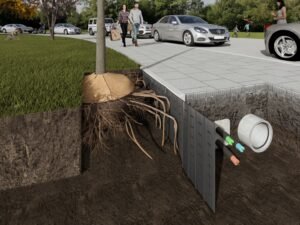
A tree’s above-ground structure may die but its underground roots continue to live and spread. These roots may contact and push against buried pipes, sidewalks, and driveways, causing them to crack or even block. This can result in expensive repairs over time on water or sewer lines.
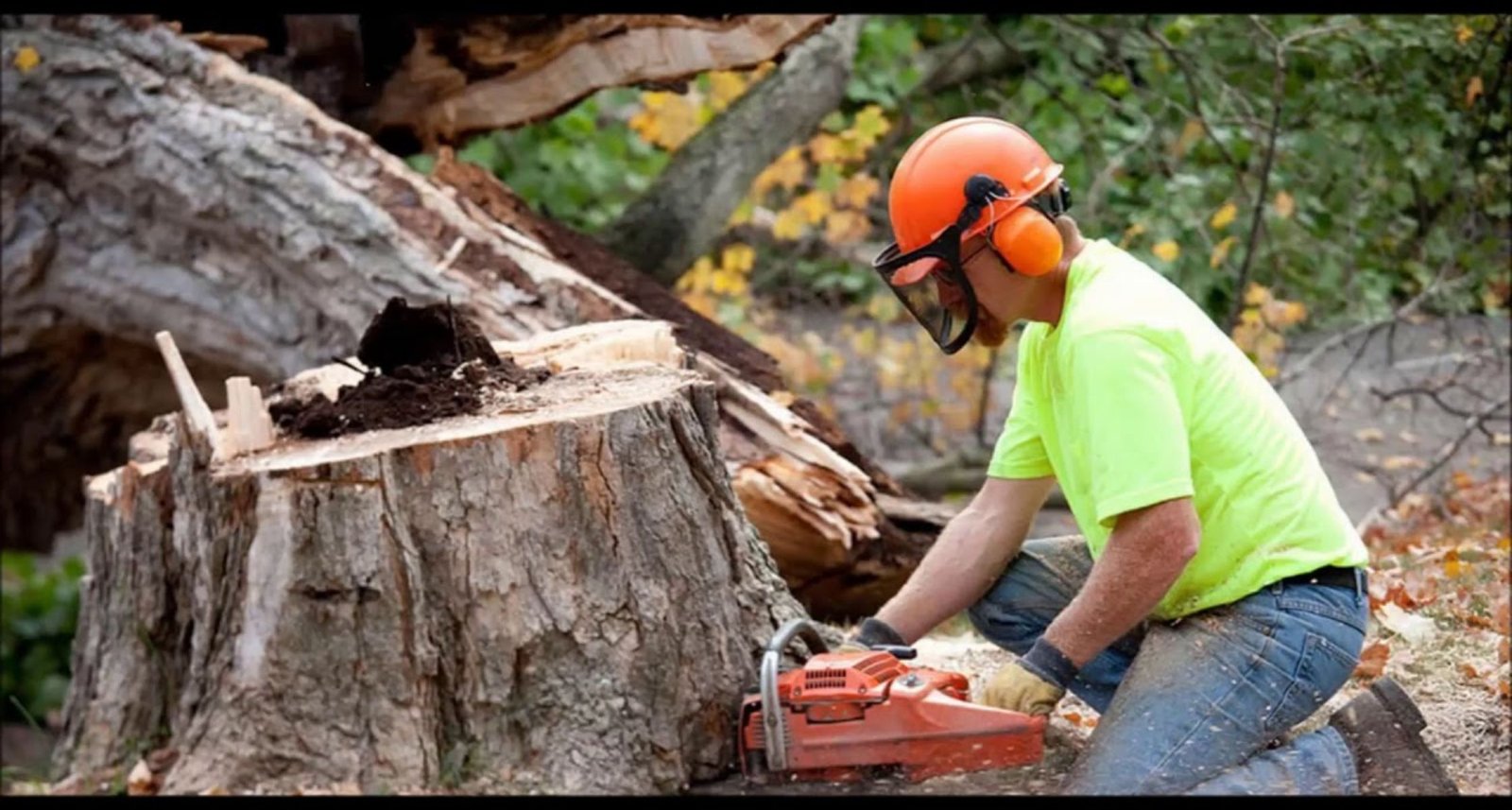
Ground sinking due to uneven decomposition of roots may lead to soft spots or grass dips in your yard. You may want to consider hiring a professional stump removal service. Not only will they take care of the visible stump but they will also ensure that the root ball system of the stump is dealt with, avoiding permanent soil problems or structural issues.
8. Stumps Encourage Weed Growth
Stumps and rotting roots can serve as a substrate for invasive weeds, and fungi will also join the party. There is an invasion of opportunistic weeds all over the lawn, and these invasive opportunists will make the upkeep of your lawn healthy even more challenging. Eliminating the stump will free the lawn for growth and even allow it to breathe healthy weed-free competition. For a clean and healthy lawn, this will be the simplest approach.
Conclusion
Leaving a tree stump in your yard may seem like a minor issue today, but it can bring major problems tomorrow—Pest infestations, root damage, safety hazards, and a lack of value to your property. Removing it professionally protects your home, improves the landscaping, and removes the worry of future maintenance. Turn to the experts at Mt Vernon Tree Pruning Removal Crop for dependable, efficient, and safe tree stump removal. As your local professionals, we are committed to preserving the health and beauty of your property