Manhattan’s Sidewalk Trees vs. Private Property Trees: Care & Regulations
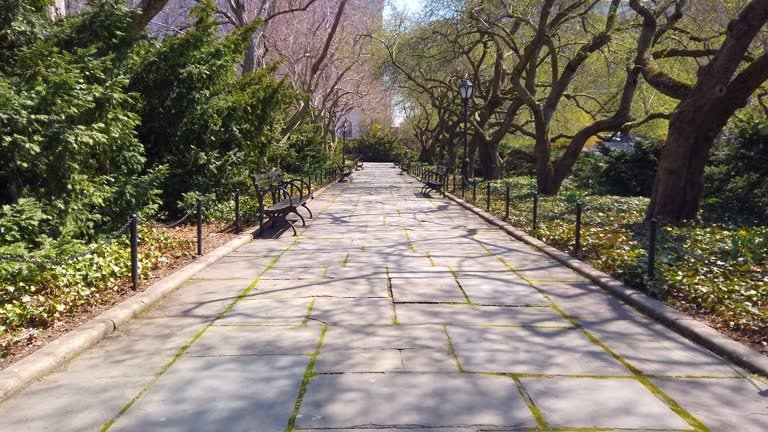
The Difference Between Public and Private Greenery Out on the sidewalks city owned trees face strict rules where you should not ignore them because penalties pile up fast. A backyard maple stands quiet and is cared for by its owner free from public oversight. Tall shade above a pavement crack belongs to everyone and is managed by the municipality. Meanwhile, roots spreading under a private fence demand attention only from those who own the land. One kind cools the block filtered through official care schedules while the other offers comfort without red tape. Damage to a curb side specimen brings inspectors knocking but harm to a garden elm stays between homeowner and arborist. Each trunk and each branch carries different responsibilities. Some are tied to law books while others are tied to personal choice. Safety slips when roles blur so clarity keeps branches intact and fines away. Jurisdiction Who Owns the Tree? Ownership sets things apart right away. When a tree grows in the strip between the curb and private land that tree answers to NYC Parks no matter what happens. Think of them like benches or lampposts which are city property through and through. It makes no difference if you asked for it or if its trunk stands close to your door. The City holds the claim always. A single tree sitting on land marked by fences belongs just to one person who gets to decide what happens next. Yet every choice about care comes with personal expense. When branches need trimming or roots are acting up or bark is peeling too much it is their call and their bill. Freedom here tastes different since quiet control is paired with full financial weight for the owner. Care and Maintenance Responsibilities Who takes care depends on where the tree sits, whether it is the city or the resident. When it comes to Manhattan’s sidewalk greenery, big trimming jobs belong to NYC Parks via their rotating Block Pruning effort. Dead or risky trees get pulled down by the city with no charge to the house nearby. Small tasks usually fall to people living close by. Watering new trees matters, so try a bucket weekly when hot and clearing litter or pet mess from around the base is part of that job too. A single tree in someone’s yard means they are responsible for its care. Hiring an expert becomes necessary because the city will not handle trimming near your home. When branches come down without warning, problems follo,w especially where space runs short. A neglected plant might break loose, hitting another person’s window or cracking pavement meant for foot traffic. The Permit Maze Pruning and Removal People often think they can tend to a sidewalk tree on their own. Yet doing anything to a city tree in New York breaks the law unless you have a proper permit. Trimming branches or adding plant food, or putting up seasonal decorations, all need approval first. Should someone wish for earlier trimming than what the city plans, only a licensed tree expert with park department authorization may carry out the task. When a street tree needs to go, rules are tight, and it is only permitted if it is already dead or clearly failing, or is dangerous right now. Chopping down or harming a city-owned tree without permission might lead to penalties up to fifteen thousand dollars, sometimes including days behind bars. Most of the time, private trees give you freedom. Still, Manhattan treats some zones differently, especially where protections apply. Living in a Historic District or having landmark status means that changing or cutting down a tree might require permission. The Landmarks Preservation Commission could be involved even on your own land. Handling Broken Sidewalks When tree roots grow under a sidewalk in Manhattan, trouble usually follows. Long ago, anyone who owned nearby land had to fix cracked pavement even if roots did it. Now things shift slightly for small homes. If you live in a house with up to three families, the city steps in. Damage that is serious gets handled at no cost. Street trees causing deep shifts are covered by the Trees and Sidewalks Program. Help arrives without charge when roots twist concrete beyond normal wear. Buildings used for business, along with big homes like co-ops and condos, cannot get this no-cost fix. Instead, they need to bring in a certified worker who knows local rules. A permit for tree work has to be secured before any changes happen near the walkway. Protection of roots matters just as much as fixing cracked concrete, so work must proceed only after approval arrives from the right department. Benefits and Urban Impact Right where sidewalks begin, street trees handle some tough jobs. Placed above concrete, they fight city heat better than backyard ones hidden behind fences. When storms hit, these roadside trees catch massive amounts of water each year, easing pressure on underground drains in busy areas like Manhattan. Off the main roads, privately owned trees give animals shelter and space to thrive beyond traffic sounds. Their quieter spots support different kinds of life you might not see downtown. These green spaces provide a necessary break from the steel and glass that define the city skyline. Both types of trees work together to make the urban environment more livable and breathable for everyone who calls this island home. Making the Right Choice for Your Plants Trees on public or private land need skilled tree care to survive New York City’s tough conditions. Handling big trees without trained support risks safety plus invites legal trouble. Knowing the rules helps safeguard your investment along with the well-being of city greenery. Every tree is an asset that requires professional oversight to remain healthy through the changing seasons. When trees feel overwhelming or your yard just needs a look going it solo might not be wise. Reach out to The Bronx Tree Pro for help that knows what it is doing. Dealing with city rules? They
What Certified Arborists Do That Regular Tree Services Don’t
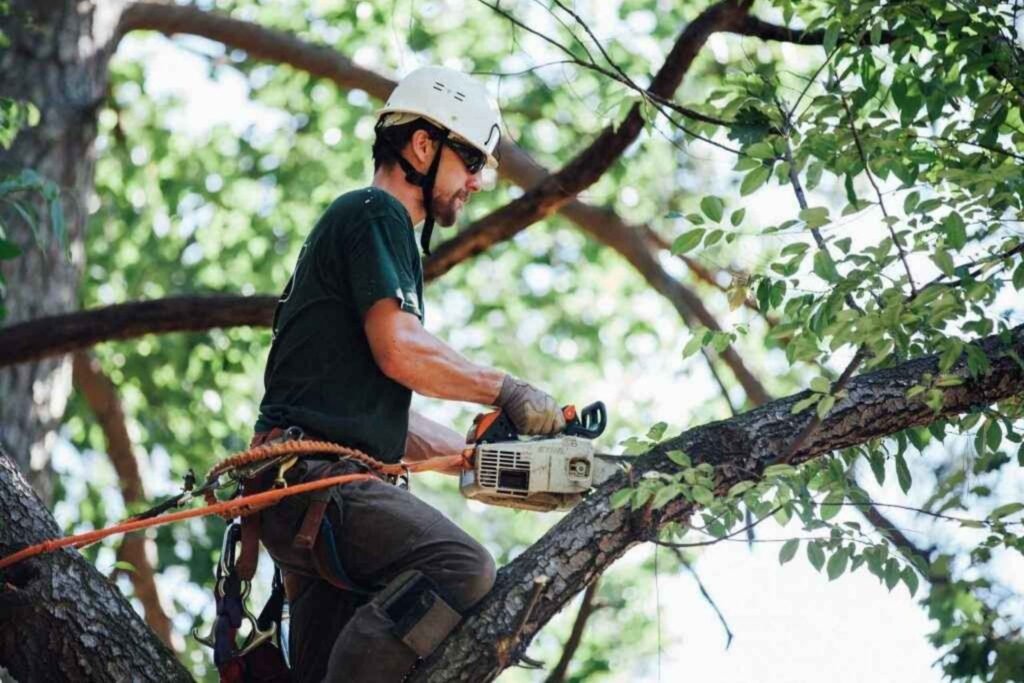
The Hidden Science Behind Your Landscape Trees often seem like something you just climb or cut when they get too big. Yet trimming branches is only one small piece of what happens above and below ground. People who carry certifications dive into roots, leaves, fungi, and even air flow between trunks. One well-known group that grants these titles studies how individuals handle real-world plant challenges. Years pass before someone earns it because knowledge piles up slowly like rings inside a trunk. A tree worker might spot a limb ready for removal, but an arborist views it as part of a breathing system needing careful attention. Growth patterns shift, and lifespan extends quietly when expertise leads the way. Moving Past Basic Cuts Noticing a branch might mean cutting it for typical tree workers. When someone indicates one-off, it goes. Yet trained arborists think deeper since each slice harms living tissue. Trees need to close those injuries themselves, so timing matters just as much as technique. Angles guide growth after removal, and knowing how plants respond helps them decide exactly where to act. Spikes used by others can damage sound trunks, where tiny punctures open doors for infection. Avoiding such tools becomes their habit when any save-the-tree intent exists. Bark stays safe because wounds invite trouble from wind or pests, while the inner flow of nutrients gets guarded closely. Diagnostic Skills and Disease Management What stands out about a trained arborist is spotting what is really wrong. To someone without training, tree troubles often appear very similar. Leaves turning yellow might point to low nitrogen levels, yet they may also signal root fungus. Where a typical tree crew could recommend cutting down a struggling tree, an expert may uncover methods to revive it using precise care. Spotting rot in wood or unwanted bugs comes naturally to them. Thanks to their background, tiny dangers show up long before most homeowners would notice, stopping infections from jumping to nearby greenery. This early detection preserves the health of your entire landscape. Soil Health and Root Zone Protection Beneath the surface is where a tree’s well-being begins, though most routine care overlooks what lies below. Root troubles often show up as trouble in the branches, and arborists know this link well. Testing dirt reveals its acidity alongside how rich it is in essential elements to shape conditions for better development. Compacted ground pressed down by constant walking blocks air from getting to the roots, so experts take steps to fix such hidden blockages. Few think about what lies beneath, yet an arborist works there using tools like air spades to open the soil. Roots get space to stretch when mulch goes deep, and strength starts below. Building Safety and Hazard Evaluation When big trees stand close to a house, safety becomes hard to ignore. A routine trim will not catch every problem, but arborists bring deeper knowledge. Inside the trunk, weakness hides where special gear detects empty areas before disaster strikes. Storms test strength most since unseen decay can turn a tall tree into a danger. Rather than removing limbs fast, some pros install support systems inside. Cables or braces hold weak joints together when the wind pushes hardest. When branches grow too thick, supports help hold them up so the tree remains upright even under strain. Pressure on roofs eases, and handling issues early means fewer trees need cutting down. Long-Term Planning and Species Selection A single visit often handles basic tree work, yet an arborist plans, thinking about how trees grow over the years. Because soil type and sunlight differ across yards, they guide which kind fits best where. Putting a tree where it does not belong tends to cause trouble down the road. Size when full-grown matters just like root space below ground, along with things like falling leaves or pollen that might bother someone nearby. They map out years ahead by feeding roots and shaping growth slowly. Because of this, planning costs drop later while your yard turns strong and full. Legal Knowledge and Environmental Compliance When it comes to looking after trees, rules exist that regular services may overlook. Cutting certain kinds is not allowed everywhere, and limits on how much shade cover disappears matter too. People trained in tree science know what is permitted nearby and guide you through the required paperwork. Wildlife matters as the timing of trimming avoids harm to bird nests under protection. Following proper standards means staying legal and avoiding penalties while acting with awareness. Doing things right protects nature while keeping property owners out of trouble through professional compliance. The Importance of Ethical Standards Not every tree worker carries the same responsibility. A trained arborist follows clear ethical rules shaped by ongoing learning that keep skills sharp. Staying current happens through regular training, so new findings and safer methods become part of daily work. Coverage details tend to be stronger, too, so protection for the homeowner stands firm should something go wrong. Choosing one means selecting a person dedicated years ago to both nature’s well-being and people’s security. This level of professional accountability ensures your property is managed by someone who values integrity and safety. Planning Ahead for Your Home What matters most is how much you care about your trees. These living parts of your land grow more valuable over time if looked after properly. A basic crew might tidy up fallen branches, but an arborist builds something lasting. Their knowledge keeps trees alive and not just present. With someone trained in how big plants live and grow, safety improves around your house. The area becomes better for neighbors, too. Investing in expert care today ensures your landscape remains a beautiful and safe asset for the future. Contact Our Expert Team Today Start with more than just mowing if you value your property’s green spaces. Skip the ordinary lawn teams who only trim without thinking. Reach out to The Bronx Tree Pro now and talk to people trained in how trees really grow.